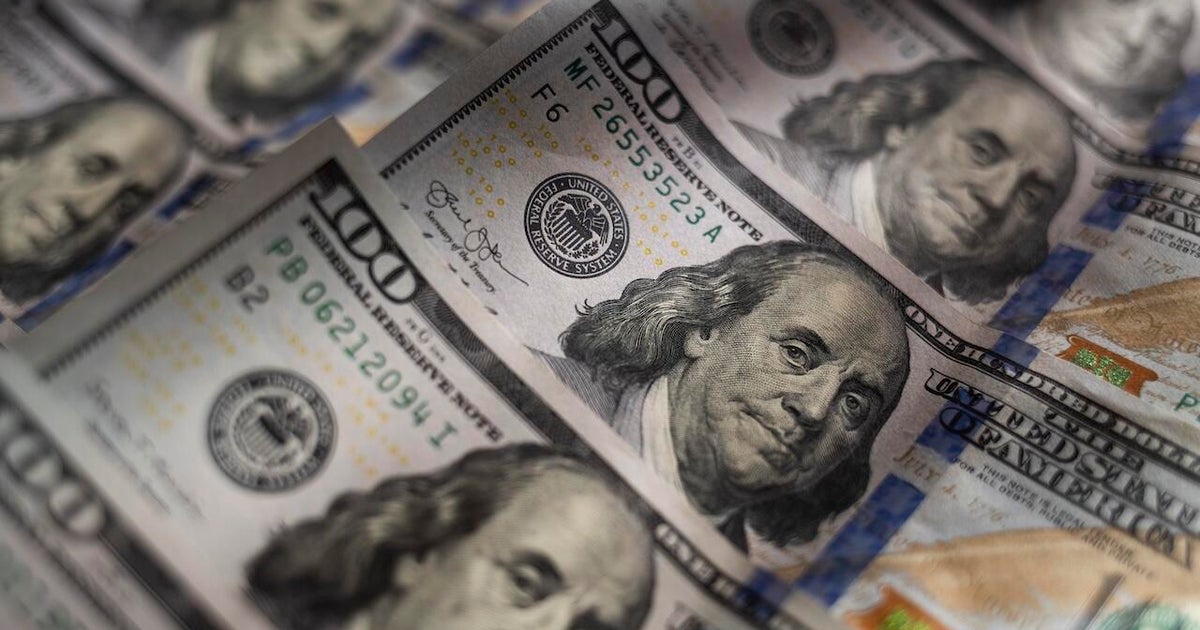
The ICE U.S. Dollar Index recently hit a four-year low, sliding over 3% since mid-January as investors respond to renewed tariff threats, presidential comments favoring a weaker dollar, and pressure on the Fed to cut rates amid political uncertainty including a possible government shutdown. The move is prompting flows out of dollars into hard assets — notably gold, which set a record above $5,500/oz — raising import costs for U.S. firms and benefiting exporters, and analysts warn the currency could fall another 7–8% if Treasury and Fed support remains absent.
Market structure: A ~3% DXY drop since mid-January (and risk of another 7–8% per market commentary) reweights winners toward commodities, exporters and FX-exposed multinationals while taxing import-heavy retailers and consumer discretionary suppliers via margin compression. Commodities and gold act as the immediate beneficiaries (price inflation + lower real U.S. yields support gold), EM FX and export-oriented equities gain relative demand, and U.S. Treasuries face bifurcated flows—near-term softening if Fed cuts are priced but potential volatility from capital outflows.
Risk assessment: Immediate catalysts are binary—government shutdown this weekend and Fed‑chair nomination next week—creating 3–10 day spikes; over 1–6 months tariff escalation or Fed rate cuts could cement dollar weakness and push gold and EM assets higher, while over 6–24 months persistent fiscal deficits and reserve diversification pose a slower structural risk. Tail scenarios: (A) aggressive Fed cut + trade escalation → sharp USD fall (–7–8%); (B) hawkish new Fed chair or coordinated Treasury intervention → rapid USD rebound and commodity correction.
Trade implications: Prioritize liquid, convex exposures: gold ETFs and miners, EUR/AUD long via spot/options, selectively short import-dependent retailers and buy USD‑downside spreads for protection. Stagger entries over 2–6 weeks around macro events, size risk per position 1–3% of portfolio, and use option structures to cap downside while keeping upside optionality.
Contrarian view: Consensus underestimates that the dollar is still dominant (56% reserves) so a mechanical, multi-quarter de‑dollarization is unlikely without a macro shock; gold’s run may be overbought and vulnerable to a hawkish Fed flip. Prepare for mean reversion: a hawkish Fed nominee or stronger CPI prints could produce a 4–8% USD rebound, hurting momentum trades in commodities and EM.
AI-powered research, real-time alerts, and portfolio analytics for institutional investors.
Request DemoOverall Sentiment
moderately negative
Sentiment Score
-0.52
Ticker Sentiment
