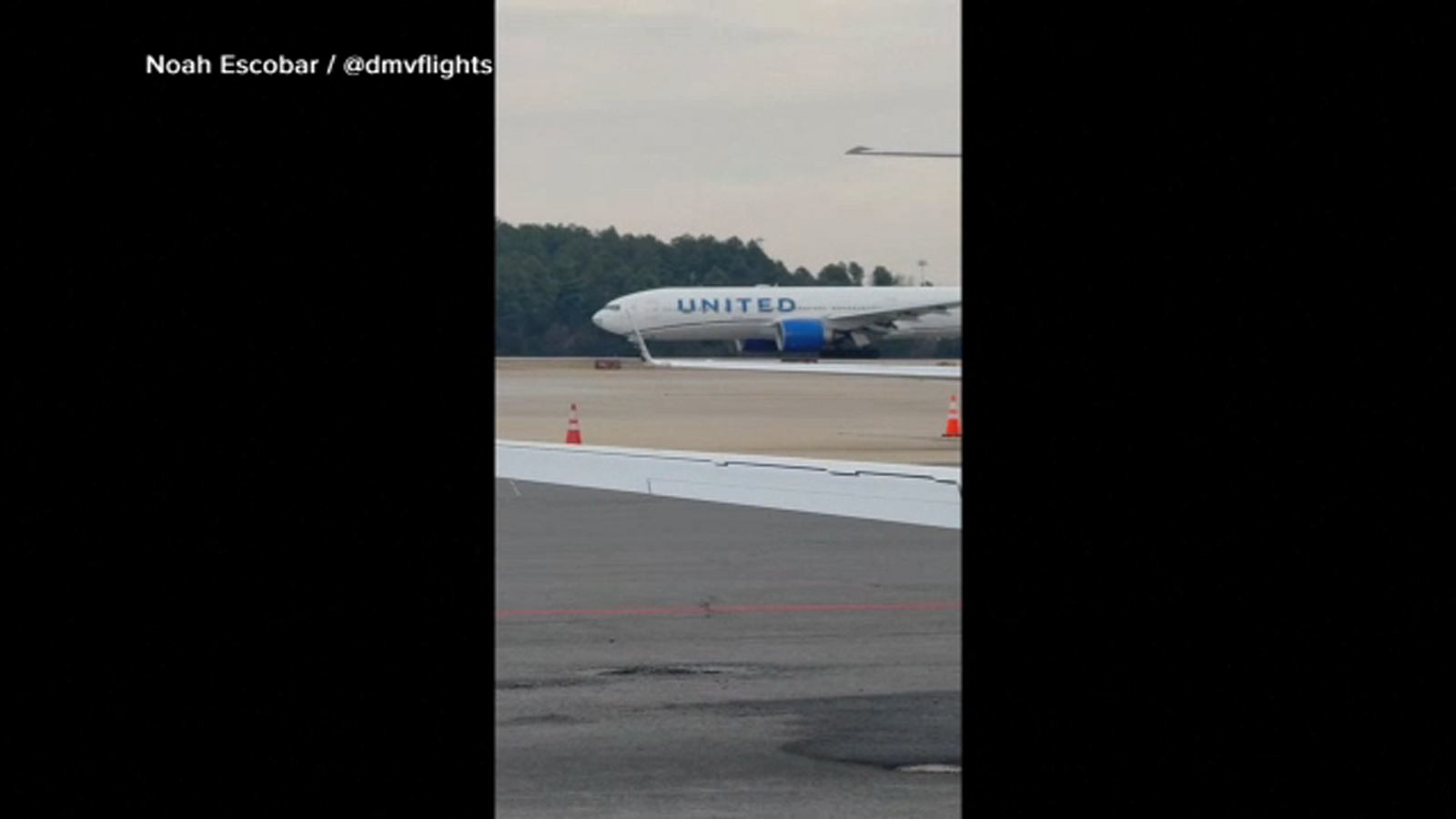
United Airlines flight 803, a Boeing 777-200 bound for Tokyo, experienced an engine failure during takeoff from Dulles International Airport and safely returned to the airport around 1:20 p.m.; there were no injuries among 275 passengers and 15 crew. The FAA will investigate the loss of engine power, a different aircraft was scheduled to continue the flight later Saturday, and a small brush fire ignited during departure was extinguished.
United Airlines flight 803, a Boeing 777-200 bound for Tokyo, experienced an engine failure during takeoff from Dulles International Airport and returned safely to the airport around 1:20 p.m.; there were 275 passengers and 15 crew on board and no reported injuries. The aircraft lost power in one engine, some brush alongside the runway was ignited and extinguished, and a different aircraft was scheduled to continue the flight later the same day. The Federal Aviation Administration has opened an investigation, which creates the primary near-term uncertainty around root cause, potential airworthiness directives, and any inspection or maintenance requirements. Market signals show mildly negative sentiment overall (score -0.3) with stronger sensitivity to United (UAL -0.4) than Boeing (BA -0.1) and a modest market-impact score (0.25), implying limited immediate market disruption but potential short-term reputational and operational consequences for UAL.
AI-powered research, real-time alerts, and portfolio analytics for institutional investors.
Request DemoOverall Sentiment
mildly negative
Sentiment Score
-0.30
Ticker Sentiment
