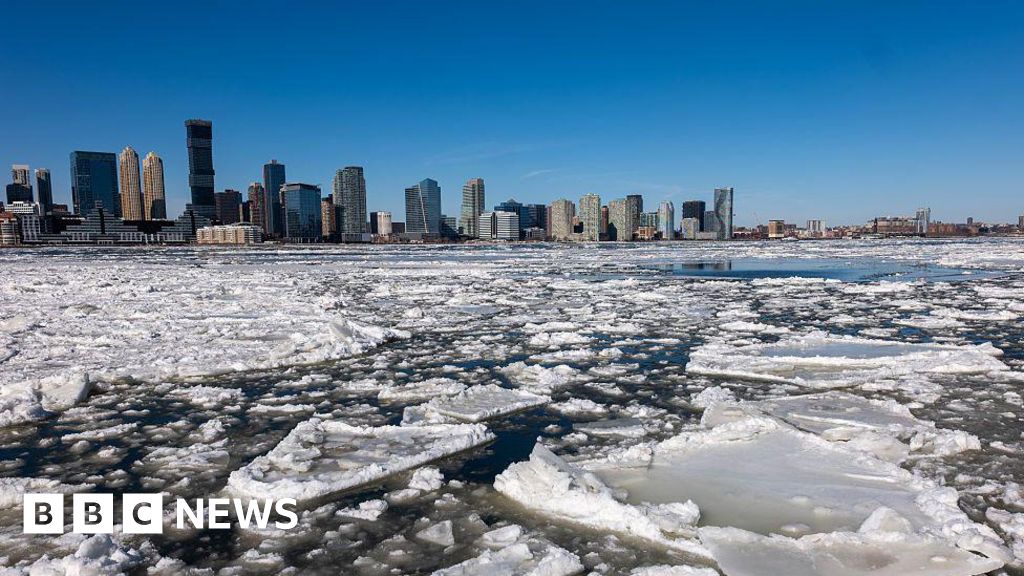
An extreme cold snap in New York City produced a 13-day streak of temperatures at or below 0°C and has been linked to 18 deaths, with at least 10 victims found outdoors. City officials declared a Code Blue on 19 January, reporting about 1,400 shelter placements, 64 added hotel rooms and the deployment of roughly 150 outreach workers; temperatures are forecast to rise toward 0°C but remain below seasonal averages, keeping risks of hypothermia, frostbite and refreeze-related hazards elevated.
Market structure: Short, extreme cold in NYC creates asymmetric, concentrated demand shocks — winners include regulated utilities (Consolidated Edison ED) and regional natural‑gas suppliers (EQT) from higher heating/load; home improvement retailers (HD, LOW) see durable goods upside; losers are transit/airline operators (MTA non‑public, DAL/LUV) and small NYC‑centric retail with foot‑traffic losses. Price power is limited for utilities (regulated) but commodity prices (natural gas, heating oil) can spike 10–30% regionally in days, shifting short‑term P&L across energy and logistics players.
Risk assessment: Tail risks include prolonged cold (multi‑week) producing localized gas supply constraints, cascading outages, utility credit stress, or fast regulatory action increasing shelter/municipal spending. Immediate (0–14 days) impacts: regional gas/spot power volatility and retail sales moves; short term (weeks–months): municipal budget pressure and higher capex for resiliency; long term (quarters–years): accelerated investment in electrification, insulation, heat pumps and municipal social services.
Trade implications: Cross‑asset: expect spikes in NG futures/options vols, modest widening in NYC muni spreads, short‑term relative strength in ED/utility call vols, and consumer discretionary rotation into HD/LOW. Execute short‑dated, directional gas call spreads and selective equity longs in utilities and home‑improvement, while trimming long-duration NYC muni exposure and hedging transit/airline exposure with puts.
Contrarian angles: Consensus treats this as transient weather; underappreciated is repeat event frequency driving structural capex (heat‑pump, insulation suppliers, smart‑grid), creating multi‑quarter winners (CARR, LII) beyond one‑week trades. Conversely, the market may overpay for gas spikes — favor capped option structures over naked longs to avoid mean reversion risk.
AI-powered research, real-time alerts, and portfolio analytics for institutional investors.
Request DemoOverall Sentiment
moderately negative
Sentiment Score
-0.35
