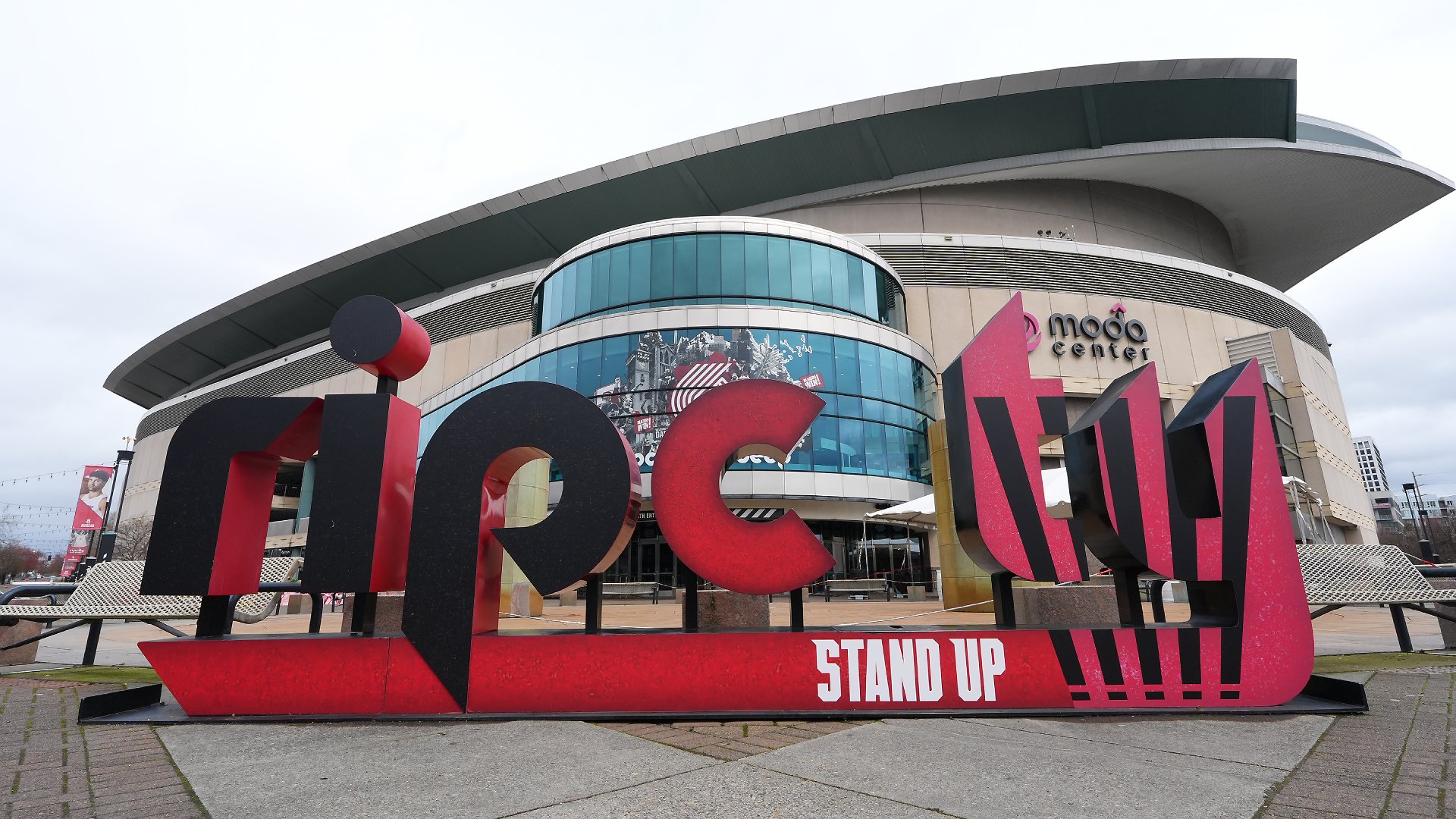
The NBA Board of Governors approved the sale of the controlling interest in the Portland Trail Blazers to an investor group led by Tom Dundon; Dundon will serve as the team’s Governor and the transaction is expected to close this week. This is a governance/ownership change with limited public-market impact but material to franchise valuation and local media/rightsholders—monitor any disclosed purchase price or financing terms for broader implications on sports asset valuations.
This transaction creates a fresh private-market valuation anchor for large U.S. sports franchises and will likely act as a re-rating signal for mid-market teams over the next 12–24 months. Expect bidders and LPs to reset return assumptions for franchise buyouts, compressing implied entry yields by ~100–300bps versus public comps as scarcity and strategic buyers dominate.
A high-probability second-order effect is renewed pressure on local media rights economics: a motivated new owner has both the incentive and the negotiating leverage to either extract higher carriage fees from RSNs/cable or accelerate a direct-to-consumer distribution push. That dynamic favors deep-pocketed streamers over legacy RSN owners and could catalyze rights consolidation in a 12–36 month window.
Real estate and ancillary commercial revenue upside is underappreciated and actionable: owners frequently monetize through arena redevelopment, mixed-use projects and upgraded premium-seat inventory, which lifts local FCF streams and sponsorship ARPUs. Expect outsized benefits to concert/ticketing ecosystems and to local REITs/partners if a redevelopment plan is announced within 6–18 months.
Key tail risks: league-level constraints (approval limits, revenue-sharing tweaks), a macro-driven advertising pullback that compresses sponsorship multiples, or an expedited flip by the buyer that caps upside. Watch three binary catalysts — media-rights negotiations, announced arena/redevelopment plans, and material C-suite/GM hires — as near-term (30–180 day) trade triggers.
AI-powered research, real-time alerts, and portfolio analytics for institutional investors.
Request DemoOverall Sentiment
neutral
Sentiment Score
0.00
