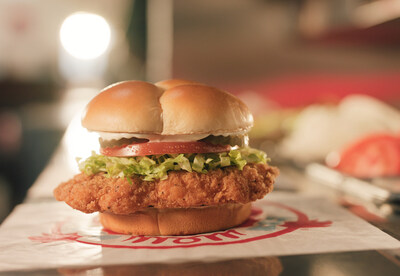
Wendy's is launching an upgraded Spicy Chicken Sandwich in all U.S. restaurants starting March 30, 2026, featuring a new marinade, panko-style breading with nine spices, a soft potato bun and richer homestyle mayo. The same upgrades apply to the Classic Chicken and the wider premium sandwich lineup, reflecting more than a year of consumer testing and feedback. The change is a marketing-driven quality initiative across the chain (Wendy's operates 7,000+ restaurants worldwide) intended to drive traffic and improve brand perception, with limited near-term direct financial impact.
This refresh is a classic premiumization play that should lift average unit volumes (AUVs) by a measurable but modest amount if execution holds — think +1–3% same-store sales over the next 1–3 quarters, with potential for ~50–150bps of restaurant-level margin expansion if price capture and mix shift toward premium sandwiches stick. The key arbitrage is between incremental check and input/labor creep: a successful product can flow almost entirely to operating leverage at company-level if franchisees pass through price and ops time doesn’t increase materially.
Second-order supply effects matter and arrive fast. Expect a multi-month increase in demand for breading, specialty buns and spice blends that favors large, consolidated suppliers (scale matters) and could create transient spot-price pressure for specific inputs; conversely, increased prep complexity risks drive-thru throughput at peak times, forcing either process investment or temporary promotional easings that would mute the upside. Watch order patterns and week-over-week ticket times in the first 2–6 weeks for early signs of friction.
Competitive reaction and franchisee economics set the medium-term outcome. National competitors can roll copycat LTOs within 3–9 months, eroding any first-mover share gain; franchisees unhappy with margin compression can slow adoption or demand co-funding, pressuring corporate margins and pushing potential EPS variability into a 5–15% band over the next 12 months. Primary catalysts: initial sales prints (4–6 weeks), franchise feedback and the next two quarterly comps/guide updates.
AI-powered research, real-time alerts, and portfolio analytics for institutional investors.
Overall Sentiment
mildly positive
Sentiment Score
0.25
Ticker Sentiment
