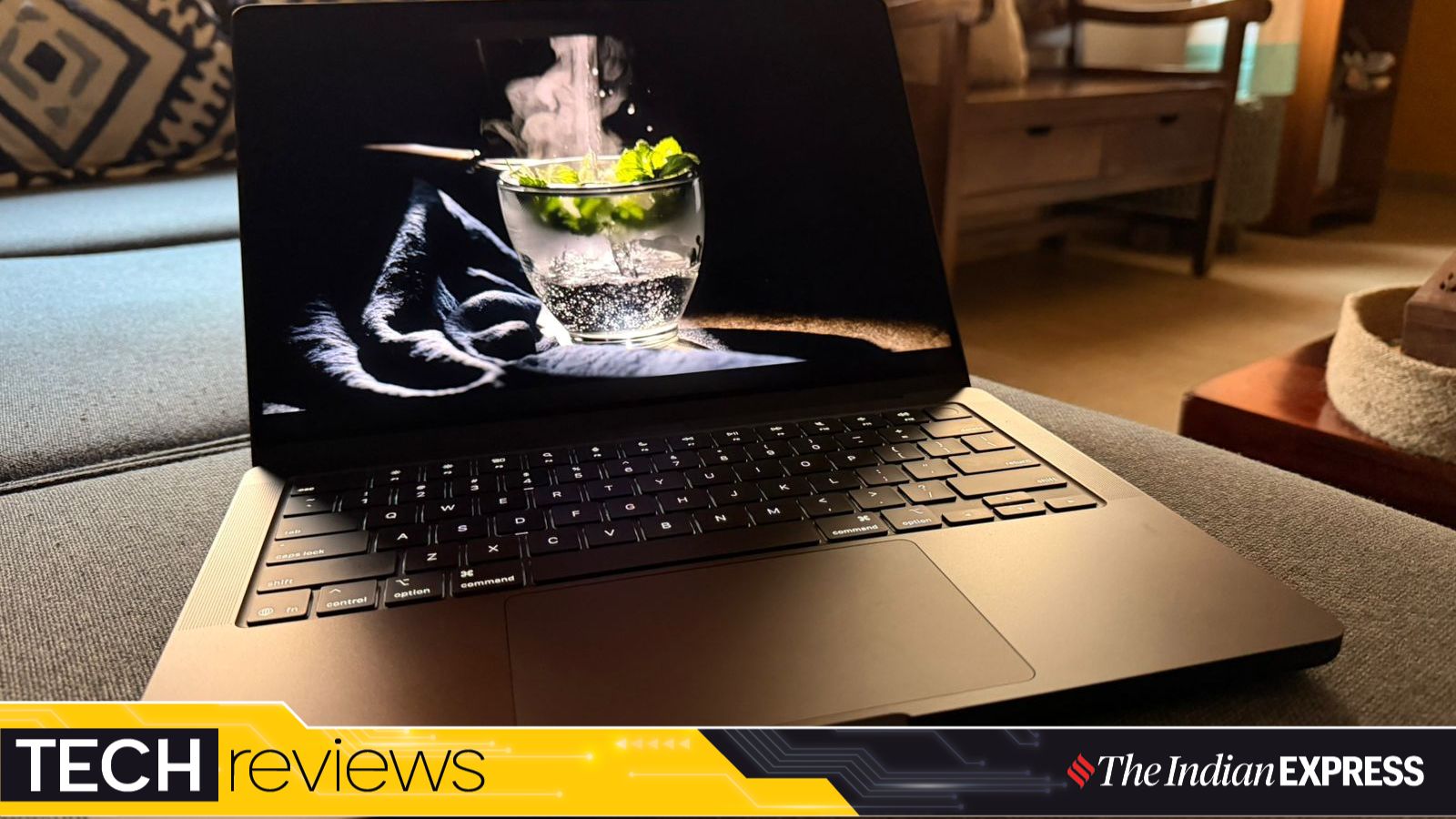
Apple's new 14-inch MacBook Pro with the M5 chip delivers notable performance gains for pro workflows—featuring a Liquid Retina XDR display with 1600-nit peak HDR, a CPU with four high‑performance and six high‑efficiency cores, a GPU touted as ~60% faster, faster storage, up to 24 hours battery life (reduced under heavy video/LLM loads), and I/O including three USB‑C ports, SDXC, HDMI and MagSafe 3; it starts at Rs 1,69,900. The device is positioned for video editors, gamers and on‑device AI use (examples include running a local LLM on a 100k‑row CSV and seamless 4K edits), making it a meaningful upgrade for users running local AI models or pro multimedia workflows while remaining overkill for typical everyday users.
Market structure: Apple (AAPL) is the direct beneficiary — premium MacBook ASPs and on‑device LLM use tilt demand toward Apple hardware and its supply chain (TSM, MU, SWKS). Losers are likely mid/low‑end Windows OEMs (DELL, HPQ) who compete on price rather than integrated silicon; GPU cloud rents (NVDA‑dependent) may see modest downward pressure if workloads move on‑device. Expect 3–6% structural ASP upside for Apple’s Mac mix over the next 12 months if on‑device AI adoption accelerates.
Risk assessment: Tail risks include antitrust/regulatory actions (EU/US) against App Store or chips supply, TSMC (TSM) capacity constraints, and software regressions (macOS Tahoe) that could suppress near‑term sell‑through. Immediate (days) impact = sentiment swings around product reviews; short‑term (weeks/months) = holiday sales and supply updates; long‑term (12–36 months) = revenue from bundled/AI services and higher Mac share. Hidden dependency: Apple’s on‑device AI value depends on third‑party model ecosystem and memory/GPU SOC supply.
Trade implications: Establish a phased 2–3% long AAPL position over 30 trading days, add on pullbacks >5%, target +10–15% in 3–6 months around holiday data and WWDC guidance. Pair trade: long AAPL vs short DELL (DELL) 1:1 exposure to capture premium mix shift. Options: buy 3–6 month AAPL call spreads (e.g., 1x 3‑month ITM/OTM) and buy cheap 3–6 month puts on DELL; hedge positions with 1–2% portfolio protective puts if AAPL >3% allocated.
Contrarian angles: Consensus treats this as incremental; market may be underpricing a shift to on‑device AI subscriptions/retention that could drive services ARPU +5–8% over 12–24 months. Conversely, risk is that higher component costs (LPDDR, GPU) compress gross margins by 100–200bp if volumes disappoint. Monitor three metrics over next 30–90 days: Mac unit growth, Mac ASP, and TSMC lead‑times; divergence (>5% miss on units or >150bp margin compression) should trigger de‑risking.
AI-powered research, real-time alerts, and portfolio analytics for institutional investors.
Request DemoOverall Sentiment
moderately positive
Sentiment Score
0.60
Ticker Sentiment
