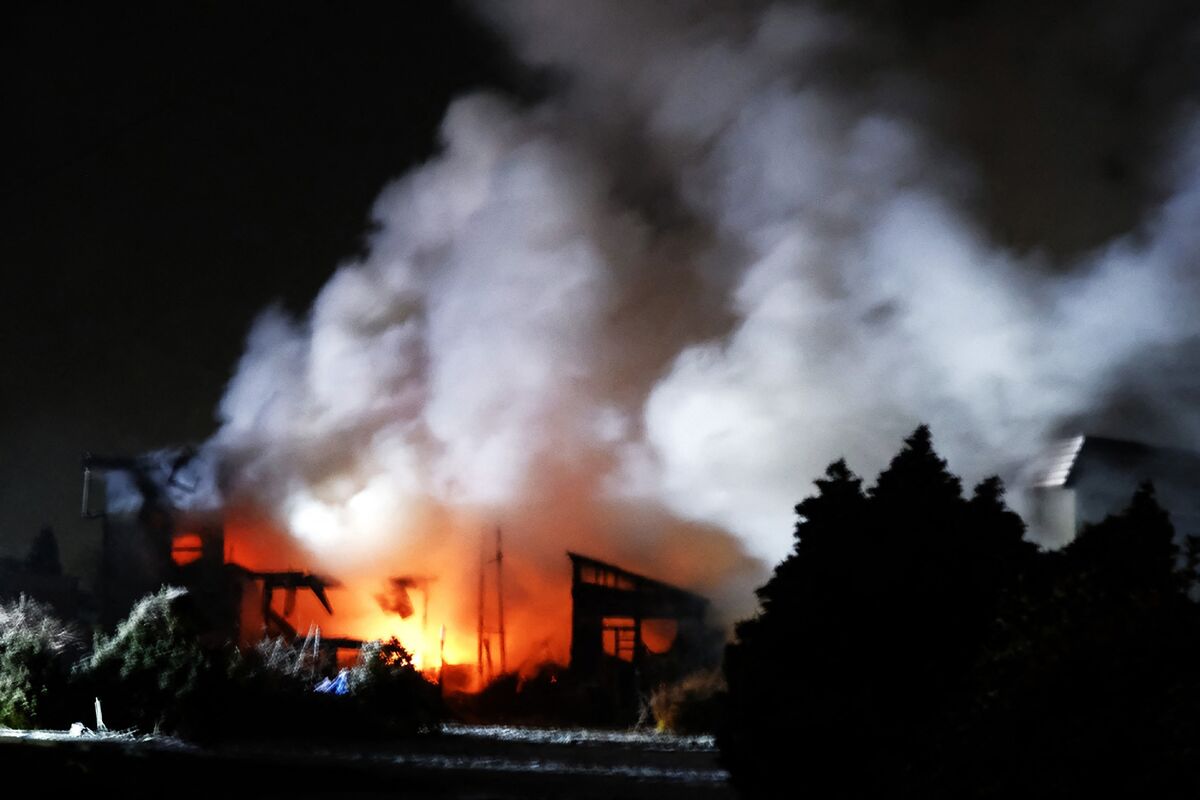
A magnitude-7.5 earthquake struck off the coast of Aomori late Monday; authorities lifted all tsunami warnings after waves up to 70 cm were recorded and there were no immediate reports of structural damage, though about 30 people were reported injured, Prime Minister Sanae Takaichi said. Immediate market disruption appears limited given the lack of reported damage, but investors should monitor for aftershocks and any localized impacts to transport, supply chains or energy infrastructure in northeastern Japan.
Market structure: A magnitude-7.5 offshore quake centered near Aomori creates concentrated, localized risk — immediate winners are safe-haven assets (JGBs, JPY) and global reinsurers that can reprice risk; losers are local utilities, regional ports/shipping, and short-term tourism/activity in Tohoku if disruptions persist. Because reported physical damage is minimal (70cm waves, ~30 injuries), large-scale supply-chain dislocations are unlikely; therefore pricing power shifts are transitory and sectoral rather than broad-based, with any equity weakness likely <5% and short-lived.
Risk assessment: Tail risk includes a larger-than-reported aftershock or infrastructure failure (nuclear, grid) that could create multi-week supply shocks and regulatory clampdowns — low probability but high impact. Immediate horizon (days): risk-off flows into JGBs/JPY and implied vol; short-term (weeks/months): microeconomic hits to regional capex/tourism if repairs required; long-term (quarters+): negligible unless cascading industrial disruptions or policy changes (building code reviews, insurance reform) occur.
Trade implications: Expect a knee-jerk equity dip and tightening JGB yields; implement short-duration macro trades (JPY longs, JGB longs) and small tactical equity buys on oversold Japanese ETFs or select insurer/engineering names if they gap down >3-4%. Use options to cap downside (buy 1-week puts on EWJ or USD/JPY options) and avoid levering into names with concentrated exposure to Aomori’s ports/energy nodes.
Contrarian angles: Consensus will treat this as a headline-driven risk-off; the market is likely to overshoot given limited damage. That creates short-term mispricings: buy high-quality domestic cyclicals and insurers on >3% drops and fade spikes in implied volatility in 7–30 day window. Historical parallels (2011 smaller quakes vs. large disasters) show rapid recovery for national indices within 2–8 weeks when national supply chains remain intact.
AI-powered research, real-time alerts, and portfolio analytics for institutional investors.
Request DemoOverall Sentiment
mildly negative
Sentiment Score
-0.25
