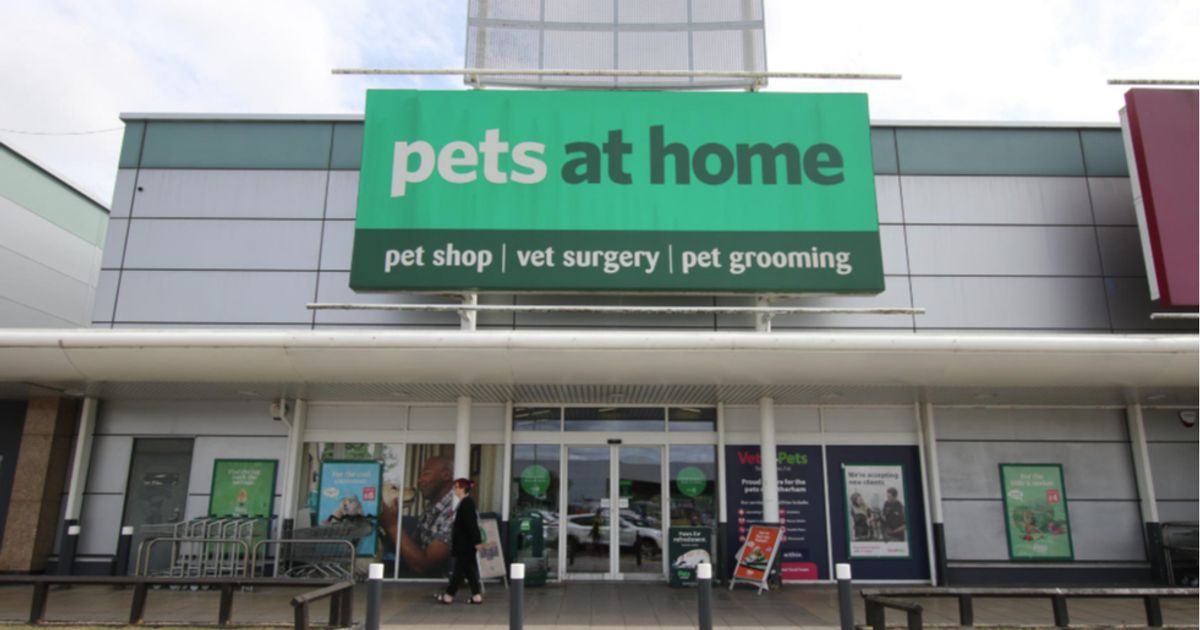
Pets at Home has appointed former Waitrose managing director James Bailey as CEO, effective March, replacing interim executive-chair Ian Burke who will revert to a non-executive role; the move follows the departure of prior CEO Lyssa McGowan in September after the group issued a second profit warning in the year. Bailey, who led Waitrose from 2020 to August 2025 and spent two decades in senior roles at J Sainsbury, will receive a base salary of £639,770, an annual bonus opportunity up to 170% of salary and share options subject to shareholder approval in July 2026 — signalling the board's push to shore up retail and online operations and align management incentives to restore performance.
Market structure: The appointment of ex‑Waitrose MD James Bailey is a clear signal that Pets at Home (LSE:PETS) will pursue operational discipline, supplier terms and higher-margin assortment — direct winners are PETS suppliers with scale and private‑label partners; losers are low‑margin independents and discounters. Pet spending is relatively inelastic versus food retail, so modest margin recovery (100–200bps) is realistic over 6–12 months if execution reduces shrink and promotional intensity.
Risk assessment: Immediate reaction is likely a modest positive (days) but the stock remains execution‑sensitive over 3–12 months; tail risks include renewed demand weakens (consumer belt‑tightening), a botched cost program that hurts footfall, or activist investors forcing structural change. Hidden dependencies: Bailey’s large bonus/options package aligns short/medium incentives (next 12–18 months) and the July‑2026 shareholder vote on options is a binary catalyst that could re‑rate volatility.
Trade implications: Direct play: selective long PETS exposure ahead of operational KPIs — expected catalyst cadence: trading update within 6–8 weeks, FY commentary in next 3–6 months, options vote July 2026. Use call options (9–15 month) or a debit call spread to limit downside while keeping upside; size initial positions 1–3% of equity risk budget and scale on two consecutive quarters of LFL sales improvement >+1%.
Contrarian angles: Consensus may overemphasize sector fatigue and underweight managerial fit — grocery operational rigour often improves inventory and supplier margins in specialty retail, but transferability is not guaranteed (histor precedents mixed). Monitor leading indicators (vet clinic footfall, gross margin %, promo depth) for early signs; a failure to improve these within 6 months would be a sell trigger.
AI-powered research, real-time alerts, and portfolio analytics for institutional investors.
Request DemoOverall Sentiment
mildly positive
Sentiment Score
0.30
