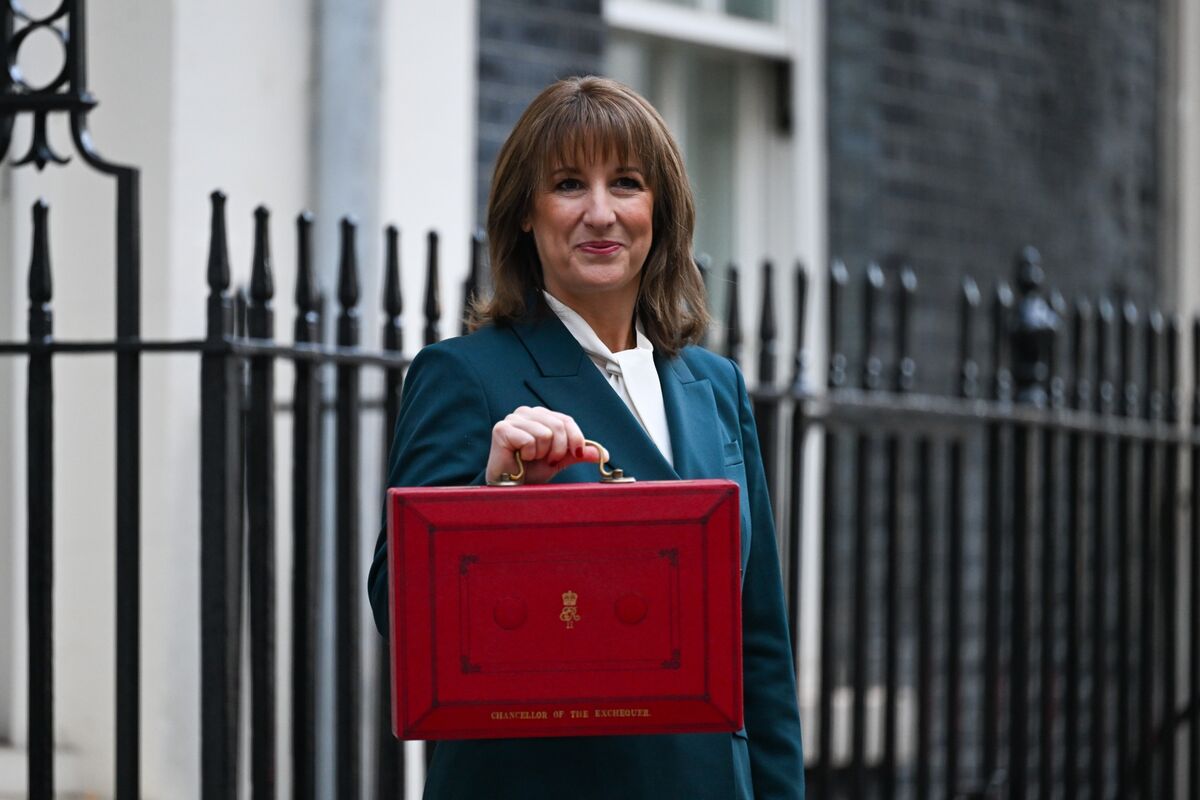
Rachel Reeves faced public pushback over her budget presentation, with businesses warning of the UK's 'growing pains' and a noted anecdote of entertainers at Butlin’s reacting to her red box. The article highlights political and consumer-sector sensitivity to fiscal messaging but provides no concrete fiscal measures, economic data, or company financials that would immediately move markets.
Market structure: Political messaging around UK cost-of-living and fiscal pain points shifts demand toward lower-priced domestic leisure and value travel (Butlin’s-style) and away from discretionary high-end hospitality. Expect relative winners: budget hotels/PRemier-Inn-type (WTB.L) and low-cost operators; losers: premium dining, high-end tourism and discretionary retailers if real wages slip by >1-2% year-on-year. Pricing power will be regional rather than national — smaller operators can raise rates in peak weeks while high-end chains face occupancy elasticity.
Risk assessment: Tail risks include a Labour fiscal surprise (large tax hikes or rapid austerity) that could knock consumer spending and push 10y Gilt yields +50–75bps in 1–3 months; alternatively, surprise stimulative spending could strengthen GBP and boost travel. Hidden dependencies: energy prices, air travel capacity and corporate payroll trends will amplify consumer leisure choices. Catalysts: election poll swings, Chancellor’s Budget (30–60 days), and monthly CPI/Wages prints will accelerate re-pricing.
Trade implications: Favor tactical longs in UK domestic/value leisure (2–3% positions in WTB.L or IHG.L) while shorting high-end discretionary retail exposure (FTSE 350 leisure basket shorts) for 3–12 months. Use options to express asymmetric views: buy 3-month put spreads on TUI (TUI1.DE) and buy call spreads on WTB.L around key data releases. Rotate capital into defensive consumer staples or utilities if 10y Gilts rise >40bps and GBP falls >2%.
Contrarian angles: Consensus may underprice stickiness of staycations — if sterling weakens 3–5% into summer, outbound travel demand could collapse and domestic operators see EBITDA upside >10% vs expectations. Reaction to short-term headlines is likely underdone for leisure names with low leverage and flexible cost bases; conversely, leverage-heavy travel names (CCL, TUI) could exaggerate downside. Historical parallel: 2012 UK staycation cycle where domestic leisure outperformed by ~300–500bps over international peers for two seasons.
AI-powered research, real-time alerts, and portfolio analytics for institutional investors.
Request DemoOverall Sentiment
neutral
Sentiment Score
0.00
