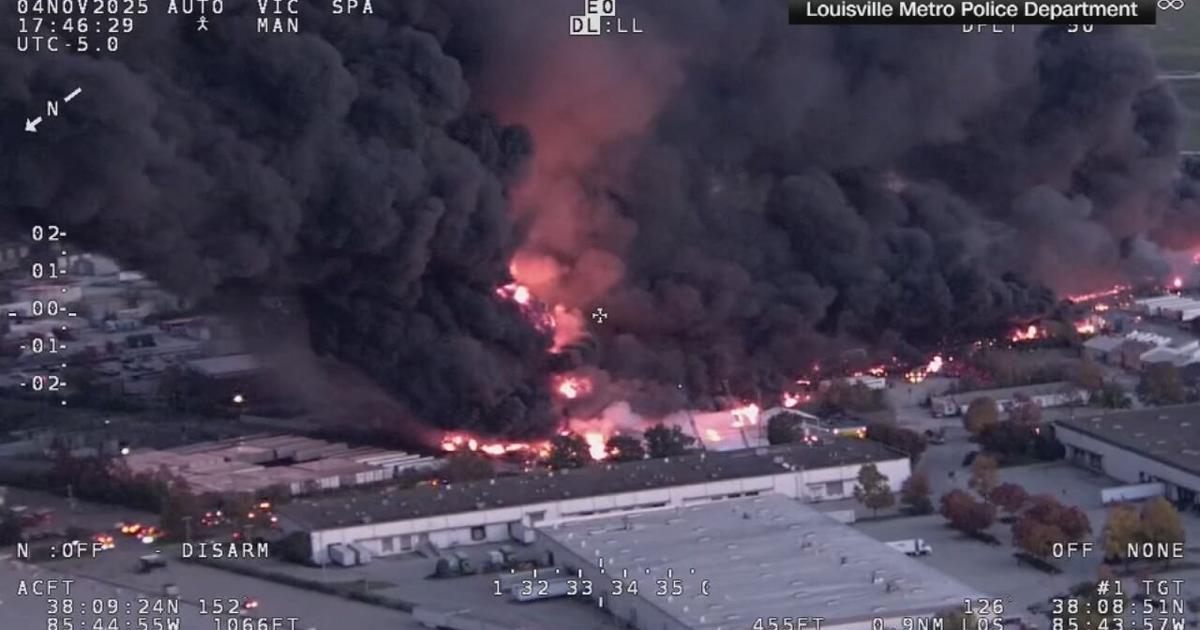
The NTSB is holding a two-day hearing into the Nov. 4, 2025 UPS Flight 2976 crash that killed 15 people, including three pilots, after the MD-11's left engine detached during takeoff. Preliminary findings point to fatigue cracks and overstress failure in the engine pylon bearing race, with Boeing previously aware of four earlier bearing race failures on MD-11s. The hearing could drive further regulatory scrutiny, litigation, and operational changes for Boeing, UPS, and FAA oversight of MD-11 cargo aircraft.
This is less a one-off headline risk than a likely re-rating event for the entire legacy freighter ecosystem. The market should focus on the second-order effect: if a decades-old design issue is framed as known-but-tolerated, plaintiffs will argue not just maintenance failure but product/design liability, widening exposure from the operator to OEMs, engine suppliers, and MRO vendors. That is structurally worse for BA than UPS because it raises the probability of multi-year discovery, higher reserve expectations, and knock-on scrutiny of other legacy airframes with similar life-extension economics.
UPS faces a near-term operational overhang, but the larger issue is cost of capital for cargo capacity planning. Even if the fleet impact is manageable, the company now has an incentive to accelerate redundant lift, charters, and network redesign, which is margin-dilutive in the next few quarters. For FDX, the direct earnings impact is limited, but it is a relative beneficiary if shippers shift time-critical cargo away from perceived legacy-risk exposure; that relative share gain is more durable than the headline damage suggests.
The catalyst path is asymmetric: the hearing can keep pressure on for weeks, but the litigation and regulatory cycle lasts quarters to years. The main reversal would be an NTSB finding that sharply localizes fault to a narrow maintenance or inspection miss rather than a broader design/oversight failure; absent that, any relief rally in BA/UPS should be sold because discovery risk will keep expanding. A subtle but important point is that even if the aircraft is already retired, the market may still underprice the precedent risk for other aging fleets and the price of doing business across aerospace OEMs, MROs, and cargo operators.
Contrarian view: the immediate share-price damage may be overdone for UPS because the hard-dollar earnings impact of one retired fleet is smaller than the reputational hit implies, while BA likely remains vulnerable to headline velocity rather than direct balance-sheet damage. The better trade is not a blunt short on logistics, but a relative short on legacy-aerospace liability versus diversified parcel exposure. If the hearing turns into a broader design critique, that spread should widen materially over the next 1-3 months.
AI-powered research, real-time alerts, and portfolio analytics for institutional investors.
Request DemoOverall Sentiment
strongly negative
Sentiment Score
-0.78
Ticker Sentiment
