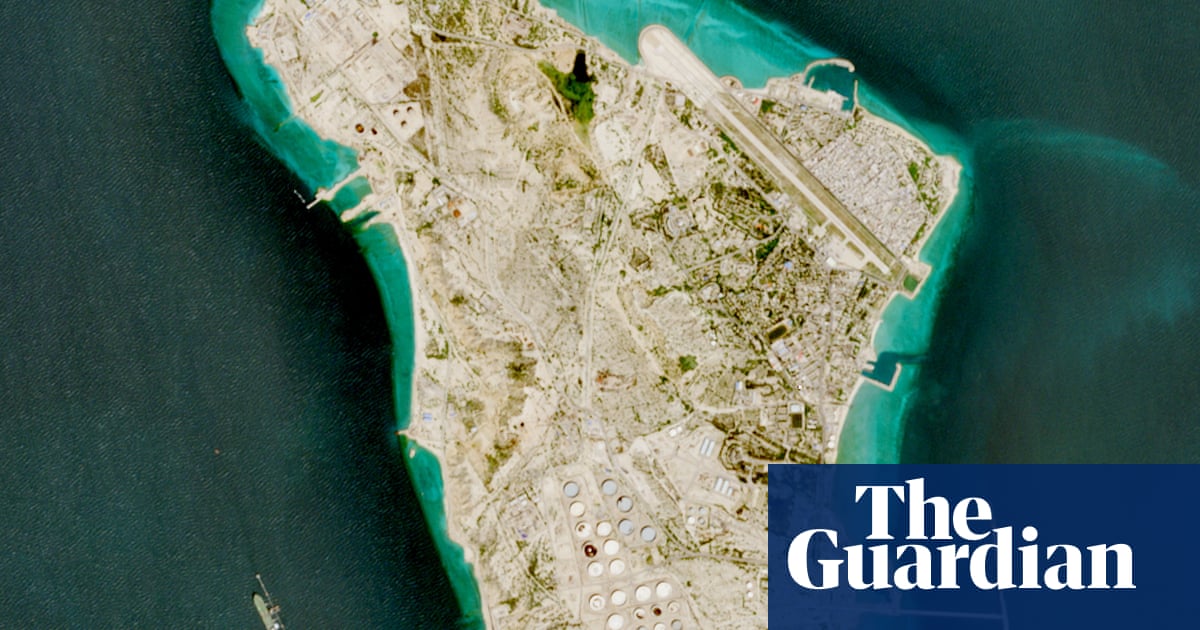
Thousands of US marines (31st and 11th expeditionary units) plus ~2,000 82nd Airborne paratroopers are being deployed to the Middle East; Kharg Island channels about 90% of Iran's crude exports. An assault or intensified bombardment of Kharg or other islands (Qeshm, Larak, Abu Musa) could close the Strait of Hormuz and sharply tighten global oil supplies, risking market-wide disruption and economic damage. Limited US heavy armor and logistics make a prolonged ground campaign unlikely, increasing the probability of a costly stalemate rather than a decisive outcome; US has reportedly hit ~90 targets on Kharg and is searching for 440kg of missing HEU, with broader infrastructure strikes delayed until 6 April.
The immediate market dynamic will be acute, not chronic: expect a 0–3 month window of outsized volatility in oil, freight and insurance spreads rather than a sustained structural supply shortfall. A temporary choke at Hormuz or targeted strikes on island infrastructure would likely widen Brent volatility by $10–25/bbl intra-month and push tanker voyage costs and time-on-route up meaningfully (re-routing via the Cape adds ~10–14 days and raises voyage fuel/time costs by mid-to-high single-digit percent), creating a sharp but reversible profit pool for owners of tonnage and floating storage.
Second-order effects matter more than headline oil prices: elevated war-risk premiums and mines/drones threats flow directly into tanker dayrates, P&I/war insurance premia, and bunker fuel demand — benefitting pure-play tanker owners, floating storage providers and refiners with heavy distillate yields while compressing margins for global shippers and airlines that cannot quickly pass through incremental fuel and time costs. Expect contango/backwardation dynamics to flip quickly; if contango re-emerges, owners with storage optionality (including VLCC owners) can monetize the curve.
Catalysts and timing: watch for (1) credible mining or sustained interdiction of traffic (days–weeks) that forces reroutes and spikes dayrates, (2) visible degradation/destruction of Kharg/Larak infrastructure (hours–days) that lifts crude and product spreads, and (3) any US raid to recover fissile material which would extend the risk horizon to months and increase probability of retaliatory asymmetric attacks. The base case is tactical Western strikes and elevated premiums for weeks; the tail is a multi-month choke that would reprice energy, insurance and defense sectors materially.
AI-powered research, real-time alerts, and portfolio analytics for institutional investors.
Request DemoOverall Sentiment
strongly negative
Sentiment Score
-0.75
