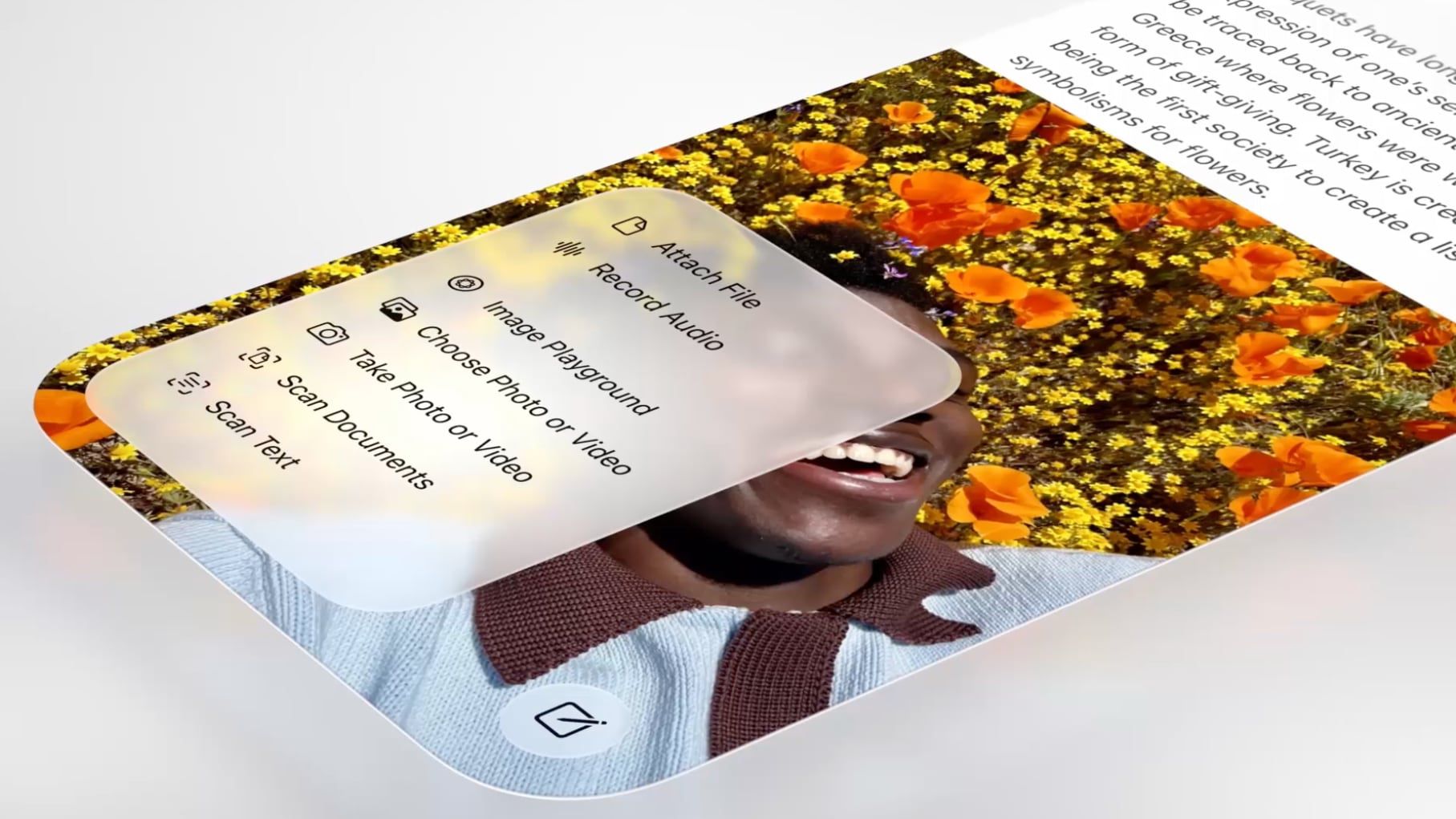
Apple updated its Liquid Glass Design Gallery to showcase third-party adoption of the Liquid Glass UI across iOS 26, iPadOS 26, and macOS 26, highlighting apps such as AllTrails, Carrot Weather, Fantastical, Kroger, SketchPro, Trello, and Le Monde. Changes since the feature's debut have been minor (e.g., a Lock Screen slider for Liquid Glass), and rumors suggest OS27 will retain the aesthetic with little change, implying limited near-term impact on device demand or competitive positioning.
This design iteration acts like a low-friction product enhancement rather than a direct revenue driver — the real economic lever is conversion rate and retention. Small UX wins commonly move conversion 1–4% for engagement-led apps; multiplied across the top 1,000 iOS apps that could translate into high-single-digit percentage lifts in aggregate App Store transactions and subscriptions over 6–18 months, favoring platform owners and large developers that capture scale.
Second-order winners are not hardware suppliers but software-scale beneficiaries: smaller app teams reduce spend on bespoke UI engineering (shrinking addressable market for premium UI tooling providers), while Apple gains stickiness and a higher baseline for services monetization. There is a modest tailwind to device upgrade economics — richer visuals can justify marginal spend on GPU/SoC capability in new models — but those effects are multi-quarter to multi-year and diffuse across the supply chain.
Key risks are execution and backlash: performance or battery regressions on older devices would produce visible negative press and measurable churn among high-value users, reversing any short-term uplift. Regulatory or developer pushback (if system defaults crowd out third-party differentiation) is a medium-term threat that could slow adoption and remove the expected incremental services revenue.
For Kroger, the UX improvement is a tactical lever — expect low-single-digit increases in digital basket size and retention if rollout is smooth, but it is insufficient to materially change fundamentals absent parallel improvements in logistics/pricing. Overall, this is a platform-strengthening feature: meaningful for product strategy and developer economics, modest as a standalone catalyst for hardware revenue in the next 6–12 months but accretive to platform monetization over 12–36 months.
AI-powered research, real-time alerts, and portfolio analytics for institutional investors.
Request DemoOverall Sentiment
neutral
Sentiment Score
0.00
Ticker Sentiment
