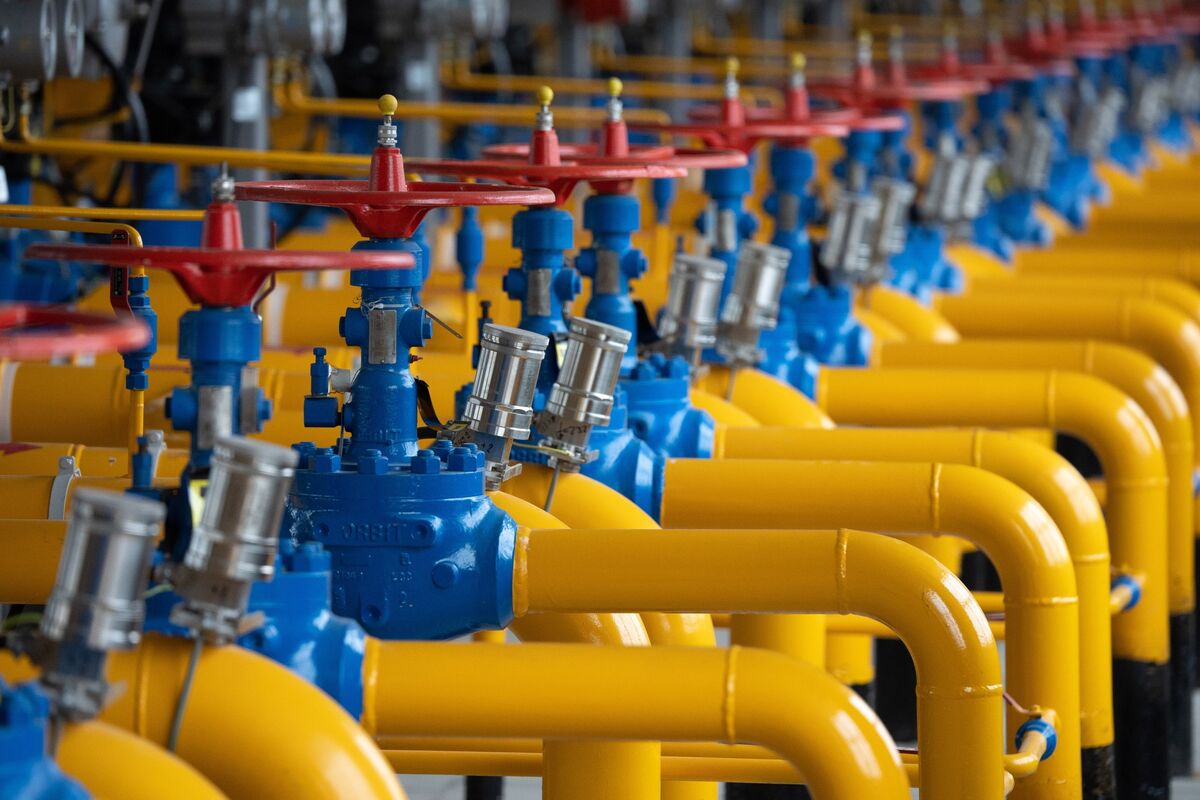
European Union energy ministers are nearing an agreement to ban all Russian gas supplies by the end of 2027, a definitive move to end the bloc's reliance on Moscow's energy. The proposed plan would first prohibit Russian gas under existing short-term contracts by mid-June, with exemptions for landlocked countries such as Hungary and Slovakia, followed by a ban on long-term deals 18 months later. This phased approach underscores the EU's strategic pivot towards energy independence and will likely have significant implications for global energy markets and geopolitical dynamics.
The European Union is nearing a definitive agreement to ban all Russian gas supplies by the end of 2027, marking a strategic pivot towards energy independence from Moscow. This phased prohibition begins with short-term contracts by mid-June, followed by long-term deals 18 months later, with specific exemptions for landlocked nations like Hungary and Slovakia. This legislative action, driven by geopolitical considerations, aims to fundamentally reshape the bloc's energy security landscape.
The initiative carries a high market impact (score 0.7) and is viewed with a moderately positive sentiment, reflecting optimism regarding the EU's long-term energy strategy. The phased implementation, extending to 2027, provides a transition period for member states to secure alternative energy sources and infrastructure. This structured approach is designed to mitigate immediate supply shocks while achieving the overarching goal of reducing reliance on Russian energy.
This regulatory move will significantly influence global energy markets and prices, as well as geopolitical dynamics, aligning with themes of sanctions and export controls. The EU's commitment to this ban underscores a sustained effort to leverage economic policy for geopolitical objectives, potentially accelerating investments in renewable energy and diversified gas imports. The exemptions highlight the complex political negotiations and varying energy dependencies among member states.
AI-powered research, real-time alerts, and portfolio analytics for institutional investors.
Overall Sentiment
moderately positive
Sentiment Score
0.50
