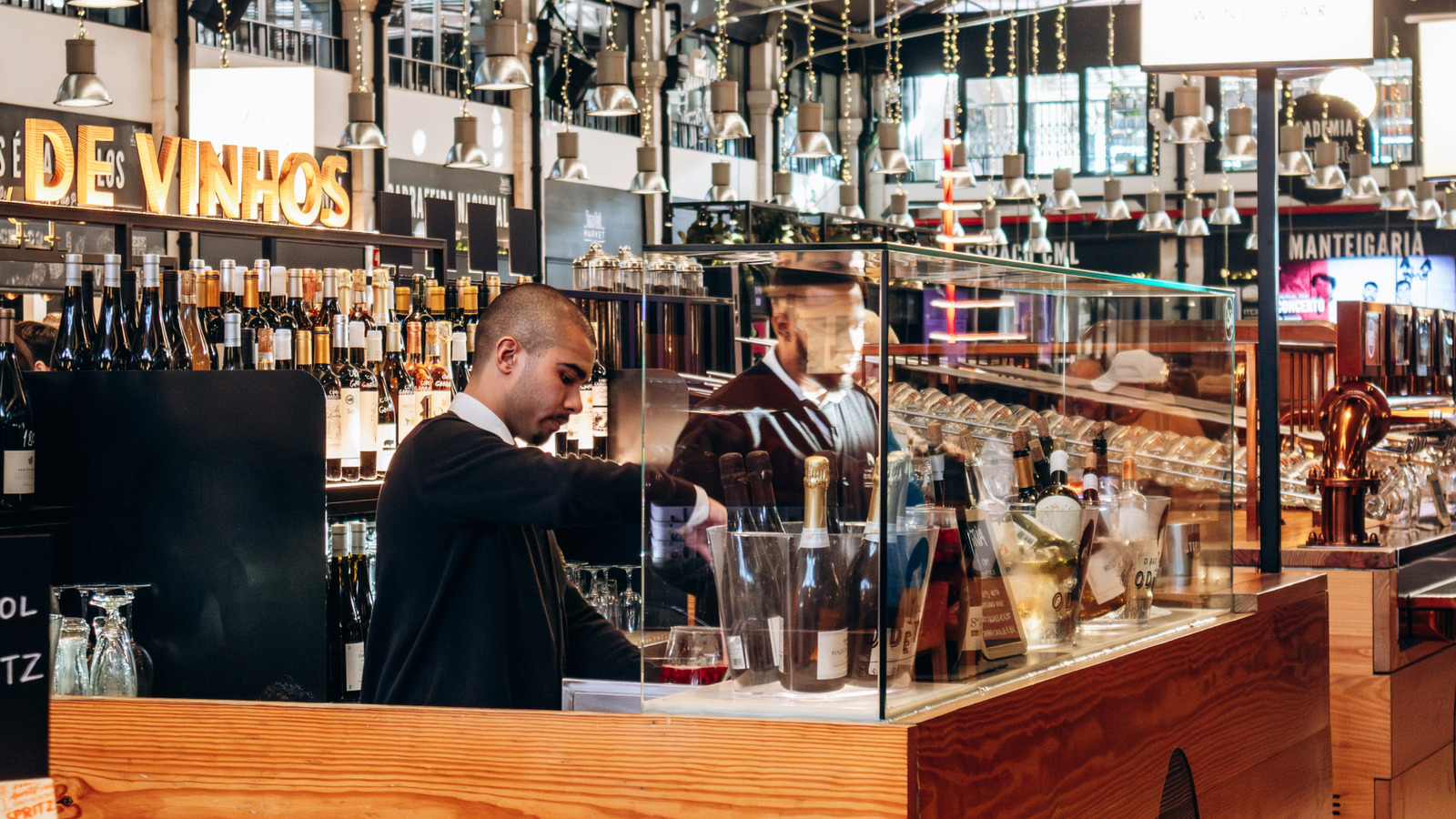
Time Out Group will close its Time Out Markets in Chicago and Boston on January 23, 2026, ending six years of operations in each city; each market hosted roughly 15–17 eateries. Management attributed the shutdown to inconsistent post-pandemic foot traffic from hybrid work patterns and rising operating costs, saying the locations could not sustain consistent profitability. The closures reduce the company’s physical hospitality footprint in two major U.S. cities but the Time Out brand and digital channels will remain operational; the action signals continued weakness in urban food-hall footfall rather than a systemic issue for the global business.
Market structure: Closure of Time Out Markets in Chicago and Boston is a microcosm of persistent downtown footfall weakness — winners are delivery platforms (DoorDash, Uber Eats) and suburban/strip-center restaurants; losers are experiential urban retail and office-linked food tenants and landlords. Expect modest pricing pressure (rent concessions) for F&B leases in CBD assets over 12–24 months and a reallocation of demand to lower-rent, off‑peak venues. Cross-asset: city commercial CRE credit spreads and select office/retail REIT equity risk premia should widen; municipal bonds for large downtown redevelopment projects see modest secondary supply pressure.
Risk assessment: Tail risks include a broader brand contagion forcing other Time Out markets to reprice (~10–20% EBITDA hit) or a quick office-return (policy-driven) that reverses trends; probability low but impact high. Near-term (days–weeks) risk is headline-led volatility; short-term (3–6 months) risk is winter tourism variability; long-term (12–36 months) depends on structural office occupancy and lease rollover schedules. Hidden dependencies: landlord lease maturity cliffs, tenant co-tenancy clauses, and local tourism events; catalysts include corporate office return mandates, holiday downtown footfall data, and Q4 rent collections.
Trade implications: Favor delivery platforms (DASH, UBER) and suburban retail landlords (Realty Income O, SPG) over office/experiential REITs (VNO, SLG) for 3–12 month horizons. Use pair trades and options to express views — buy calls on delivery names and buy puts or reduce net exposure to downtown-focused REITs. Timing: initiate after next monthly footfall print or within 30 days to capture winter liquidity repricing.
Contrarian angles: Consensus frames this as localized failure of a concept; miss is that closure quantifies demand elasticity — landlords will cut rents, creating buying opportunities in high-quality urban retail leases on resets. Reaction may be overdone for global Time Out operations; tourism-heavy markets (Barcelona, Dubai) could reaccelerate cash flows and be acquisitive targets. Unintended consequence: further flight to delivery accelerates margin capture for aggregators and cloud‑kitchen operators, creating new platform winners.
AI-powered research, real-time alerts, and portfolio analytics for institutional investors.
Request DemoOverall Sentiment
moderately negative
Sentiment Score
-0.40
