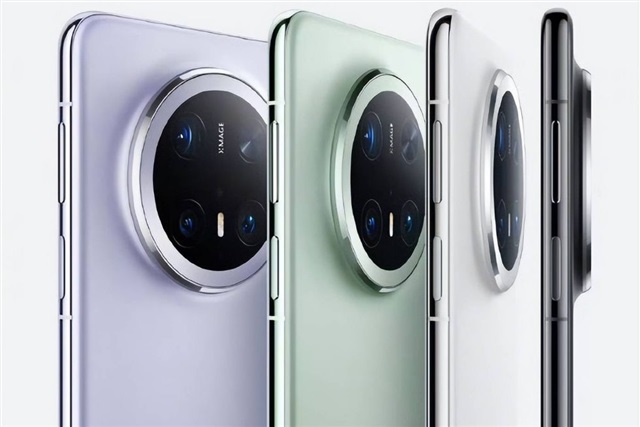
Disappointing sales of Apple's iPhone Air combined with tightening supply chains have led major Chinese smartphone makers to freeze or cancel their own 'Air' ultra‑thin phone projects, according to industry sources cited by Sina Finance. The pullback in planned product launches could slow innovation in the premium handset segment, pressure component suppliers and capex plans, and reshape competitive positioning among Chinese OEMs.
Market structure: The cancellation of China OEM "Air" projects signals waning demand for the ultra-thin niche and reduces near-term competition for Apple at the premium end, but also flags broader softening in premium device upgrades. Expect a 5–15% reduction in new ultra-thin model launches globally over the next 6–12 months, pressuring niche component suppliers (ultra-thin glass, flex PCBs) while broad-component demand (SoC, cameras) stays stable. Pricing power shifts mildly toward incumbents with diversified portfolios (Apple, Samsung) and away from specialist thin-component vendors.
Risk assessment: Immediate risk is headline-driven volatility in AAPL (expected IV+15–30% for 1–4 weeks); short-term (weeks/months) risks include negative guidance in Q4 retail results from Apple or Chinese OEMs and supply-chain retrenching; long-term (quarters/years) risk is structural demand erosion in premium phones if consumers trade down. Tail risks: China policy shocks or new US export controls disrupting Apple supply; second-order dependency is services revenue masking hardware weakness (Apple services could absorb 200–300bps margin pressure).
Trade implications: Near-term, hedge AAPL exposure with defined-risk puts (30–45d debit put spreads sized 1–2% portfolio) ahead of holiday retail prints; if AAPL falls >7% in 10 trading days, scale protection to 3% notional. Rotate modestly out of China handset hardware suppliers (hardware-capex sensitive EM or HK names) into US megacap tech and semis (SMH) and add 1–2% duration (IEF) as soft consumer tech demand is disinflationary.
Contrarian angles: Consensus treats this as purely negative for AAPL, but competitor pullbacks can compress product noise and improve Apple SKU economics over 12–18 months; a disciplined dip-buy on AAPL after a >10% move would be justified given sticky services revenue. Watch early China holiday sell-through (next 30–45 days) — a stronger-than-feared print would cause a sharp short-covering rally in AAPL and suppliers.
AI-powered research, real-time alerts, and portfolio analytics for institutional investors.
Request DemoOverall Sentiment
moderately negative
Sentiment Score
-0.35
Ticker Sentiment
