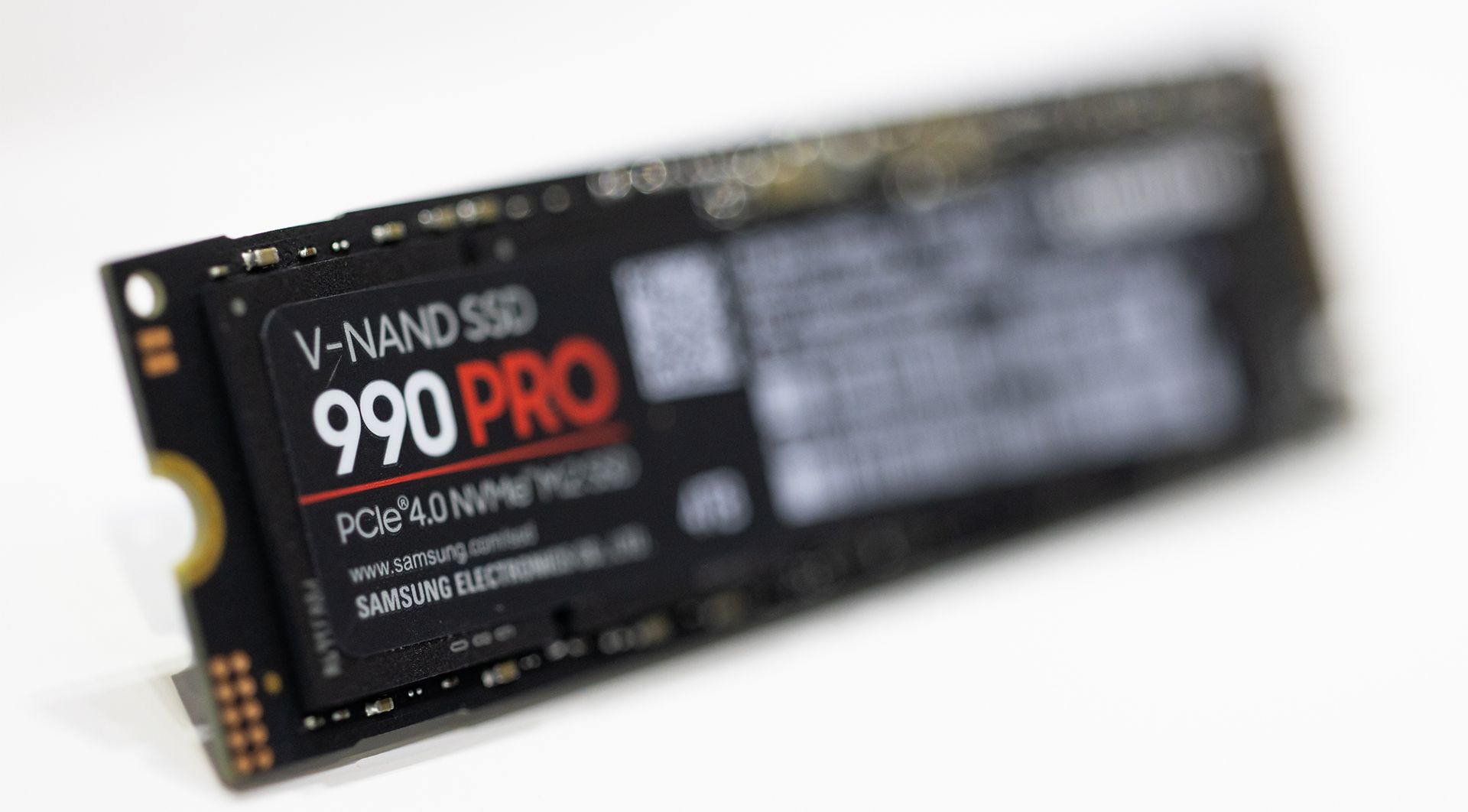
Microsoft delivered a native NVMe driver for Windows Server (Windows Server 2025) that enthusiasts have been able to enable on Windows 11 25H2 via registry tweaks, removing NVMe-to-SCSI command conversion and lowering storage latency. Early benchmarks show material gains in random I/O — e.g., AS SSD score rise of ~13% on an SK hynix Platinum P41 (2TB) with 4K/4K-64Thrd random-write gains of ~16–22%, and an extraordinary reported 85% random-write improvement on a Crucial T705 (4TB) — though sequential gains are modest and third-party SSD utilities may be incompatible, so the change is most consequential for enterprise/server workloads rather than typical consumer or gaming systems.
Market structure: Microsoft and makers of high-performance NVMe NAND (SK hynix, Micron, Samsung) are the primary beneficiaries because a native NVMe stack reduces CPU overhead and can raise random IOPS by ~16–85% in real workloads, increasing demand for enterprise-grade NVMe SKUs. Short-term losers include third‑party SSD utility vendors (Samsung Magician, WDC Dashboard) and legacy RAID/HBA vendors whose value-add is reduced; HDD-centric exposure (WDC’s legacy business) remains structurally challenged. Competitive dynamics: this lowers the software friction for NVMe adoption in server/storage stacks, enhancing pricing power for premium NVMe drives but only meaningfully if Microsoft ships a certified Windows 11/Server kernel driver broadly — adoption gating remains the limiting factor.
Risk assessment: biggest tail risks are operational (bugs/data-corruption from an unsupported registry hack), enterprise inertia (procurement cycles), and vendor compatibility failures that could delay adoption by 6–18 months; regulatory/antitrust risk is low. Time windows: measurable consumer anecdotal gains in days/weeks; enterprise adoption and measurable revenue impact likely 3–18 months; durable demand shifts for flash suppliers are a 12–36 month story. Hidden dependencies include OEM firmware support, backup/management tool compatibility, and Azure/Hyper‑V certification — any of which can stall purchasing despite technical gains. Catalysts: Microsoft formal release to mainstream Windows 11, Azure instance SKU updates, OEM driver certification, and large SI benchmarks (Dell/HP/VMware) will accelerate commercial adoption.
Trade implications: tactical direct play is a modest long in MSFT (2–3% portfolio) over 6–12 months to capture Azure/Server margin upside and platform lock‑in benefits; pair with a modest underweight/short of WDC (1–2%) to express HDD secular decline and Dashboard fragility. Options: consider a 9–15 month call-bull spread on MSFT (buy 1y+ call, sell higher strike) to limit cost while capturing upside tied to adoption milestones; avoid binary short-dated bets on SSD names until OEM certification signals. Sector rotation: increase allocation to Semiconductor/Memory (NVMe suppliers) by 2–4% at the expense of HDD & legacy storage hardware; trim boutique SSD utility vendors and small-cap storage tools providers. Enter after Microsoft confirms mainstream Windows 11 rollout or Azure NVMe SKU announcement; set stop-loss at 6–8% for equity trades and hedge with small put protection for option exposures.
Contrarian angles: consensus is over‑playing a consumer performance story and under‑estimating enterprise upside — if enterprises adopt at scale (>=30% Windows Server NVMe-enabled instances in 12–24 months), enterprise NVMe ASPs could rise 3–6% and boost flash OEM revenue materially. Reaction may be underdone for memory/flash suppliers and overdone for consumer-facing storage utilities; historical parallels (Linux IO_uring gains) show technical gains can take multiple quarters to become revenue, so expect a lag between benchmarks and earnings. Unintended consequences include slower third‑party tool innovation, potential class‑action risk from failed updates, and fragmentation that could temporarily depress OEM upgrade cycles; monitor shipment ASPs, Server revenue growth, and Azure storage efficiency improvements over the next 90–180 days as concrete triggers.
AI-powered research, real-time alerts, and portfolio analytics for institutional investors.
Request DemoOverall Sentiment
mildly positive
Sentiment Score
0.25
Ticker Sentiment
