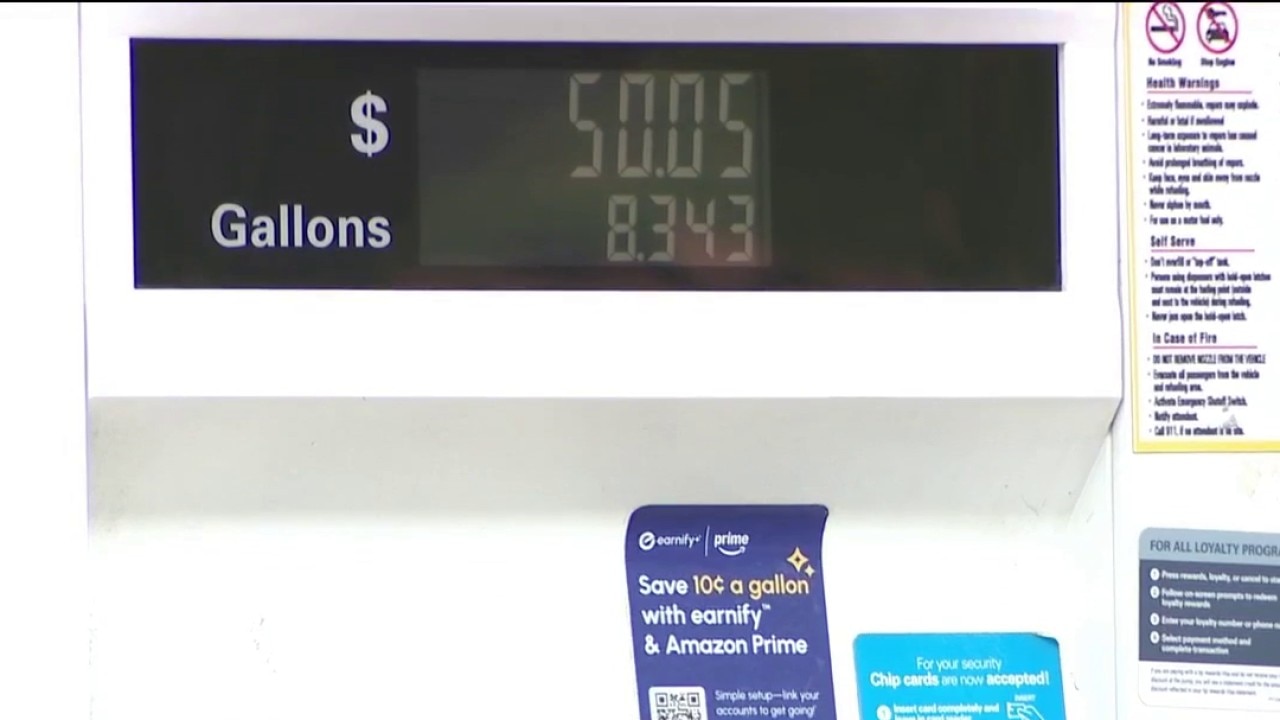
Gasoline prices in Chicago jumped by as much as 20 cents per gallon, with regular reaching $5.99 and premium $7.19 at one BP station. AAA says U.S. gas prices are at their highest level in four years, driven by tensions between the U.S. and Iran and disruptions in the Strait of Hormuz, through which about 20% of global oil flows. The spike is pressuring consumers and drivers, including rideshare and delivery workers, who are cutting back or avoiding work.
This is a near-term tax on discretionary mobility, but the more important second-order effect is on labor supply in gig delivery and ride-hailing. For platforms like DASH, elevated pump prices compress per-trip economics faster than they can reprice consumer fees, which tends to show up first as lower driver availability, longer ETAs, and weaker order completion before it shows up in reported revenue. That creates a subtle but material demand risk: customers may not abandon delivery outright, but they will shift to smaller baskets, fewer rush orders, and more pickup substitution, all of which hit take-rate and contribution margin. The market is likely underestimating how quickly high fuel prices can choke off marginal gig supply when the workforce is highly spot-priced and low-balance-sheet. This is not a multi-year structural issue yet; it is a weeks-to-months operational stressor that can reverse quickly if crude pulls back or if local station spreads normalize. The key catalyst for a relief trade is not simply geopolitics easing, but any combination of weaker risk assets, demand destruction signals, or policy-driven supply response that cools gasoline volatility and restores driver economics. From a competitive standpoint, the biggest beneficiary is not necessarily another delivery app but direct retail substitution: grocery pickup, quick-service curbside, and smaller-radius local merchants with owned fleets or better batching density. If gas stays elevated, DASH faces a two-sided squeeze versus restaurants with captive labor and national chains that can internalize delivery costs. The contrarian takeaway is that the headline impact on consumers may look modest, but the behavioral response from drivers can be nonlinear; once tank economics cross a pain threshold, service quality can deteriorate abruptly before volume data catches up.
AI-powered research, real-time alerts, and portfolio analytics for institutional investors.
Overall Sentiment
mildly negative
Sentiment Score
-0.35
Ticker Sentiment
