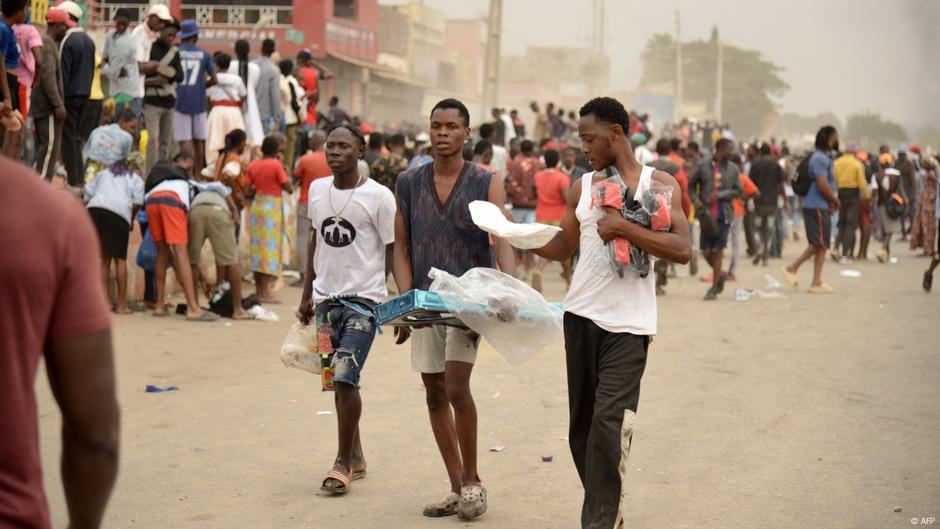
Angola's capital, Luanda, experienced deadly protests with over 500 arrests and four fatalities after the government removed fuel subsidies, hiking diesel prices by one-third. The unrest, marked by looting and vandalism, reflects deep public anger over rising living costs, inflation, and perceived government mismanagement and corruption in the oil-producing nation, signaling escalating social and political instability.
The removal of fuel subsidies in Angola has triggered significant social and political instability, culminating in deadly protests, over 500 arrests, and four fatalities in the capital, Luanda. This fiscal consolidation measure, which increased diesel prices by a third, has exposed deep-seated public anger over broader economic hardships, including severe inflation and a high cost of living. The situation is exacerbated by a crisis of governance; despite being a major African oil producer, the country suffers from profound economic mismanagement, evidenced by a youth unemployment rate near 60% and high levels of child malnutrition. Systemic corruption remains a core impediment to progress, as reflected by Angola's low score of 32/100 on the Transparency International corruption index and historical scandals like the 'Luanda Leaks'. The government's decision to respond with a crackdown rather than dialogue, coupled with calls for a change in leadership, signals a highly volatile political environment and elevates the sovereign risk profile.
AI-powered research, real-time alerts, and portfolio analytics for institutional investors.
Request DemoOverall Sentiment
extremely negative
Sentiment Score
-0.80
