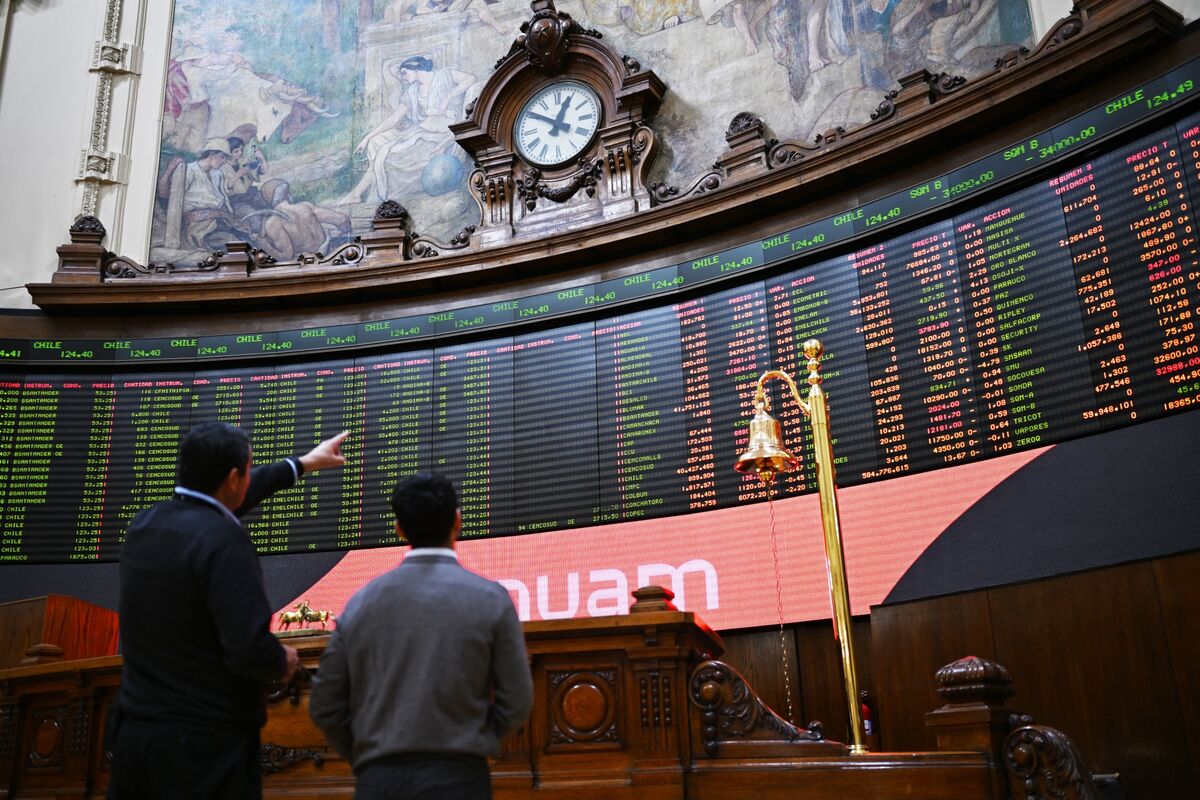
Chilean financial markets are predominantly pricing in a victory for ultra-conservative presidential candidate Jose Antonio Kast, with a Bloomberg survey revealing nearly 80% of analysts and traders believe this outcome is already factored into assets. This market sentiment indicates investors are largely unfazed by the rise of a communist contender, effectively dismissing that political risk and signaling confidence in a more predictable political trajectory.
Chilean financial markets are exhibiting a strong consensus regarding the upcoming presidential election, with a Bloomberg survey of 28 analysts and traders indicating that nearly 80% believe a victory for ultra-conservative candidate Jose Antonio Kast is already partially or fully priced into local assets. This positioning demonstrates that investors are largely discounting the political risk associated with the communist contender, Jeannette Jara, effectively treating a Kast win as the base-case scenario. The survey results, showing no perceived chance of victory for Jara or center-right candidate Evelyn Matthei being reflected in asset prices, highlight a significant level of market conviction. This collective sentiment suggests that current market stability is predicated on this specific electoral outcome, with investors appearing unfazed by alternative political possibilities.
AI-powered research, real-time alerts, and portfolio analytics for institutional investors.
Request DemoOverall Sentiment
moderately positive
Sentiment Score
0.50
Ticker Sentiment
