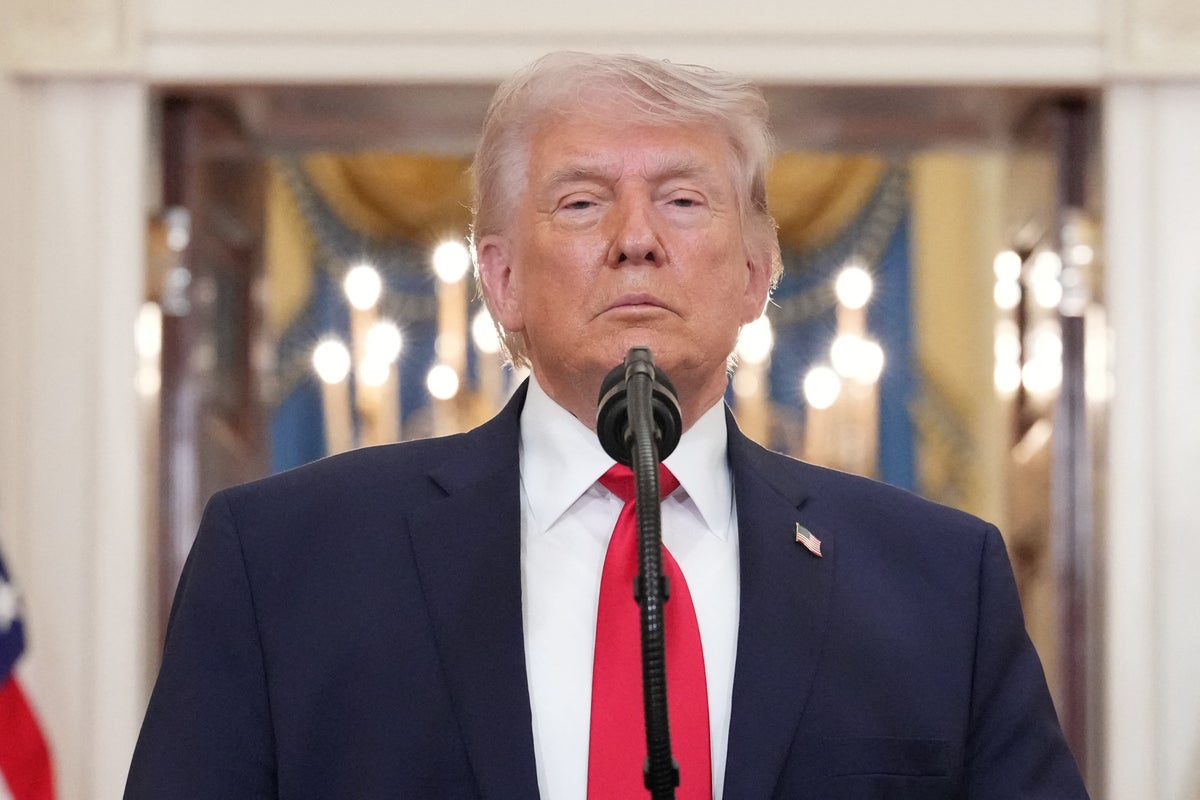
A U.S. weapons officer from an F-15E shot down in Iran was rescued after a multi-day search described as involving hundreds of troops and dozens of warplanes, President Trump announced; the aircraft's pilot was rescued earlier. The conflict has resulted in at least 13 U.S. service members killed and over 300 injured, while one source reports civilian deaths in Iran of at least 1,616; two transport planes were destroyed to prevent capture. The successful rescue reduces an immediate humanitarian unknown but the wider escalation and reported strikes raise significant geopolitical risk. Expect near-term risk-off market behavior, elevated volatility, upside pressure on defense stocks and potential upward pressure on oil and safe-haven assets.
The current kinetic environment materially raises the price of optionality for forward-deployed ISR, SAR, and precision-strike capabilities — a structural tailwind for prime defense contractors with integrated air systems, sustainment footprints, and classified-platform backlog. Expect multi-year revenue and margin benefits concentrated in avionics, targeting pods, secure comms, and logistics/sustainment contracts where incumbents have high switching costs; a 5–10% incremental budget reallocation toward these lines could lift sector EPS by mid-teens over 12–24 months.
Near-term markets should price a risk-off premium: safe-haven assets, energy risk premia, and defense equities typically rerate within days while cyclicals and travel/transport names reprice to reflect insurance and rerouting costs. Watch implied volatility across energy and aerospace sectors — a sustained move in Brent/WTI or a persistent rise in aviation hull/war-risk premiums over 2–6 weeks will be the clearest trigger for re-allocation from growth cyclicals into defense and energy hedges.
Second-order supply-chain effects favor domesticized and single-source suppliers of specialized avionics, secure radios, and turbine sustainment parts; subcontractors that win small-dollar, high-frequency sustainment work can see outsized cash-flow improvements even if primes take headline awards. Politically, heightened military messaging strengthens the likelihood of bipartisan support for near-term supplemental appropriations — this increases execution risk (program timing) but improves long-term visibility on funding for multi-year programs.
Primary reversal catalysts are diplomatic de-escalation, a demonstrable cap on collateral costs, or explicit limits on new supplemental spending driven by domestic political backlash; these could compress risk premia within 4–12 weeks. Conversely, broader escalation or attacks on energy infrastructure would push the scenario from tactical to strategic, extending the premium in defense and energy for years and validating longer-dated, convex option exposure in these sectors.
AI-powered research, real-time alerts, and portfolio analytics for institutional investors.
Request DemoOverall Sentiment
mildly negative
Sentiment Score
-0.25
Ticker Sentiment
