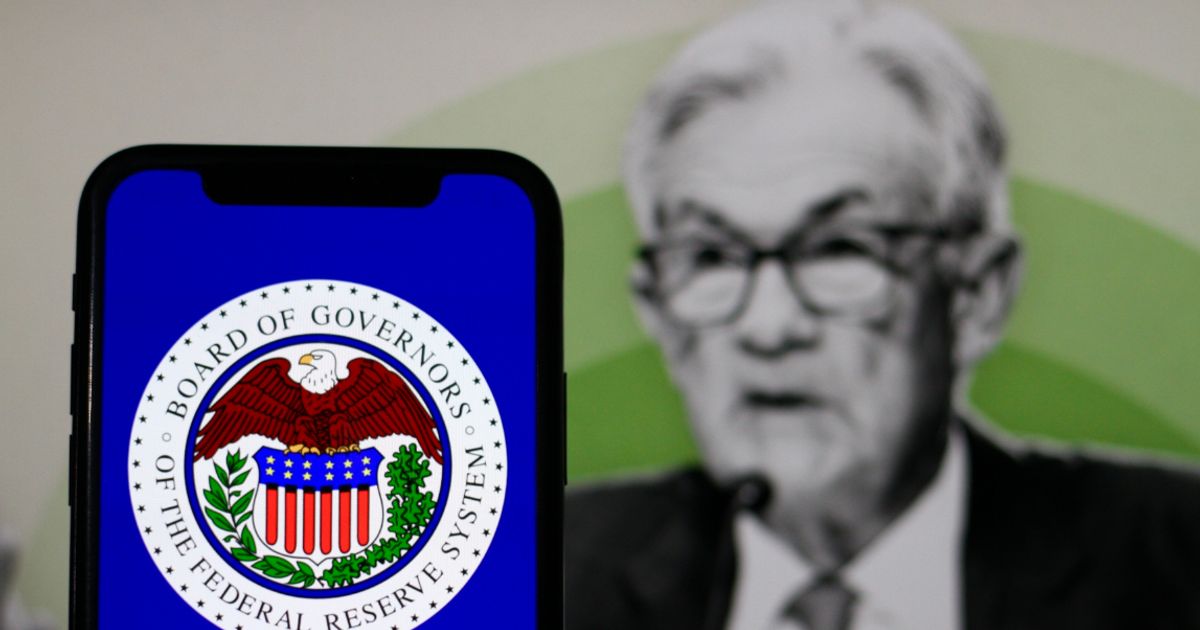
Federal Reserve Chair Jerome Powell, in his final Jackson Hole address, signaled a potential shift towards interest rate cuts, citing a rebalancing of risks that includes slowing economic growth, weakening labor market indicators (e.g., average 35,000 monthly job gains), and a revised policy framework. Despite core PCE inflation at 2.9%, Powell's dovish remarks, which Deutsche Bank interprets as likely leading to 25 basis point cuts in September, December, and March, spurred significant market optimism. Equities surged, with the Dow gaining 2.1% and the S&P 500 up 1.6%, while the dollar depreciated, reflecting investor anticipation of forthcoming monetary easing.
Federal Reserve Chair Jerome Powell signaled a significant dovish pivot at the Jackson Hole symposium, suggesting imminent interest rate cuts as the central bank rebalances its risk assessment. This evolving policy stance is underpinned by clear signs of economic deceleration, including a sharp slowdown in average payroll growth to just 35,000 over the last three months from 168,000 in 2024, and a decline in H1 GDP growth to 1.2%. While core PCE inflation remains above target at 2.9%, Powell's commentary focused more on the downside risks to employment, framing the restrictive policy stance as potentially needing adjustment to support growth. The Fed has also formalized this shift by abandoning its 2020 "makeup" inflation strategy and clarifying that labor market risks are now viewed symmetrically. This dovish tone, which Deutsche Bank analysts interpreted as signaling 25 basis point cuts in September, December, and March, catalyzed a strong risk-on rally. The S&P 500 surged 1.6% and the Dow gained 2.1%, while the U.S. dollar depreciated, sending gold up 1% to approximately $3,415 per ounce, reflecting investor conviction in forthcoming monetary easing.
AI-powered research, real-time alerts, and portfolio analytics for institutional investors.
Overall Sentiment
strongly positive
Sentiment Score
0.75
Ticker Sentiment
