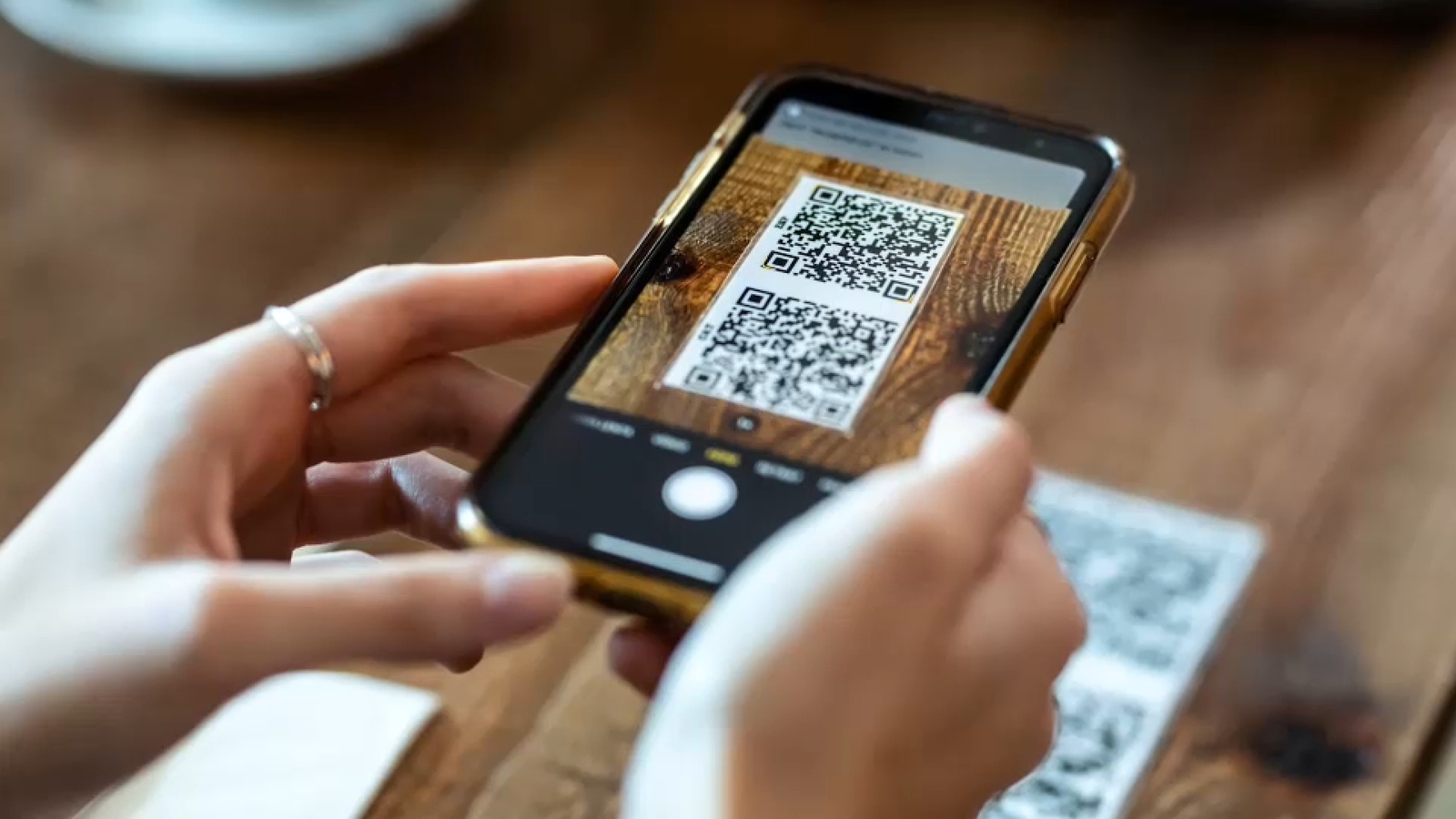
Scammers are embedding fake QR codes in unsolicited package deliveries as part of “brushing” schemes to harvest personal data or install malware when consumers scan them. Syniverse security expert Michael Bordash warns these codes can appear legitimate while linking to malicious content, posing operational and reputational risks for retailers, payment processors and logistics providers and potentially driving incremental cybersecurity and fraud-mitigation costs.
Market structure: QR-code "brushing" and fake-QR malware are micro drivers that increase demand for endpoint/mobile security, identity/fraud products, and network-level protection sold to carriers and large retailers. Expect incremental budget reallocation: +5–15% security spend at mid-market retailers and logistics providers over 6–12 months, benefiting cloud-native security vendors and MSSPs while increasing costs for small merchants who may lose consumer trust.
Risk assessment: Near-term (days–weeks) this is a reputational/consumer scare with limited macro impact; medium-term (3–12 months) regulatory scrutiny (FTC, state AGs) and higher cyber-insurance premiums are plausible tail risks that could force disclosures and litigation. Hidden dependencies include handset OS vendor fixes (Apple/Google) that could blunt vendor TAM; a major breach tied to QR abuse could trigger outsized stock moves (-20%+ for exposed retailers) within 30–90 days.
Trade implications: Direct alpha likely in specialty cyber names and ETFs (e.g., HACK) and in identity/fraud analytics providers (OKTA/CRWD/ZS/PANW) as enterprises accelerate zero‑trust/URL-scanning rollouts; small retailers and payment processors with thin fraud tech stacks are relatively exposed. Options can express convexity: buy 3–6 month call spreads on leaders to cap premium outlay while maintaining upside if guidance improves after holiday incident flow.
Contrarian angles: Consensus treats this as a consumer nuisance; undervalued is the commercial opportunity for carriers and MSSPs to offer QR-authentication-as-a-service (monetizable by VZ/T/large MSPs) and for insurers to tighten underwriting. Reaction could be overdone in single-event sell-offs for retailers—use pair trades to isolate security-premium re-rating rather than pure retail risk.
AI-powered research, real-time alerts, and portfolio analytics for institutional investors.
Request DemoOverall Sentiment
moderately negative
Sentiment Score
-0.35
