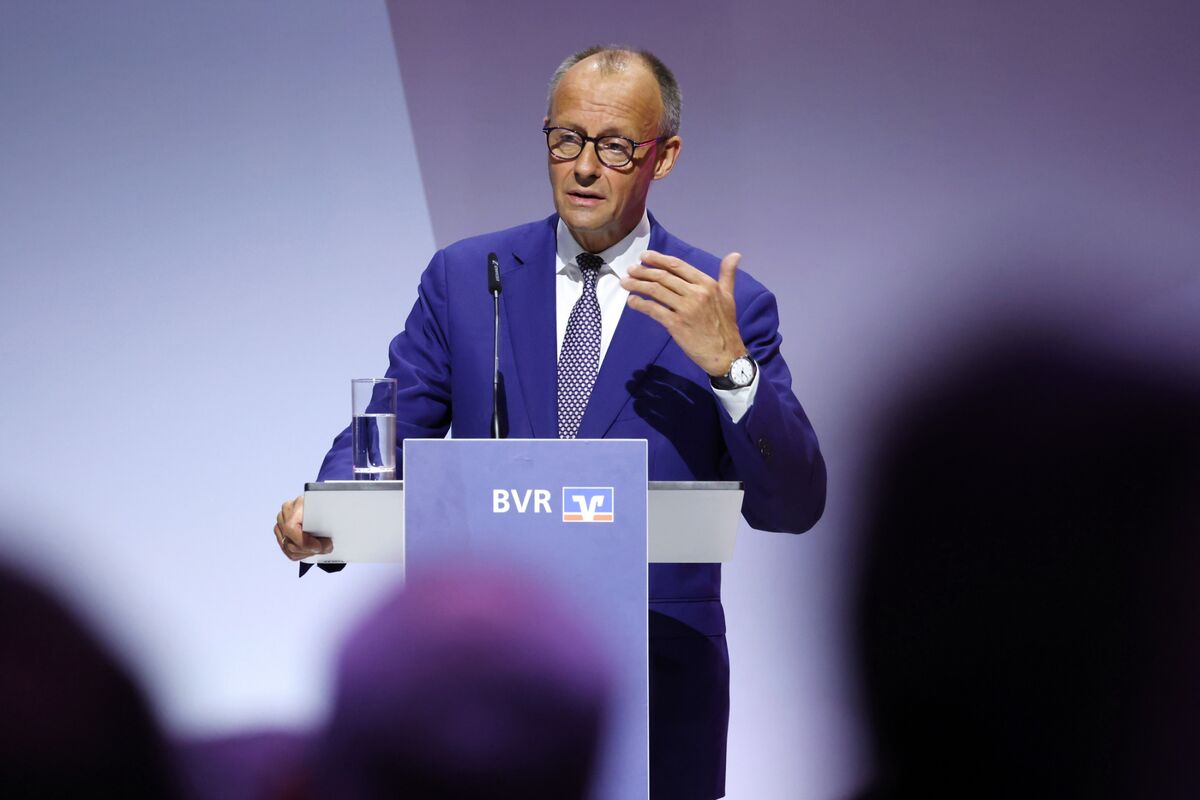
German Chancellor Friedrich Merz reiterated Germany's firm opposition to a joint European Union deposit insurance scheme, asserting there is "absolutely no reason to pool functioning liability systems at the member-state level." This stance signals a significant hurdle for deeper financial integration within the bloc, a measure large banks view as essential for fostering closer financial ties across the EU.
German Chancellor Friedrich Merz has reaffirmed Germany's firm opposition to a joint European Union deposit insurance scheme, a critical and long-debated component of the EU's Banking Union. By stating there is "absolutely no reason to pool functioning liability systems," Merz signals that the political stalemate over this issue will persist, creating a significant hurdle for deeper financial integration. This stance directly counters the objectives of large European banks, which view a common deposit guarantee as essential for creating a level playing field and reducing the link between national banks and their respective sovereigns. The defensive tone and moderately negative sentiment associated with this news reflect the market's perception that the Eurozone's financial architecture remains incomplete and fragmented, leaving banks in more vulnerable member states without the backstop of a pooled EU-wide system and perpetuating systemic risk.
AI-powered research, real-time alerts, and portfolio analytics for institutional investors.
Request DemoOverall Sentiment
moderately negative
Sentiment Score
-0.40
