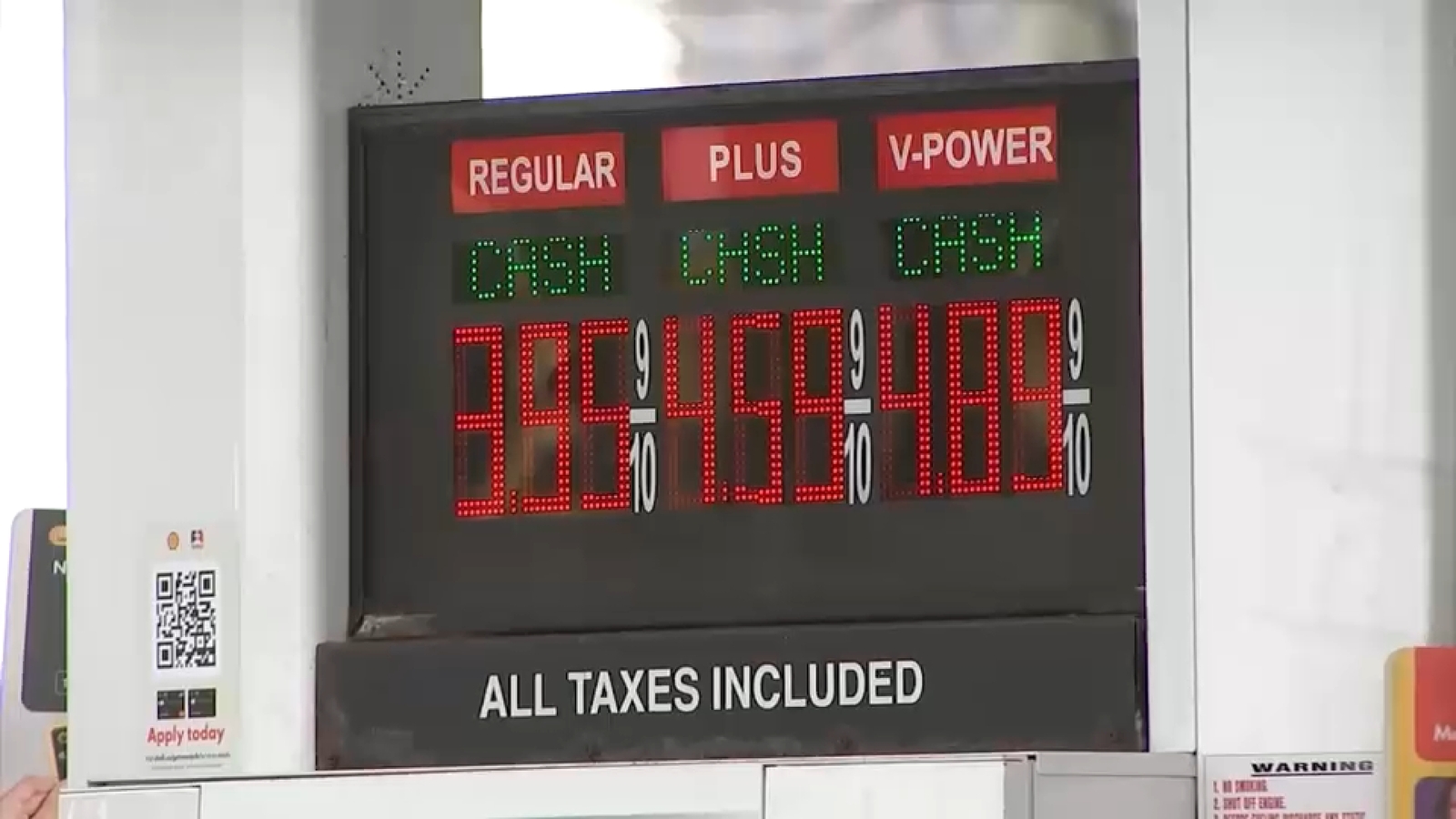
Crude plunged from $117/bbl to below $95/bbl (≈$22, ≈19%) after President Trump announced a ceasefire that could reopen the Strait of Hormuz, which had impeded ~20% of global oil flows. Markets reacted immediately and positively, but consumers still face high pump prices (NY >$4/gal) and anecdotal transport-cost pain (deliveryman costs doubled); airlines are adding checked-bag fees and Amazon imposed a 3.5% shipping surcharge. If the ceasefire holds, crude should ease further, but historically there is a lag before lower oil prices pass through to retail gasoline and consumer prices.
Downstream margins and service providers—not just crude producers—are the asymmetric short-term beneficiaries when geopolitical risk premiums retrace. Refiners and last-mile carriers capture immediate P&L improvement because input costs roll through quickly to wholesale and contract rates, whereas retail pump prices and consumer goods pass‑through are governed by inventory lags, retail pricing stickiness, and multi-month contract resets.
Expect a staggered transmission: corporate operating leverage shows up within weeks for unhedged transport and logistics firms, but headline inflation and consumer-facing ticket/gasoline relief typically take 1–3 months to appear in official prints and 2–6 months to reach the broad retail price base. Hedging books and fixed fuel surcharges create dispersion across peers—airlines with low hedge ratios and delivery firms with spot fuel exposure see earlier margin relief than fully-hedged competitors.
Key reversal risks are concentrated and short-term: a return of shipping-lane or sanction risk, an OPEC+ policy pivot, or a string of refinery outages could re-inflate spreads within days. On a medium horizon (3–12 months) the bigger macro swing is through core inflation: sustained lower energy-driven input costs materially reduce the odds of further rate hikes and are a multi-sector tailwind for high-duration equities if realized and persistent.
Given the uneven pass-through, alpha comes from pairing exposures across the value chain and time. Target names with high operating leverage to fuel, low hedging, and visible pricing power on the customer side; avoid or short firms where fuel is a minor cost or where management will retain surcharges even as inputs normalize, creating reputational drag and demand elasticity risks.
AI-powered research, real-time alerts, and portfolio analytics for institutional investors.
Request DemoOverall Sentiment
mildly positive
Sentiment Score
0.15
Ticker Sentiment
