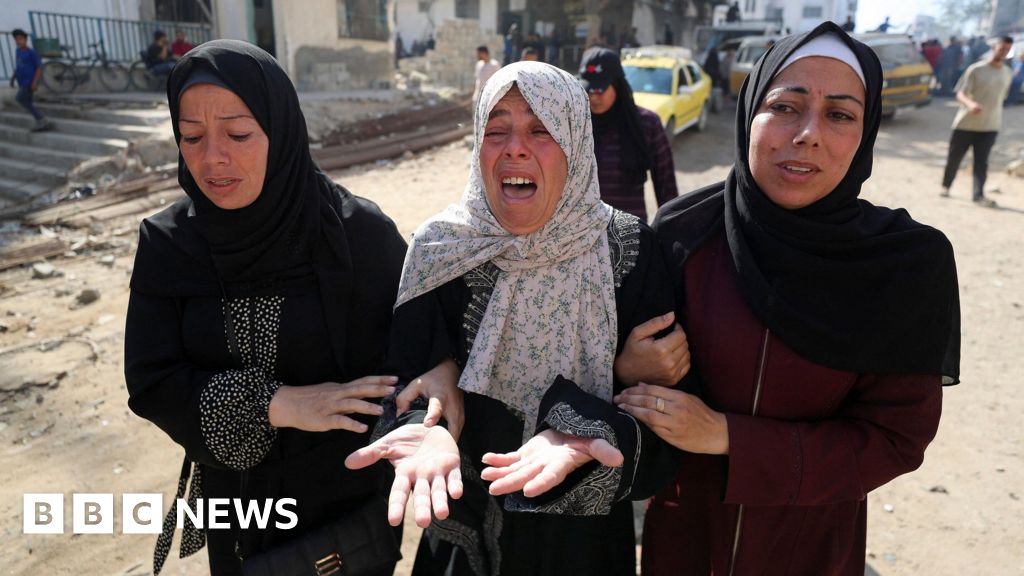
Israeli strikes in Gaza killed at least 81 and injured over 400 in 24 hours, according to the Hamas-run health ministry, with multiple incidents resulting in significant civilian casualties in areas housing displaced persons. While Israel states it targets threats and announced the killing of a senior Hamas military leader, these events underscore persistent regional instability and the severe humanitarian crisis. Ceasefire negotiations remain stalled despite international mediation efforts, including US involvement, indicating continued uncertainty regarding de-escalation and the conflict's duration.
The ongoing conflict in Gaza continues to represent a significant source of regional instability, underscored by the latest report of 81 Palestinian fatalities in a 24-hour period from Israeli strikes. While the Israel Defense Forces (IDF) maintain a focus on military targets, citing the elimination of a senior Hamas figure, reports of substantial civilian casualties in areas housing displaced persons highlight a severe and worsening humanitarian crisis. Critically for investors, ceasefire negotiations remain stalled despite international mediation efforts involving the US and Qatar. The collapse of a previous ceasefire in March and the current impasse signal that a near-term resolution is unlikely, perpetuating geopolitical uncertainty. Domestic political pressure within Israel, evidenced by rallies calling for a hostage deal, adds another layer of complexity to the situation. Although the provided signals indicate a neutral market impact for this specific update, the persistent nature of the conflict sustains a tail risk of wider escalation, which could rapidly affect global markets.
AI-powered research, real-time alerts, and portfolio analytics for institutional investors.
Request DemoOverall Sentiment
neutral
Sentiment Score
0.00
