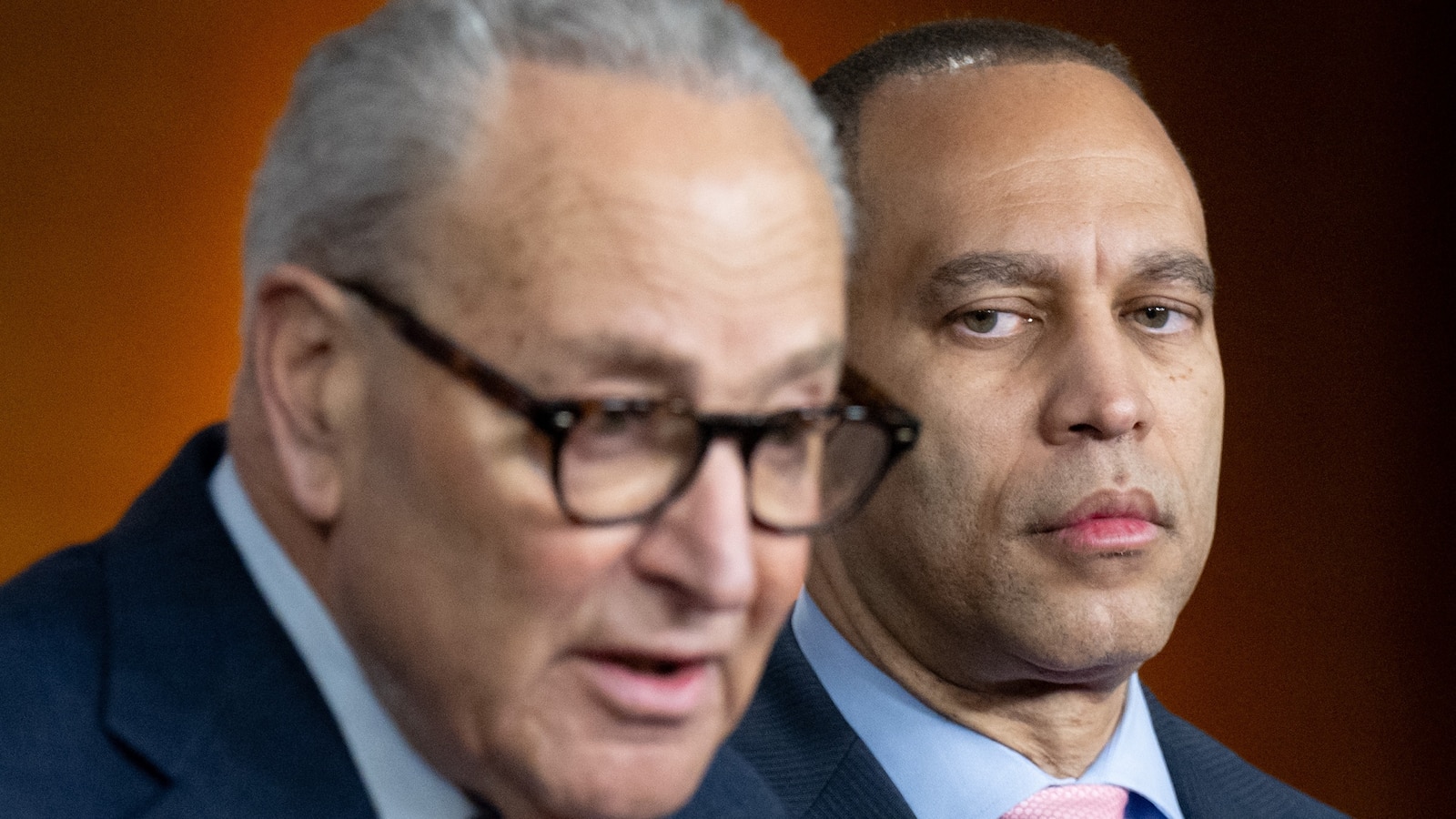
The House advanced a procedural vote (221-205) to clear the floor for a planned Thursday vote on a three-year extension of enhanced Affordable Care Act premium tax credits after nine Republicans joined Democrats. The subsidies, which were expanded during the COVID-19 response and expired at the end of 2025, currently reach about 22 million of 24 million marketplace enrollees; the CBO estimates the extension would raise the federal deficit by roughly $80.6 billion over the next decade while increasing insurance coverage by 100,000 in 2026, 3 million in 2027, 4 million in 2028 and 1.1 million in 2029 (with detailed shifts across marketplace, Medicaid/CHIP, nongroup and employer coverage). Passage remains uncertain in the Senate, where leaders say there is little appetite for an extension absent reforms, and negotiators are hashing out fraud fixes and politically sensitive provisions such as Hyde-related abortion funding language.
Market structure: A multiyear extension of enhanced ACA subsidies disproportionately helps exchange-focused insurers and brokers by expanding marketplace enrollment (~+6.2M by 2028 per CBO) and lowering churn; direct beneficiaries (tickers to watch) are Centene (CNC) and Oscar Health (OSCR) and PBMs/retail insurers with exchange footprints (CVS, CI marginal). Employers and carriers skewed to employer-sponsored commercial lines (UnitedHealth UNH, some large TPAs) face a modest demand shift (CBO: -2.1M employer-covered) that can compress commercial pricing power and recalibrate risk pools over 12–36 months.
Risk assessment: Immediate tail risks are procedural (Senate rejection, Hyde riders) in the next 7–30 days; medium-term (3–12 months) risks include fraud-reform compliance costs that could shave 2–5% off near-term margins for exchange operators. Hidden dependencies include state-level plan design, risk-adjustment mechanics and enrollee morbidity mix — adverse selection could materialize if healthier workers move off employer plans. Key catalysts: Senate working-group text (expected 7–14 days), CBO score updates and White House/GOP leadership signals.
Trade implications: Tactical long exposure to CNC and OSCR (3–6 month horizon) captures upside if passage occurs; finance a small hedge by shorting UNH or buying UNH puts to protect against bill failure. Options strategy: buy 3–6 month CNC 10/20% OTM call spreads (size 1–2% portfolio) and buy protective 3-month UNH puts (delta ~0.25) sized to cap downside. Rotate 2–4% overweight into managed-care vs 1–2% underweight large commercial-focused insurers; enter within 48 hours post-House vote, re-evaluate at Senate text/CBO update (~14 days).
Contrarian angles: Market consensus underestimates regulatory/compliance drag — fraud-provisions could raise SG&A for exchange players and compress EBITDA by mid-single digits over 12 months, so pure long exposure without hedges is underpriced. If Hyde riders are attached or the Senate fails to act, downside is material (probability >40% in some GOP scenarios), so size positions assuming ~50% pass probability and scale up only after concrete Senate language. Historical parallels (prior subsidy fights) show acute volatility but limited long-term re-rating unless accompanied by structural risk-adjustment changes.
AI-powered research, real-time alerts, and portfolio analytics for institutional investors.
Request DemoOverall Sentiment
neutral
Sentiment Score
-0.05
