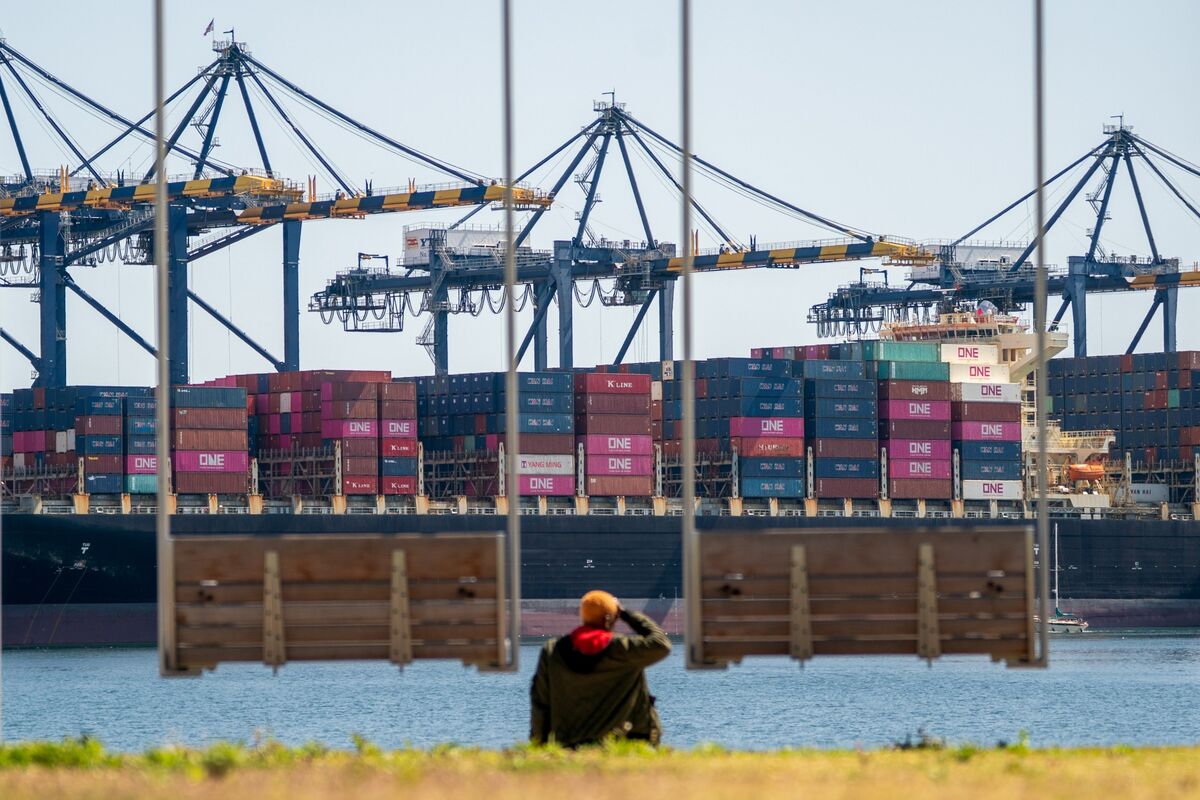
U.S. tariff revenue reached a record $23 billion in May, a 270% increase year-over-year, contributing to a reduced budget deficit for the month. The surge in customs duties reflects the impact of tariffs imposed under the Trump administration, though the sustainability of these inflows is uncertain amid ongoing trade negotiations and legal challenges.
U.S. customs duties reached an unprecedented $23 billion in May, reflecting a substantial $17 billion, or 270%, increase year-over-year, as reported by the Treasury Department. This surge in tariff revenue played a direct role in narrowing the U.S. budget deficit for the month. The increase is attributed to levies implemented under the Trump administration. However, the persistence of these elevated revenue inflows remains uncertain, clouded by ongoing trade negotiations with international partners and a significant judicial challenge to the tariffs. The 'mixed' sentiment and 'uncertain' tone associated with this development underscore the precariousness of relying on these duties as a stable, long-term fiscal solution, despite their immediate positive impact on the deficit.
AI-powered research, real-time alerts, and portfolio analytics for institutional investors.
Request DemoOverall Sentiment
mixed
Sentiment Score
0.10
