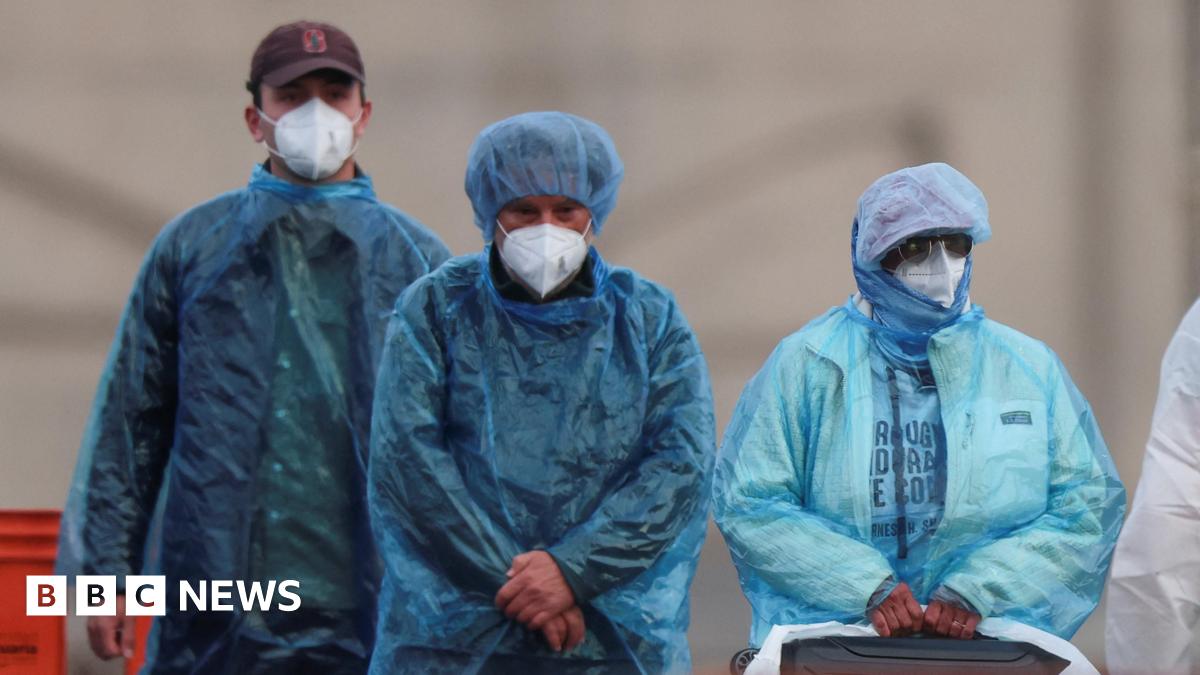
The MV Hondius outbreak has now produced at least 7 confirmed hantavirus cases, 2 suspected cases and 3 deaths, with additional passengers and crew still being repatriated or quarantined. Authorities said the WHO recommends 42 days of isolation, while the ship’s operator reported 27 people remain onboard, including 25 crew members and 2 medical staff. The event is a significant health and travel incident, likely affecting cruise and repatriation logistics more than broader markets.
This is not a generic travel headline; it is a high-salience biological-event shock that can hit the cruise complex through a different channel than the market usually prices. The direct loss here is limited to one vessel, but the second-order damage is reputational: booking curves for expedition and small-ship operators can soften quickly because customers are disproportionately affluent, risk-aware, and willing to cancel early. That matters more than near-term occupancy because the category depends on premium pricing and high advance deposits, which makes sentiment shock flow through cash conversion faster than in mass-market cruising. The larger read-through is to operators with itineraries in remote environments and those exposed to Latin America-origin sailings, where medical evacuation logistics are harder and regulatory responses can become fragmented by jurisdiction. Insurers are also the hidden pressure point: even if this is not systemic, repeated outbreak coverage can tighten underwriting on medical evacuation, trip interruption, and voyage disruption clauses, raising costs for the whole niche. Expect a short-term spike in precautionary health screening and itinerary adjustments, but the actual threat to the sector is margin compression from higher compliance and cancellation friction over the next 1-2 quarters, not a broad demand collapse. The contrarian view is that the market may over-discount this into all cruise operators when the true exposure is concentrated in expedition/luxury operators with smaller, high-touch vessels. Larger mainstream lines have better onboard medical capacity, more standardized operations, and a lower perceived outbreak beta, so the selloff there would likely be a better entry point than in the directly implicated subsegment. The risk to that view is a second, unrelated cluster on another ship or within a repatriation cohort, which would extend the headline risk window from days to weeks and force a broader de-risking across travel names.
AI-powered research, real-time alerts, and portfolio analytics for institutional investors.
Request DemoOverall Sentiment
strongly negative
Sentiment Score
-0.75
