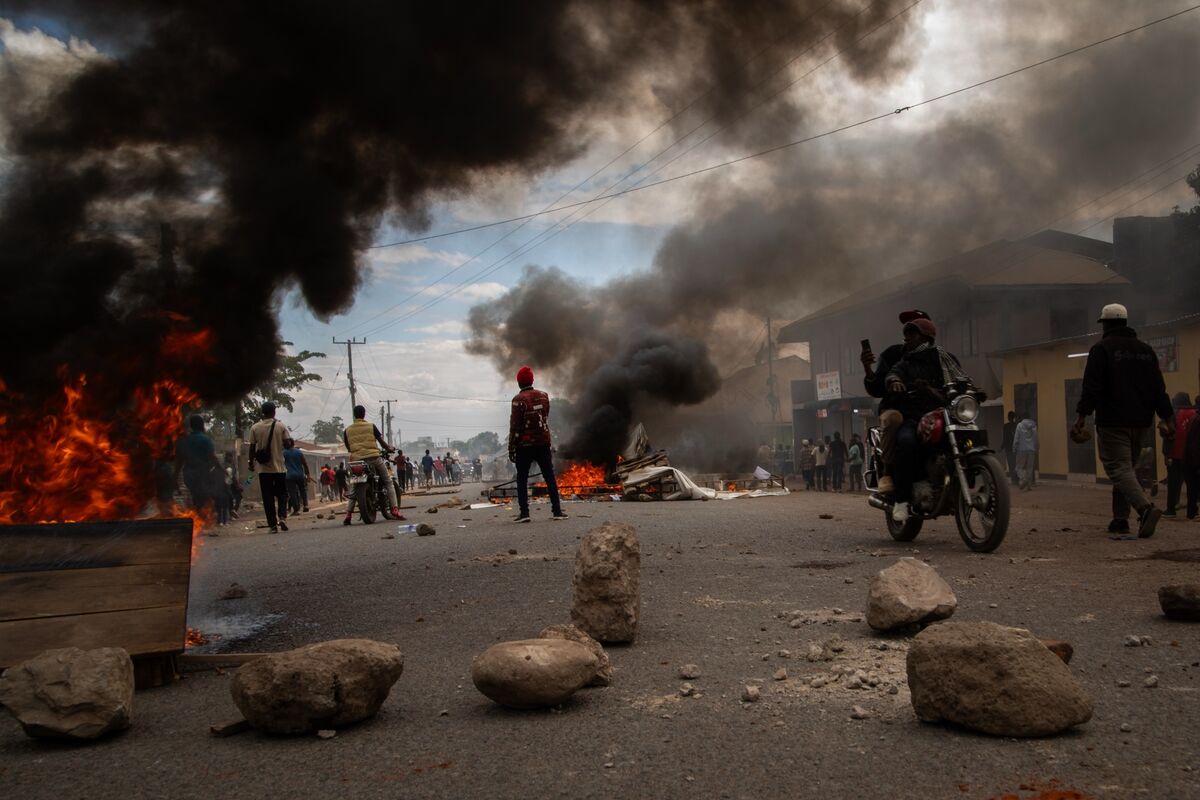
Tanzania is experiencing significant post-election unrest, with Amnesty International reporting approximately 100 deaths following an election where major opposition candidates were barred, and incumbent President Samia Suluhu Hassan is poised for an overwhelming victory with around 97% of the vote. This political environment, marked by violence and the exclusion of opposition, signals heightened political risk and potential instability in the country.
Tanzania is experiencing significant post-election unrest, with Amnesty International reporting approximately 100 fatalities following a contentious election. Incumbent President Samia Suluhu Hassan is set to secure a second term with an overwhelming 97% of the vote from 120 of 272 constituencies, a result facilitated by the electoral authorities barring major opposition candidates. This outcome signals a consolidation of power amidst a backdrop of civil unrest.
The exclusion of key opposition parties and the subsequent violence introduce substantial political risk and instability within Tanzania. This environment is likely to deter foreign direct investment and could negatively impact investor confidence in the country's economic outlook. Such political developments often lead to concerns regarding policy predictability and governance quality, which are critical factors for institutional investors.
AI-powered research, real-time alerts, and portfolio analytics for institutional investors.
Request DemoOverall Sentiment
neutral
Sentiment Score
0.00
