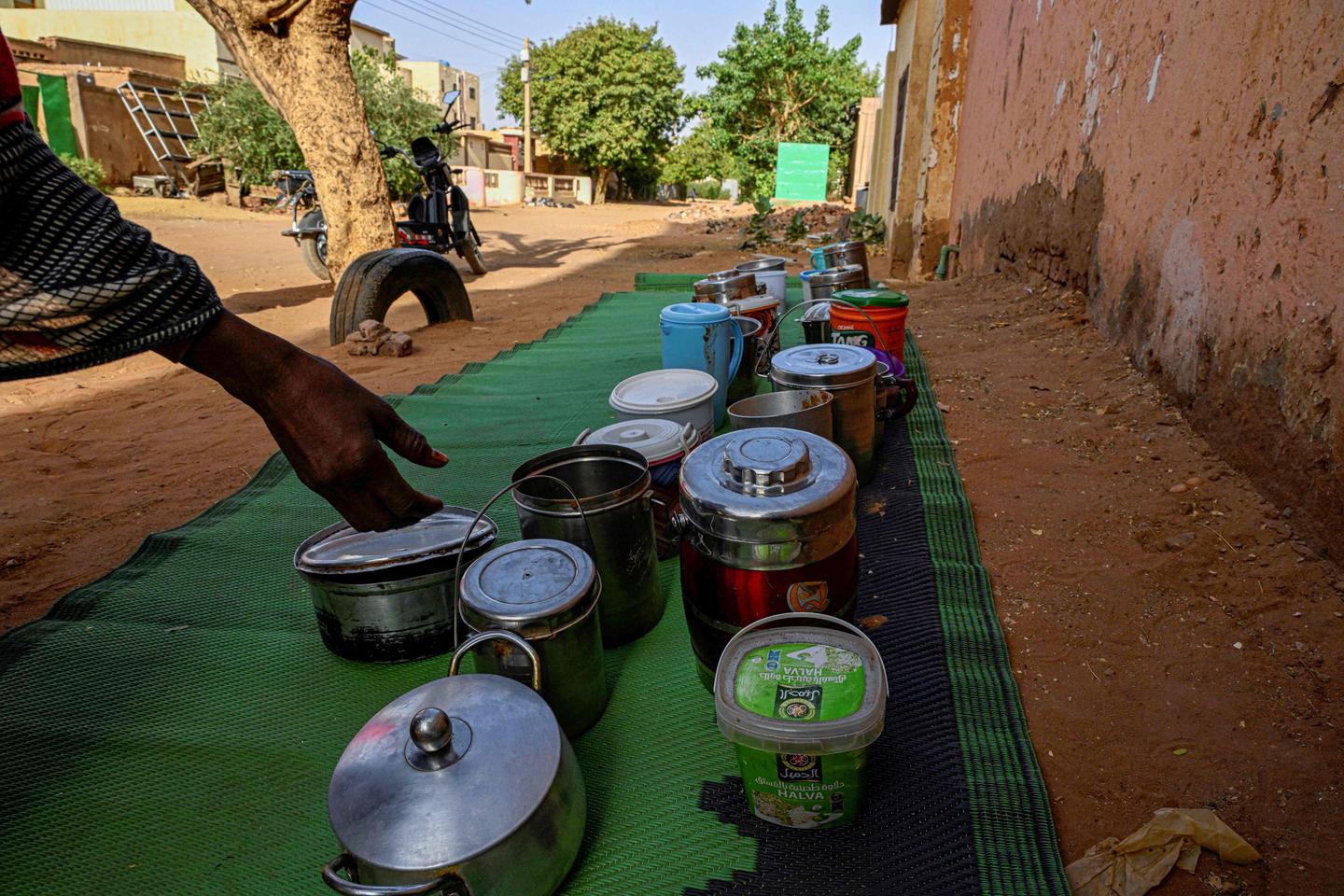
Around 266 million people in 47 countries or territories faced high levels of acute food insecurity last year, with two-thirds concentrated in just 10 countries and famine confirmed in Gaza and parts of Sudan for the first time in the report's 10th edition. Conflict remains the main driver, while climate extremes and the Middle East war are worsening conditions and pushing fertilizer costs higher amid disruption to oil-based inputs and the Strait of Hormuz risk. The report warns that sharply lower international aid and ongoing conflict could leave the 2026 outlook bleak.
The investable takeaway is not just higher food insecurity; it is a margin squeeze chain that starts with energy and fertilizer and propagates into EM sovereign stress, agribusiness, and consumer staples. When conflict risk lifts both diesel and nitrogen input costs simultaneously, the most fragile balance sheets are smallholder-heavy economies and fertilizer importers, not the obvious food exporters. That creates a two-speed market: pricing power for global agricultural inputs and defensives, but rising default and FX pressure in frontier and low-income EM over the next 1-3 quarters.
The second-order effect is on planting economics. If fertilizer remains elevated into the current planting window, farmers typically respond by cutting application rates before they cut acreage, which lowers yields with a lag rather than immediately. That means the negative surprise is likely to hit harvest data later in the year, making this a slower-burn supply shock that can keep grains and softs bid even if headlines fade.
The market is likely underestimating how much aid withdrawal amplifies volatility rather than simply reducing humanitarian consumption. Less external support shifts demand risk onto local governments and importers, raising the probability of capital controls, subsidy changes, and emergency grain buying sprees that create episodic price spikes. The tail risk is not just higher global food prices; it is disorderly local currency weakness in vulnerable importers and a wider spread between benchmark agricultural prices and delivered local food inflation.
Contrarianly, the headline may be too broad to justify a clean long in the whole ag complex. The better expression is relative value: long the picks-and-shovels of food production and transport, while fading highly exposed EM consumers and importers. If energy normalizes or a diplomatic de-escalation reopens key shipping lanes, the fastest reversal will be in fertilizer and freight, but agronomic damage from reduced application would still linger for a full crop cycle.
AI-powered research, real-time alerts, and portfolio analytics for institutional investors.
Request TrialOverall Sentiment
strongly negative
Sentiment Score
-0.72
