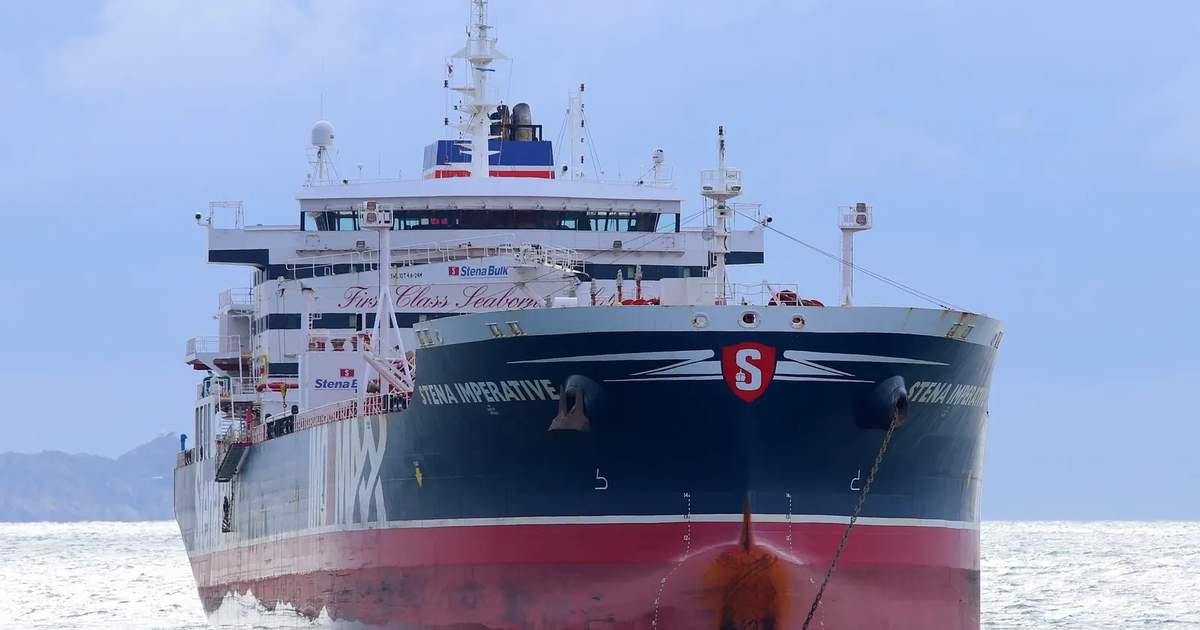
A U.S.-flagged tanker, the Stena Imperative, was approached and hailed by multiple small armed boats of the Iranian Revolutionary Guards in the Strait of Hormuz roughly 16 nautical miles north of Oman; the vessel increased speed, did not enter Iranian waters per MarineTraffic, and is now being escorted by a U.S. warship en route to Sitrah, Bahrain (arrival Feb. 5). UKMTO warned vessels to transit with caution while Iran’s Fars agency denied the account, and the episode comes amid IRGC threats to close the strait, recent Iranian naval exercises and a US naval deployment of roughly ten warships — developments that elevate short-term geopolitical risk to oil/LNG flows and shipping through the strategic chokepoint.
Market structure: Immediate winners are defense contractors (LMT, NOC, GD), energy producers and tanker owners benefiting from higher freight rates and insurance premiums; losers are airlines, tourism, and energy‑intensive industrials through fuel cost pass‑through. Pricing power shifts to major oil producers (OPEC+ resilience) and insurance/re-insurance firms; small midstream players could see margin pressure if tanker routes re-route for weeks. Cross‑asset: expect a near‑term commodity shock (oil + gold), US rates up on inflation re‑pricing, USD safe‑haven flows, and equity sector dispersion (energy/defense up vs travel/transport down).
Risk assessment: Tail risk includes a temporary closure of the Strait (15–20% of seaborne oil flows disrupted) producing a >15% move in Brent in days and a geopolitical escalation invoking sanctions or naval losses. Time horizons: immediate (days) high volatility; short term (1–3 months) elevated oil and insurance costs; long term (quarters) depends on diplomatic outcome—sustained premium if tensions persist. Hidden dependencies: insurance market capacity, bunker fuel supply chains, and refinery feedstock imbalances; catalysts are the scheduled talks (end of week) and any maritime incident.
Trade implications: Construct directional oil/energy and defense exposure with strict stops—target 1–3% portfolio notional per idea and re‑evaluate at 5–10% price moves. Use options to cap downside: buy 3‑month call spreads on oil or XLE to limit cost; hedge duration by cutting long TLT/IEF and favor 2‑year notes. FX: tilt +1–2% to UUP (USD) or cash if oil spikes >7%.
Contrarian angles: Consensus may underweight shipping insurance and rerouting costs—container and tanker rates could remain elevated for months, benefiting owners (FRO) and insurers; markets often overshoot oil in first 72 hours then mean‑revert, creating an opportunity to sell short‑dated volatility (sell call spreads) after an outsized initial spike. Historical parallels (2019/2020 Hormuz incidents) show 30–40% retracements within 2–8 weeks after diplomatic de‑escalation—plan exits accordingly.
AI-powered research, real-time alerts, and portfolio analytics for institutional investors.
Request DemoOverall Sentiment
moderately negative
Sentiment Score
-0.50
