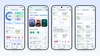
Google is rebranding the Fitbit app into the Google Health app starting May 19, adding centralized health data, expanded device/app integrations, medical record syncing in the US, and Gemini-powered coaching. The company also introduced Google Fitbit Air and a Google Health Premium subscription to unlock deeper insights. The update is supportive for Google’s health-platform strategy, though the immediate market impact is likely limited.
This is less a consumer-app refresh than a data-asset consolidation play. The strategic value is not in the UI; it is in collapsing fragmented wellness, device, and clinical data into a single identity layer that can feed Gemini-powered coaching, improve personalization, and raise switching costs. That tends to favor the platform owner over standalone wearable vendors because the monetization path shifts from one-time hardware margin to recurring software and data retention, with a longer-duration ARPU uplift if premium attach rates improve. The second-order winner is likely the ecosystem moat around Android/Pixel Watch, not just Fitbit-branded devices. If users increasingly get utility from cross-device aggregation and medical-record summarization, rival wearables face a harder retention problem because they must compete against both hardware and an embedded AI layer. The losers are point solutions in fitness and wellness apps that rely on being the default dashboard; over 6-18 months, this kind of integration usually compresses engagement for niche apps unless they own a uniquely defensible community or coaching use case. The main risk is privacy/regulatory friction: the more the product leans into medical records and AI summaries, the more scrutiny rises around data governance, consent, and model hallucination in health contexts. Any misstep could slow adoption or force product throttling in the US and Europe, which matters because the initial upside likely depends on premium conversion and habitual use over the next 2-4 quarters. A subtler risk is that the coaching layer could be good enough to keep users engaged but not good enough to justify incremental payment, leaving monetization below expectations even if usage rises. Consensus may be underestimating how defensive this is for Google’s hardware and ecosystem economics. Even modest conversion of free users into premium subscribers or Pixel Watch buyers can be meaningful because the feature bundle raises the value of owning the stack, while the marginal cost of AI coaching can be spread across a very large user base. The market may focus on headline AI rather than the more important effect: higher lifetime value per user and lower churn across devices and subscriptions.
AI-powered research, real-time alerts, and portfolio analytics for institutional investors.
Request DemoOverall Sentiment
mildly positive
Sentiment Score
0.42
Ticker Sentiment
