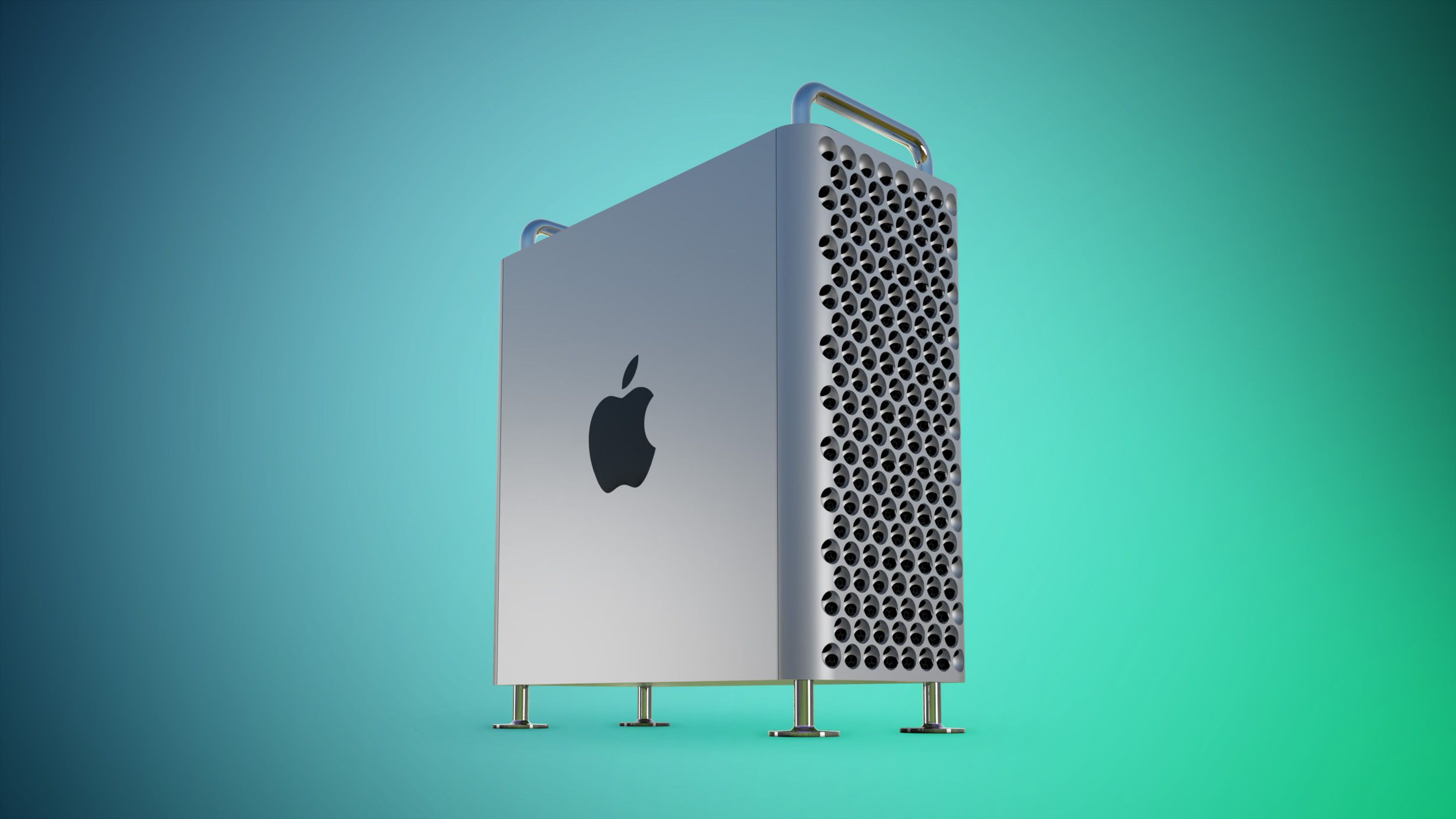
Apple discontinued the Mac Pro after nearly 20 years and removed several product configurations: Mac Studio's 512GB RAM option was eliminated (maximum now 256GB) and the 14-inch MacBook Pro with 512GB storage was discontinued as the 14-inch now starts at $1,699 (up $100 from the prior $1,599 512GB base). Apple also retired the Pro Display XDR (previously $4,999 plus a $999 Pro Stand) in favor of the smaller 27-inch Studio Display XDR with mini‑LED, 120Hz, Thunderbolt 5 and a $3,299 starting price that includes a stand. Apple cited memory‑chip supply pressure as a likely cause for the Mac Studio RAM change, and it additionally pulled prior-generation iPad Air, MacBook Air and other SKUs — a product-line consolidation likely to have limited near-term impact on markets.
Apple’s decision to prune high-density and legacy pro SKUs is a classic inventory & allocation play: constrained scarce DRAM/LPDDR capacity is being steered away from low-volume, high-bill-of-material configurations toward higher-throughput SKUs and products where ASP/margin tradeoff is clearer. That flow magnifies near-term upside for suppliers of high-density memory and mini‑LED components because a small number of high-capacity SKUs consume disproportionate wafer/module supply; expect DRAM contract pricing to stay elevated for several quarters until supplier capex and node transitions absorb excess demand.
Second-order winners are enterprise/workstation incumbents and professional GPU vendors — a subset of Mac Pro users will migrate to Windows/Linux workstations where PCIe GPUs and discrete memory are the norm, lifting ASPs for NVIDIA/AMD and Dell/HP over the next 6–18 months as corporate upgrade cycles pick up. Conversely, certain niche high-end peripheral vendors that competed on raw specs (very large pro displays, exotic stands) lose pricing power as Apple consolidates premium display demand into a single higher-margin product.
Key risks and catalysts: memory oversupply from accelerated fab ramp or aggressive OEM inventory drawdown would quickly reverse supplier gains (timing: 3–12 months). Apple could reintroduce modular pro hardware or offer enterprise leasing/MBAs to recapture pro workflows, which would blunt workstation migration. The consensus is focused on product cuts as a demand signal; the underappreciated effect is SKU rationalization lifting per-unit gross margins and reallocating scarce components in a way that benefits memory and component suppliers more than headline unit counts imply.
AI-powered research, real-time alerts, and portfolio analytics for institutional investors.
Request DemoOverall Sentiment
mixed
Sentiment Score
0.00
Ticker Sentiment
