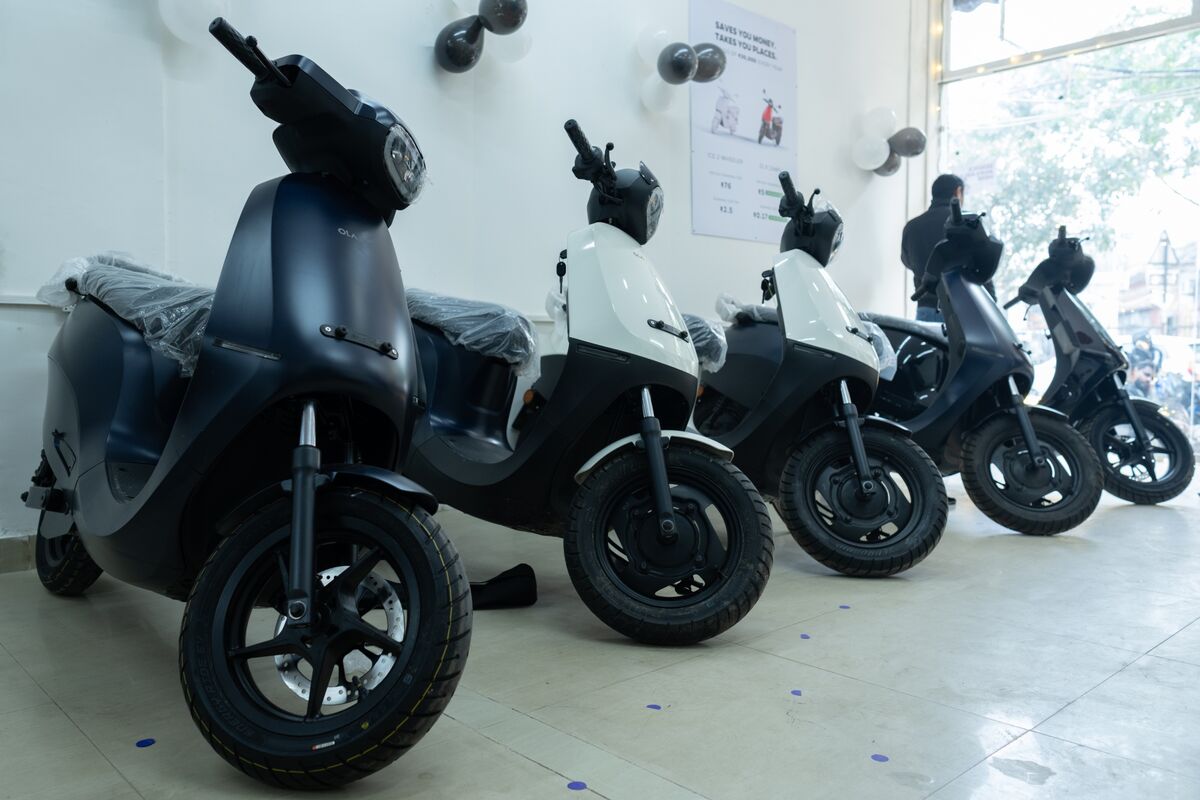
Ola Electric, the SoftBank-backed electric-scooter maker whose IPO drew over four times subscribed demand last year, is struggling to secure financing despite a strategic push into home battery storage. The company is contending with shrinking market share, relentless cash burn and a near 53% year-to-date share-price decline, and has been turned down by multiple financiers while talks with some investors remain ongoing, raising material funding and execution risks for equity holders.
Market structure: Ola’s funding stress directly benefits incumbent OEMs and established battery suppliers with healthy margins (e.g., Tata Motors (TTM), Exide Industries (EXIDEIND.NS)) while hurting small-cap EV pure-plays and local gig financing platforms. Expect increased price competition in urban scooter segments—market-share shifts of 5–15% toward incumbents over 6–12 months if Ola cuts production or discounts heavily. On cross-assets, expect widening credit spreads on India high‑yield corporates, higher implied volatility in small‑cap EV names, modest negative FX pressure on INR if SoftBank liquidates, and only marginal near‑term impact to global lithium prices (Ola’s share of demand is small).
Risk assessment: Tail risks include a supplier payment freeze or insolvency filing within 3–6 months (high impact), or a forced SoftBank stake sale that pressures Indian small‑cap indices; regulatory recalls on safety could force large warranty provisions. Immediate (days) effects: share volatility and funding rejections; short‑term (weeks/months): accelerated cash burn and margin contraction; long‑term (12–24 months): the home‑battery pivot could work but requires ~INR 50–150bn capex and multi‑quarter customer traction. Hidden dependencies: cell supply (imports), state subsidy shifts, and dealer/service networks that determine aftersales economics. Key catalysts: monthly delivery trends, announced bridge financing (or lack thereof) within 30–90 days, and pilot metrics for the home battery product.
Trade implications: Direct short exposure to illiquid/small‑cap Indian EV pure‑plays is attractive; size 1–2% AUM via borrow or 3‑month ATM put spreads to limit cash use. Relative value: long diversified OEMs (TTM or TATAMOTORS.NS) and battery OEMs (EXIDEIND.NS) versus shorts in pure‑play scooter makers to capture a 20–40% relative re‑rating over 6–12 months. Options: buy 3‑month puts on small‑cap EVs; sell covered calls on TTM for income while holding the core long for 6–12 months. Rotate overweight to auto suppliers/aftermarket and underweight speculative EV retail names.
Contrarian angles: Consensus assumes permanent market-share loss for Ola, but the market may be underpricing the value of a successful home‑battery aftermarket (recurring revenue, >30% gross margins once scaled). If Ola secures bridge funding in next 30–60 days and posts delivery recovery >15% MoM, the 50%+ YTD decline could be an overreaction and allow a rapid 30–60% rebound. Historical parallels: selective recoveries occurred when financing and execution risks were resolved (e.g., 2019‑2020 restructurings), so monitor liquidity events closely to avoid getting squeezed on early shorts.
AI-powered research, real-time alerts, and portfolio analytics for institutional investors.
Request DemoOverall Sentiment
strongly negative
Sentiment Score
-0.65
