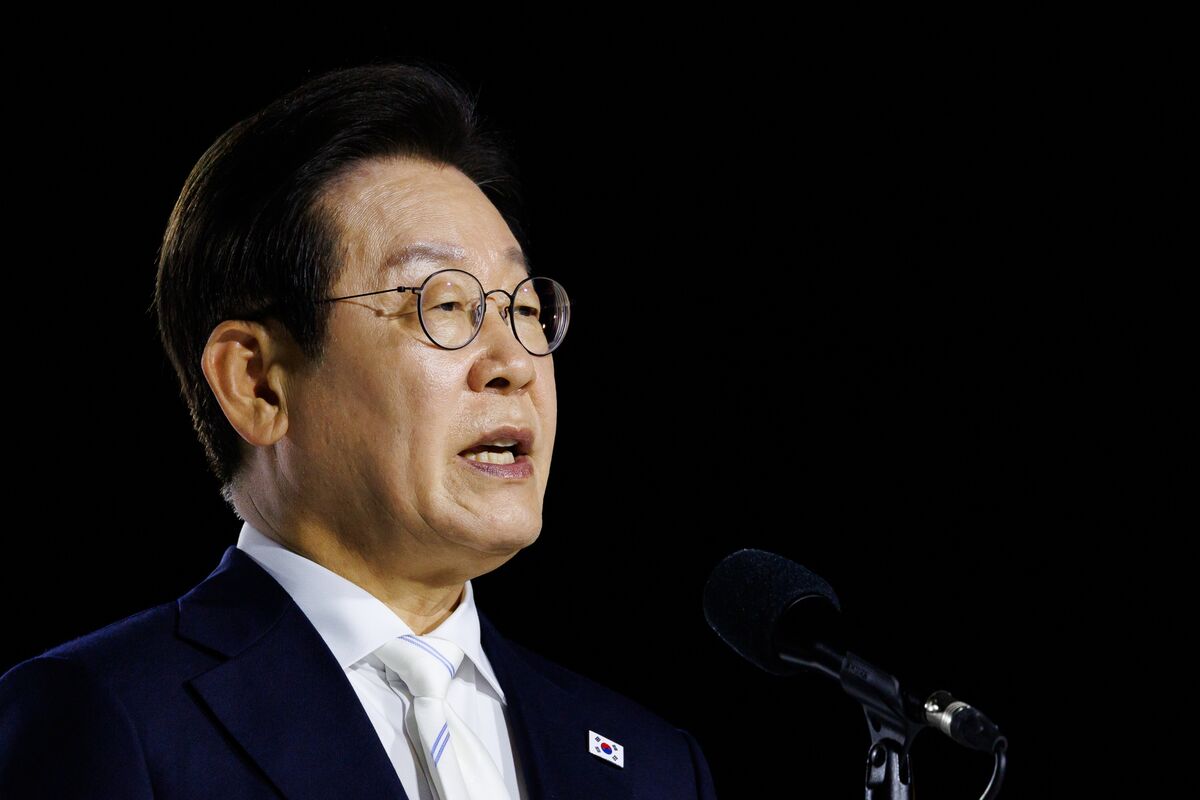
North Korea, through its official Korean Central News Agency, sharply criticized South Korean President Lee Jae Myung, labeling him a 'hypocrite seized with denuclearization paranoia' and his denuclearization efforts a 'naive dream.' This condemnation followed Lee's remarks during a US visit where he discussed joint denuclearization initiatives with President Trump, underscoring Pyongyang's persistent opposition to such efforts despite ongoing diplomatic engagements and highlighting continued geopolitical tensions on the peninsula.
North Korea has issued a sharp rebuke against South Korean President Lee Jae Myung, labeling his denuclearization efforts a "naive dream" and calling him a "hypocrite seized with denuclearization paranoia." This official statement, disseminated through the Korean Central News Agency, directly responds to President Lee's discussions with U.S. President Donald Trump in Washington, where they agreed to cooperate on the issue. The commentary underscores Pyongyang's entrenched opposition to denuclearization on terms proposed by Seoul and Washington, serving as a stark reminder of the significant diplomatic hurdles and persistent geopolitical tension on the Korean Peninsula. While the market impact score of 0.15 suggests this specific verbal exchange is not a significant market-moving event, it reinforces the baseline geopolitical risk premium associated with the region and highlights the fragility of diplomatic engagements.
AI-powered research, real-time alerts, and portfolio analytics for institutional investors.
Request DemoOverall Sentiment
neutral
Sentiment Score
0.00
