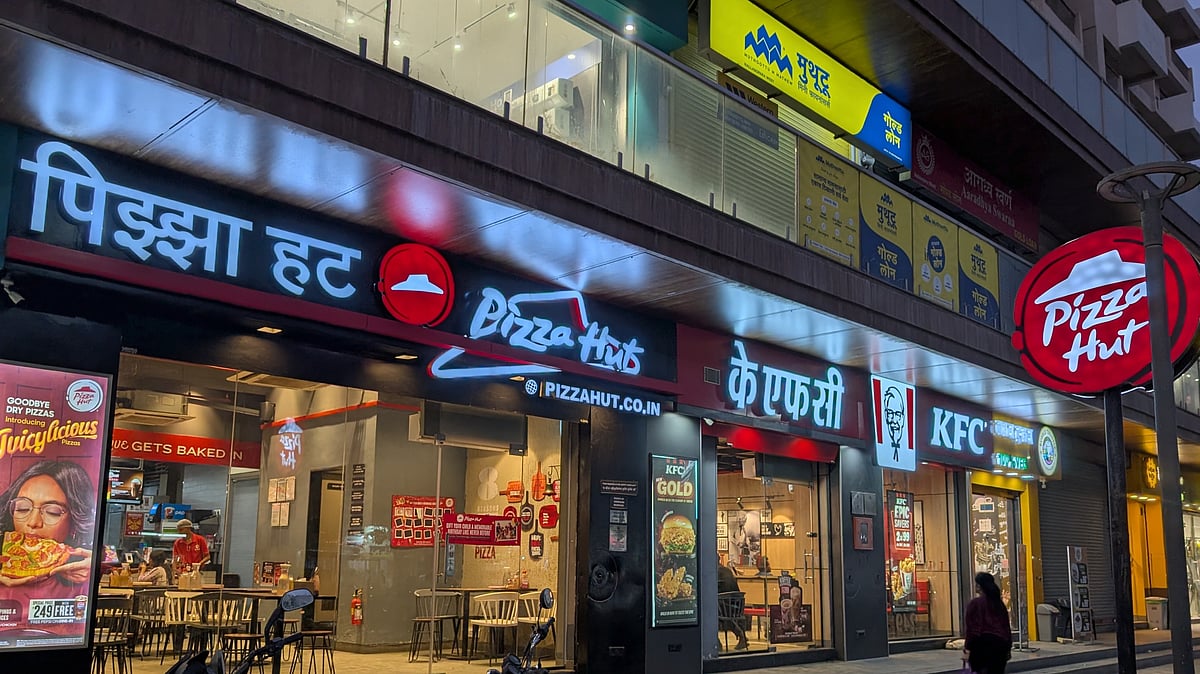
Sapphire Foods India and Devyani International have agreed a merger that will combine KFC, Pizza Hut and other Yum! brands in India; the approved swap ratio is 177 Devyani shares for every 100 Sapphire shares, and Devyani's promoter vehicle Arctic International will buy an 18.5% stake in Sapphire prior to the merger. The combined entity expects integration to complete in 15–18 months and forecasts annual synergies of Rs 210–225 crore from the second full year; DIL will also acquire 19 KFC restaurants in Hyderabad from Yum! India and pay a one-time licence/approval fee. The deal remains subject to stock exchange, Competition Commission of India, NCLT and shareholder/creditor approvals; DIL shares fell 0.35% to Rs 147.43 and Sapphire rose 2.20% to Rs 262.70 on the NSE on the announcement day.
Market structure: The merger centralizes KFC and Pizza Hut franchising in India under Devyani, creating scale benefits (procurement, rent leverage) and an expected synergy run‑rate of Rs 210–225 crore annually. The swap (100 Sapphire → 177 Devyani) implies 1 Sapphire ≈ 1.77×Rs147.43 = Rs260.8 versus Sapphire at Rs262.7 today (≈0.7% premium), so immediate arbitrage is small but consolidation improves pricing power for KFC nationwide and gives Pizza Hut a chance to restructure distribution and margins over 12–24 months. Cross assets: modest upward pressure on short‑term corporate debt issuance for capex; limited FX impact, but commodity (chicken, wheat/cheese) and supplier equities should feel increased negotiating pressure over 1–2 years.
Risk assessment: Key tail risks are CCI/NCLT blocking or onerous remedies (probability 10–25%), integration failure (execution risk over 15–18 months) and governance concentration after the 18.5% secondary stake to Arctic International (promoter control risk). Near term (days–weeks) expect volatility around official regulatory timelines (watch CCI filing window—typically 3–9 months); medium term (6–18 months) is integration and synergy realization; hidden dependencies include Yum! India licensing clauses and local franchisee contract covenants that could trigger disputes.
Trade implications: Primary actionable trades are merger arbitrage and volatility plays: small directional long in Devyani post‑clearance or long call‑spreads into CCI/NCLT windows; relative value trade is short Sapphire vs long Devyani if spread widens >4% (use 1.77 hedge ratio). For portfolios, overweight Indian QSR/franchise operators and underweight standalone pizza/casual‑dining chains that lack national scale; expect realized margin lift to materialize in year‑2 (15–18 months).
Contrarian angles: The market underestimates governance and anti‑trust execution risk—promoter secondary purchase concentrates control and could lower minority liquidity premia, not reflected in prices. The 210–225cr synergy number is real but small versus industry scale; if CCI imposes divestitures the upside evaporates quickly (high downside asymmetry). Historical parallels (EM QSR consolidations) show near‑term investor euphoria then multi‑quarter operational churn; favor measured risk arbitrage over large directional bets.
AI-powered research, real-time alerts, and portfolio analytics for institutional investors.
Request DemoOverall Sentiment
moderately positive
Sentiment Score
0.45
Ticker Sentiment
