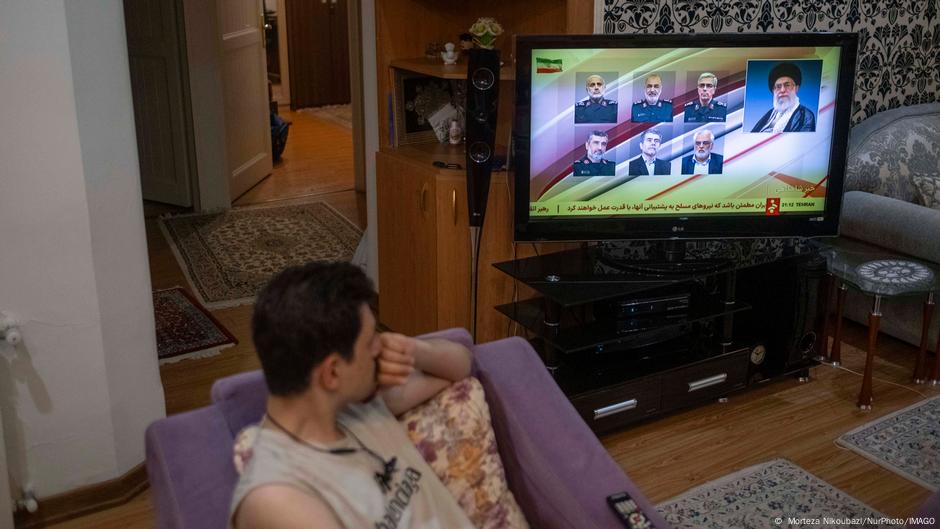
Amidst escalating conflict between Iran and Israel, questions arise regarding the stability of the Iranian regime, particularly following reported Israeli strikes and potential targeting of Supreme Leader Khamenei. While exiled experts suggest the regime's perceived ineffectiveness could trigger collapse, the fragmented opposition and lack of a unified political alternative pose significant challenges. Despite the regime's attempts to leverage nationalist sentiment, public sentiment remains uncertain as the West grapples with a divided approach and unclear strategy for potential regime change.
The escalating conflict between Iran and Israel, characterized by Israeli bombings and Iranian retaliatory strikes, has brought the stability of the Iranian regime into sharp focus. Supreme Leader Ayatollah Ali Khamenei's televised assertion that "Iran will not surrender" occurs amid speculation he could be personally targeted, following the recent killings of other high-ranking Iranian officials. This has prompted questions regarding the regime's ability to protect its leadership and national borders, with exiled sociologist Majid Golpour highlighting that the "absolute inefficiency of this regime has become apparent to the public." While Golpour suggests this perceived weakness could lead to a collapse, he emphasizes that such an outcome is contingent upon a viable political alternative, which is currently absent due to a fragmented opposition lacking "concrete plans, functioning coalitions and viable structures." The regime's attempts to leverage nationalist rhetoric to consolidate support are viewed with skepticism by analysts like Shahran Tabari, who doubts the public can be fooled by "staged nationalism," though underlying public sentiment beyond fear and anger is difficult to ascertain. The international community, particularly the West, appears divided, lacking a clear strategy for potential regime change, with figures like former US National Security Adviser John Bolton advocating for military intervention while President Trump reportedly remains hesitant. The situation reflects a moderately negative sentiment (-0.5) and an uncertain tone, with a market impact score of 0.6 underscoring the potential for broader market repercussions stemming from this geopolitical volatility.
AI-powered research, real-time alerts, and portfolio analytics for institutional investors.
Request DemoOverall Sentiment
moderately negative
Sentiment Score
-0.50
Ticker Sentiment
