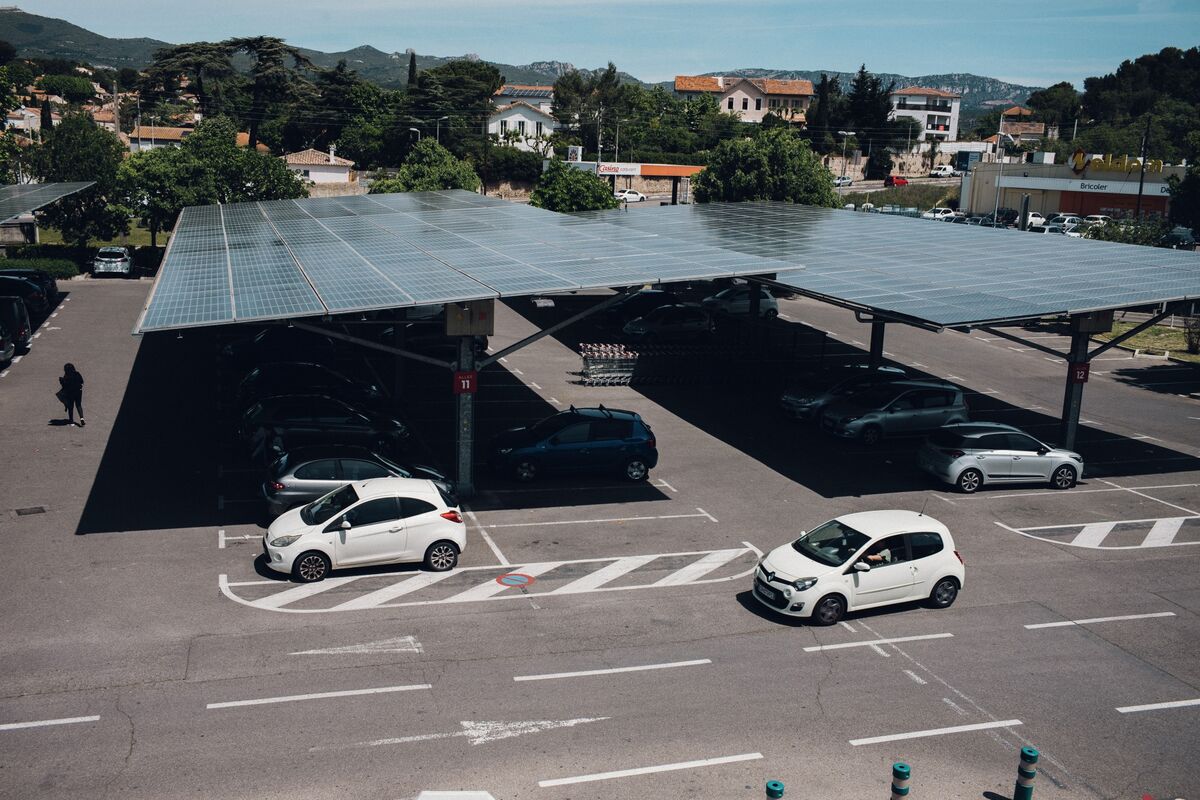
French power prices turned negative on Thursday as record solar output, reaching 19.5 gigawatts and meeting nearly 40% of national demand, flooded the grid with cheap electricity. This event, reported by grid operator RTE, highlights the increasing impact of high renewable penetration on wholesale electricity markets, presenting both opportunities and challenges for grid management and conventional power generation profitability.
France's electricity market experienced a significant pricing event, with wholesale power prices turning negative due to record-breaking solar generation. Solar output peaked at 19.5 gigawatts, supplying nearly 40% of the nation's demand, as reported by grid operator RTE. This massive influx of zero-marginal-cost electricity created a supply glut that overwhelmed demand, pushing spot prices below zero. The event is a clear manifestation of the increasing impact of renewable energy penetration on European power grids. While indicative of success in decarbonization efforts, it simultaneously highlights a structural challenge for the energy market: the profitability of conventional, dispatchable power sources is threatened, and grid stability requires more sophisticated management to handle the intermittency and peak production of renewables. This dynamic underscores the growing importance of grid-scale energy storage and flexible demand-response mechanisms to balance the system.
AI-powered research, real-time alerts, and portfolio analytics for institutional investors.
Request DemoOverall Sentiment
strongly positive
Sentiment Score
0.80
