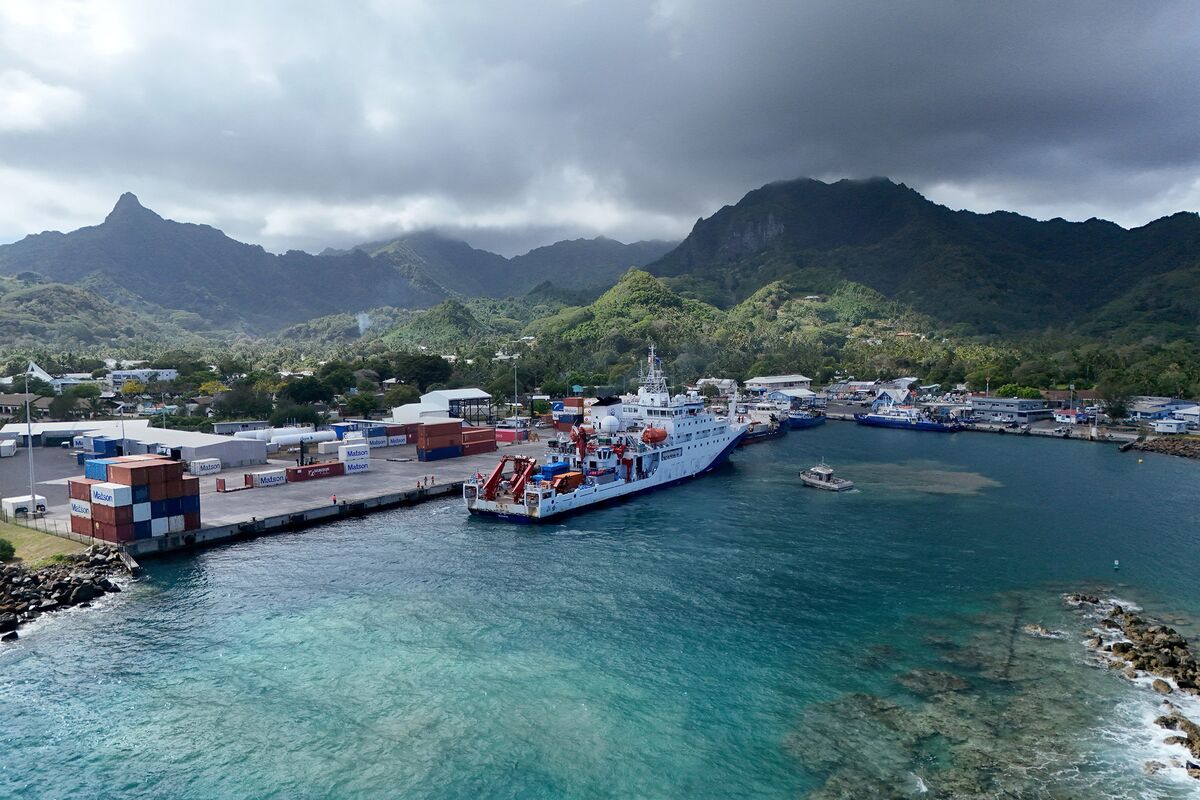
New Zealand signed a defence and security declaration with the Cook Islands in Rarotonga, repairing ties strained after the Cook Islands' strategic agreement with China. The deal, announced during Foreign Minister Winston Peters' visit, also restores New Zealand development funding that had been paused in June of last year.
This deal is primarily a signalling event: it narrows a strategic wedge in the South Pacific that forced regional actors to choose between Beijing and Western partners. The immediate economic impact will be small, but the political insurance value is asymmetric — it lowers the probability of China consolidating exclusive basing, fishing-access or infrastructure control in Cook Islands EEZs, which in turn reduces a tail-risk discount regional assets have carried. Expect a 3–12 month window where capital reallocation and contract flows tilt back toward ANZ-based contractors, fisheries enforcement services, and allied security platforms as procurement discussions restart.
Second-order beneficiaries include NZ-based maritime services, insurers writing fisheries and maritime liability, and regional logistics providers that underprice geopolitical risk today. Conversely, PRC-linked construction and state-owned operators focused on Belt & Road deals in Oceania face lost optionality: projects that depended on uninterrupted political access will need to be repriced for higher counterparty risk, potentially widening funding spreads by 100–300bps for those participants in the near term. Watch supply chain choke points around specialized marine surveillance equipment (AIS, maritime patrol aircraft sensors) — increased demand from small island states could squeeze lead-times and bump margins for prime contractors.
Key risks that could reverse this trajectory are fast-moving: a PRC retaliation campaign targeting tourism, fishing licenses or targeted trade restrictions could manifest inside 30–90 days and undo gains; equally, weak follow-through on funding or capability deployment by NZ would allow China to regain influence over 12–24 months. Catalysts to monitor are (1) formal procurement notices from NZ/partners for maritime surveillance and patrol assets, (2) shifts in fishing-license allocations in the Cook Islands EEZ, and (3) any PRC bilateral counteroffers to neighboring island states — each is a 1–6 month trigger with clear pricing implications for the trades below.
AI-powered research, real-time alerts, and portfolio analytics for institutional investors.
Request DemoOverall Sentiment
mildly positive
Sentiment Score
0.20
