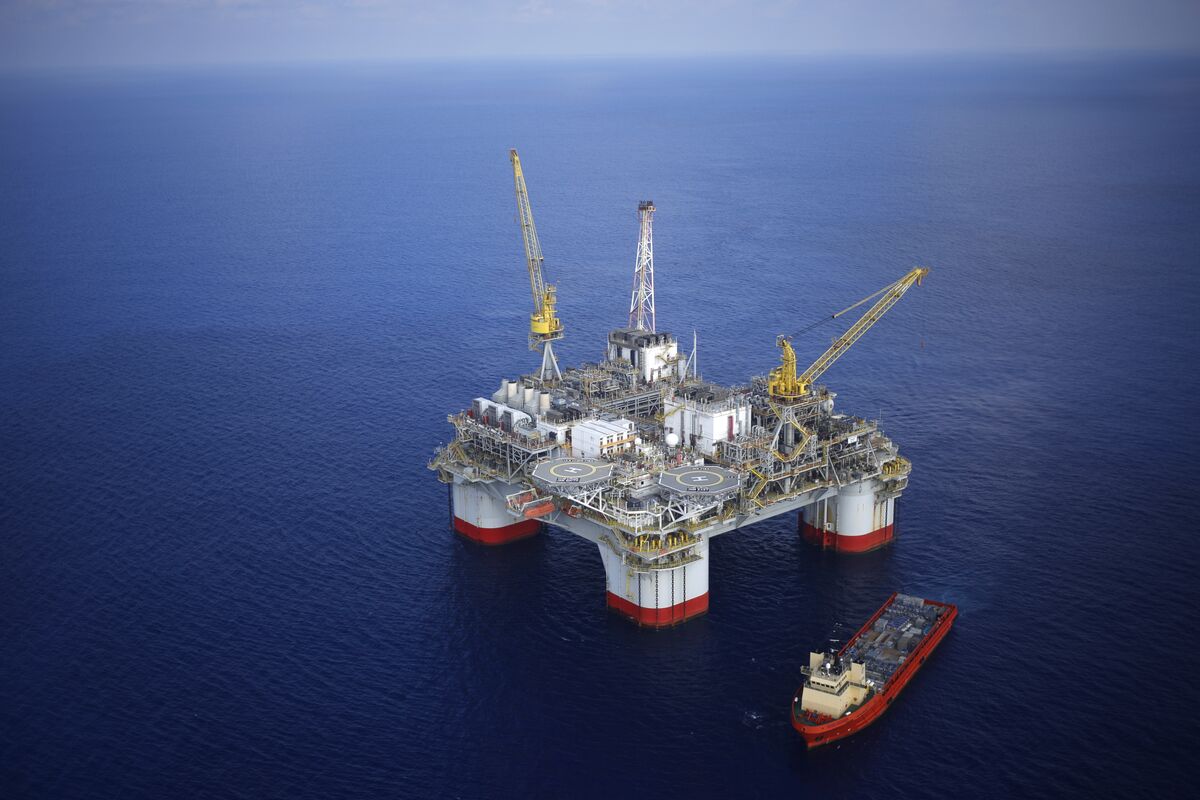
The Endangered Species Committee unanimously exempted Gulf of Mexico oil and gas drilling from Endangered Species Act protections on national security grounds — the committee's first meeting in over 30 years and only the third exemption ever (and the first citing national security). The decision materially reduces near-term regulatory risk for Gulf offshore producers and could support regional activity and pricing, while increasing ESG, reputational and litigation risks that may trigger legal challenges or political backlash.
This decision functionally lowers regulatory tail risk for companies with ready-to-drill Gulf acreage and for the offshore services chain that supplies rigs, subsea equipment, and support vessels. Expect a front-loaded capex reallocation: operators with undeveloped Gulf leases can accelerate sanctioning and tendering timelines, which typically compresses the notice-to-first-production window from ~36–48 months toward the low end of that range for brownfield tiebacks and jack-up work. Service companies capture disproportionately more margin early because incremental activity lifts utilization and dayrates before full-cycle production shows up on P&Ls.
Second-order winners are the midstream and fabrication nodes along the Gulf Coast — shipyards, platform fabricators, and pipeline contractors — which see orderbooks move 6–24 months sooner than upstream cash flows. Conversely, capital that had been rotating into greenfield offshore wind and other coastal renewables may face a multi-year opportunity cost; labor, docks, and specialist welders are finite, so expect bottlenecks and bid inflation for projects that compete for the same physical supply chain. Insurance and offtake counterparties will reprice tails: expect high-single-digit percentage increases in project insurance/LC costs on marginal new awards over 12–24 months, compressing netback to developers.
Tail risks are dominated by litigation and policy reversal: environmental suits can trigger immediate injunctions with 30–90 day operational impacts and litigate for 12–36 months, while a change of administration or Congressional pressure can reintroduce constraints on a 12–36 month horizon. Market impact on crude prices should be muted near-term because the Gulf share of incremental global supply is a mid-single-digit percentage — the larger value transfer is idiosyncratic to asset owners and suppliers, so trade ideas should focus on idiosyncratic exposure and timing rather than commodity beta.
AI-powered research, real-time alerts, and portfolio analytics for institutional investors.
Request DemoOverall Sentiment
neutral
Sentiment Score
0.00
