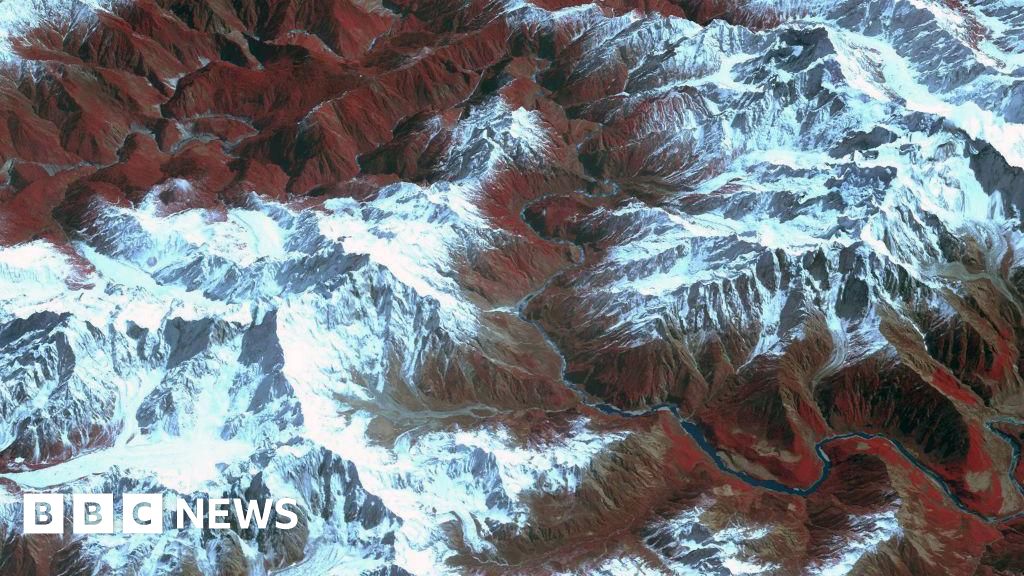
China has initiated construction of the $167 billion Motuo Hydropower Station on the Yarlung Tsangpo river in Tibet, poised to become the world's largest dam and generate triple the energy of the Three Gorges Dam. This mega-project ignites significant geopolitical and economic concerns for downstream nations India and Bangladesh, who fear China's potential control and diversion of the trans-border river, impacting water security and livelihoods. While Beijing cites ecological protection and local prosperity, the dam supports China's 'sending western electricity eastwards' strategy and has prompted India to plan a buffer dam, alongside broader environmental and human rights criticisms.
China's initiation of the 1.2 trillion yuan ($167bn) Motuo Hydropower Station on the Yarlung Tsangpo river marks a significant escalation in regional resource control and introduces substantial geopolitical risk. The project, intended to generate three times the energy of the Three Gorges Dam under the 'sending western electricity eastwards' policy, creates a strategic chokepoint on a trans-border river vital to India and Bangladesh. Downstream nations harbor acute fears, articulated by Indian officials, of China weaponizing water flows, potentially creating droughts or a 'water bomb' scenario that threatens regional economies and livelihoods. These concerns, which have prompted India to plan its own defensive buffer dam, are compounded by severe ESG red flags, including the project's location in a seismically active zone, its impact on biodiversity, and documented human rights abuses against Tibetan protestors. The negative sentiment signal (-0.7) is justified by this combination of geopolitical tension, environmental risk, and social controversy, which overshadows Beijing's stated goals of clean energy and local prosperity.
AI-powered research, real-time alerts, and portfolio analytics for institutional investors.
Overall Sentiment
strongly negative
Sentiment Score
-0.70
