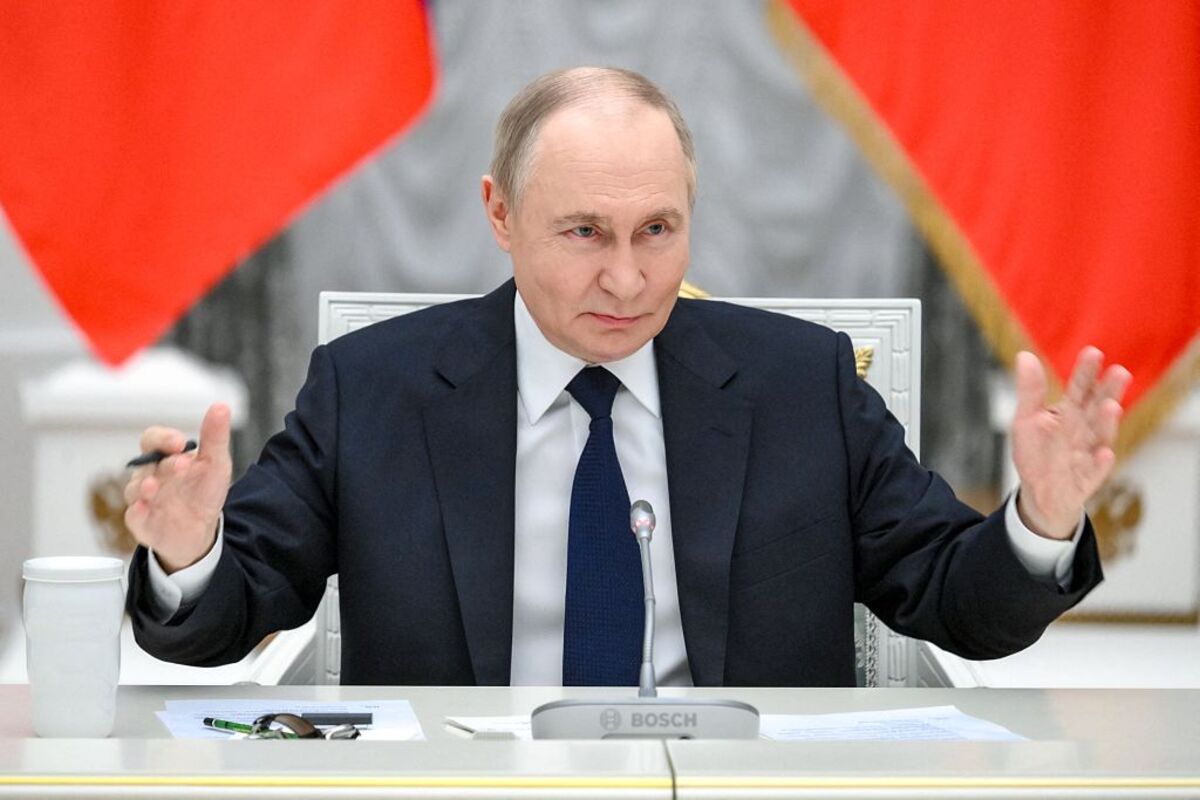
The article argues against the perception of Vladimir Putin as irrational, asserting that the Kremlin's actions are logical and likely to succeed, especially absent a significant shift in U.S. policy. It suggests that while portraying Putin as "crazy" might be a tactic to encourage Donald Trump to reverse course on Russia and Ukraine, skepticism remains regarding the likelihood of such a reversal involving both new sanctions and increased arms support for Ukraine.
The article posits that recent Kremlin escalations are a product of logical strategic calculation, with a high probability of success unless the United States enacts a significant policy shift involving both new sanctions on Russia and a substantial increase in arms flows to Ukraine. The author expresses skepticism regarding the likelihood of such a comprehensive U.S. policy reversal under the Trump administration, despite potential legislative action on sanctions or escalating social media rhetoric. This skepticism challenges the notion that framing Putin as irrational would prompt a U.S. course correction. The moderately negative sentiment (score -0.4) and pessimistic tone, driven by themes of "Geopolitics & War" and "Sanctions & Export Controls," highlight persistent geopolitical risk factors that could influence broader market stability and investor confidence, reflected in a market impact score of 0.45.
AI-powered research, real-time alerts, and portfolio analytics for institutional investors.
Request DemoOverall Sentiment
moderately negative
Sentiment Score
-0.40
