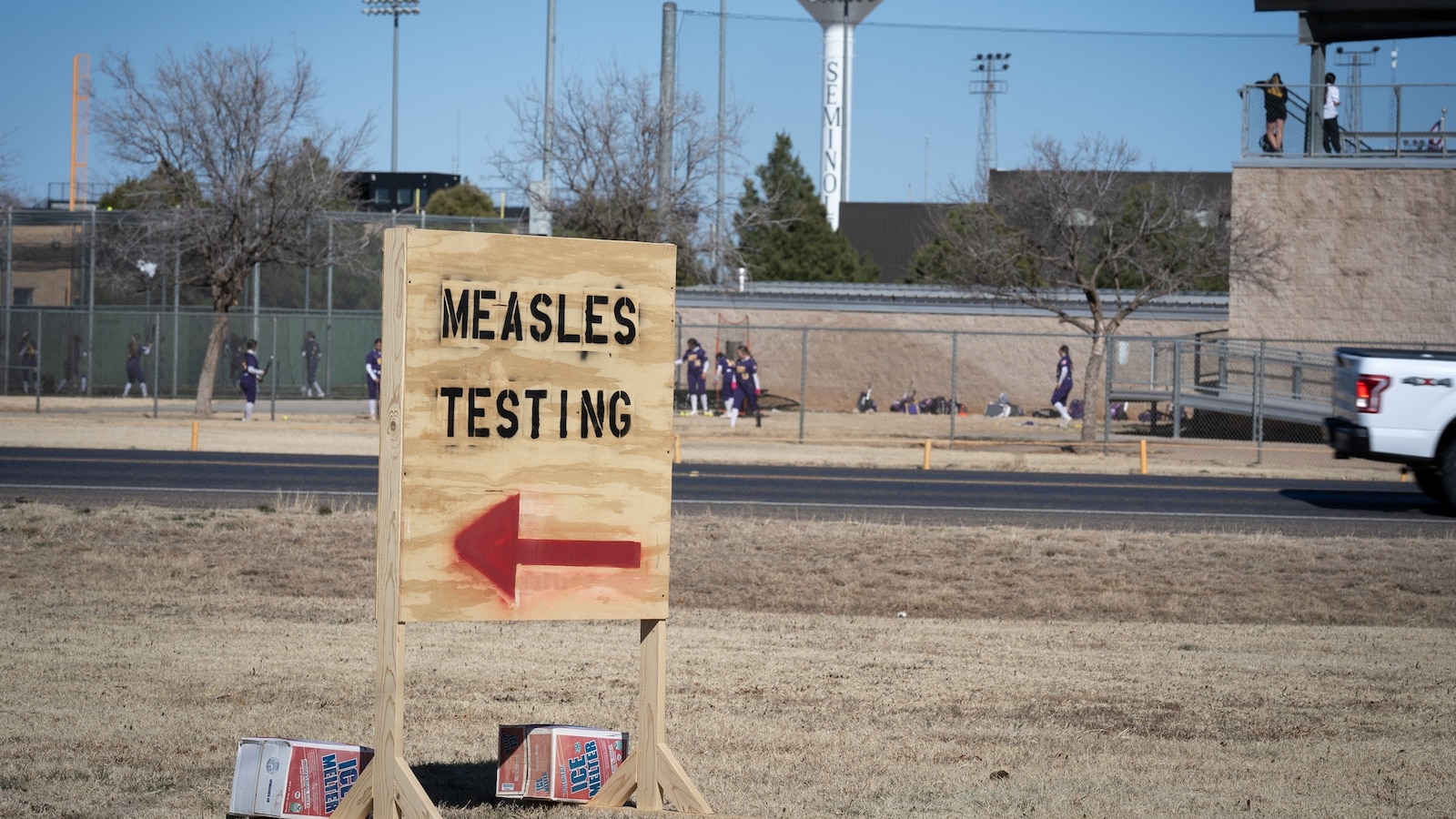
U.S. measles cases have risen to 416 across 14 states with 245 new cases reported in the latest CDC update; roughly 94% of cases are among the unvaccinated or those with unknown vaccination status and about 2% of patients have been hospitalized. A concentrated outbreak in South Carolina accounts for 700 cases with 485 people quarantined and 10 in isolation; kindergarten MMR coverage has slipped to 92.5% in 2024-25 from 95.2% in 2019-20, raising concern among public-health officials that declining vaccination rates will drive more localized surges and strain hospital resources. CDC guidance remains two MMR doses (93% efficacy for one dose, 97% for two), and experts warn the trends increase the likelihood of further outbreaks and local healthcare stress.
Market structure: Outbreaks create concentrated, short-to-medium term demand for routine MMR vaccines, diagnostics, and point-of-care vaccination sites. Primary beneficiaries are large, low-risk vaccine manufacturers (MRK) and diagnostics/testing leaders (LH, DGX), plus retail pharmacies (CVS, WBA) that can capture walk-in catch‑up shots; pricing power is limited because government and insurers negotiate volumes and margins, so expect volume-driven rev bumps of mid-single-digit percent nationally but localized spikes >30% in hotspots.
Risk assessment: Tail risks include a federal public health emergency (days–weeks) that triggers bulk government procurement and price controls, supply bottlenecks from single-supplier vaccine manufacturing (lead times 2–6 months), and state-level mandates that could rapidly accelerate uptake. Hidden dependencies: cold-chain/logistics capacity (UPS/FDX impact) and school reporting cycles (February–September) that act as catalysts; reversal catalysts include rapid catch-up leading to inventory gluts or a coordinated PR campaign reversing vaccine uptake.
trade implications: Tactical positions should overweight large-cap, low-risk names and diagnostics with 3–9 month horizons. Options volatility will rise in affected tickers; use call spreads to capture demand without paying full Vega. Favor municipal bond scouts for incremental issuance in affected counties; broader equity market impact is muted but local hospital operators (HCA) may see short-term admission/revenue pressure.
contrarian view: Consensus expects only headline-driven noise; investors underprice durable catch-up demand for routine pediatric vaccines that can sustain +5–10% incremental volumes for 6–18 months. The market may overreact to short-lived headlines (sell-off) creating opportunities to add through structured option positions; principal risk is an over-ordering that produces a 3–6 month inventory correction.
AI-powered research, real-time alerts, and portfolio analytics for institutional investors.
Request DemoOverall Sentiment
moderately negative
Sentiment Score
-0.35
