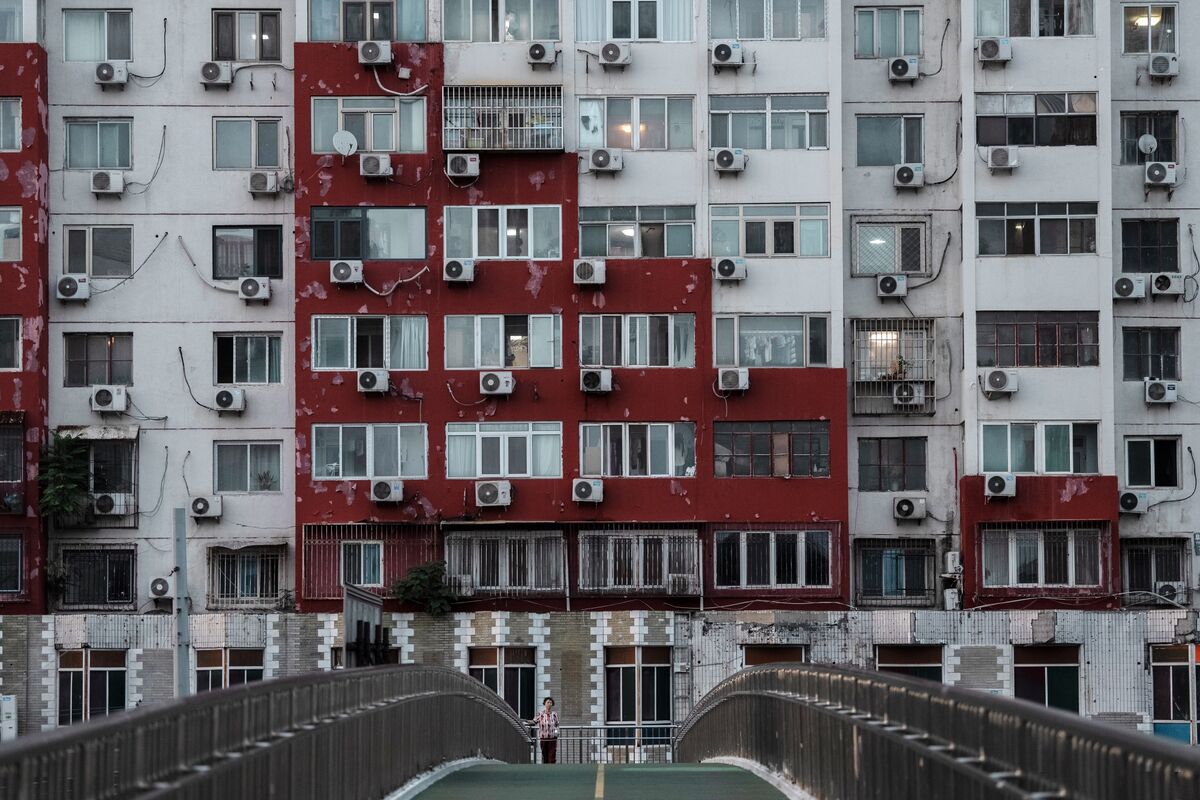
China's government trade-in program, which offers rebates for upgrading to more energy-efficient appliances like air conditioners, is significantly bolstering the nation's summer power supply efforts. Climate think tank Ember estimates these swaps could reduce residential electricity demand by 4.1% this summer, a saving equivalent to Iceland's annual power consumption, thereby mitigating potential peak demand strain during hot weather.
China's government-led trade-in program for appliances is set to materially impact the nation's energy stability, according to a new report from climate think tank Ember. The initiative, offering rebates for households to upgrade to more energy-efficient models, is projected to reduce residential electricity demand by 4.1% this summer. This reduction is significant, representing a saving equivalent to Iceland's entire annual power consumption, and provides a substantial buffer against the grid strain typically caused by peak air-conditioner usage during heatwaves. The program, active since last year and extending through December, functions as both a consumer stimulus and a practical implementation of the country's energy efficiency goals. It demonstrates a proactive, demand-side management strategy to mitigate energy-related risks, directly supporting China's grid stability and climate policy objectives while simultaneously stimulating the consumer retail sector for household goods.
AI-powered research, real-time alerts, and portfolio analytics for institutional investors.
Request DemoOverall Sentiment
strongly positive
Sentiment Score
0.60
