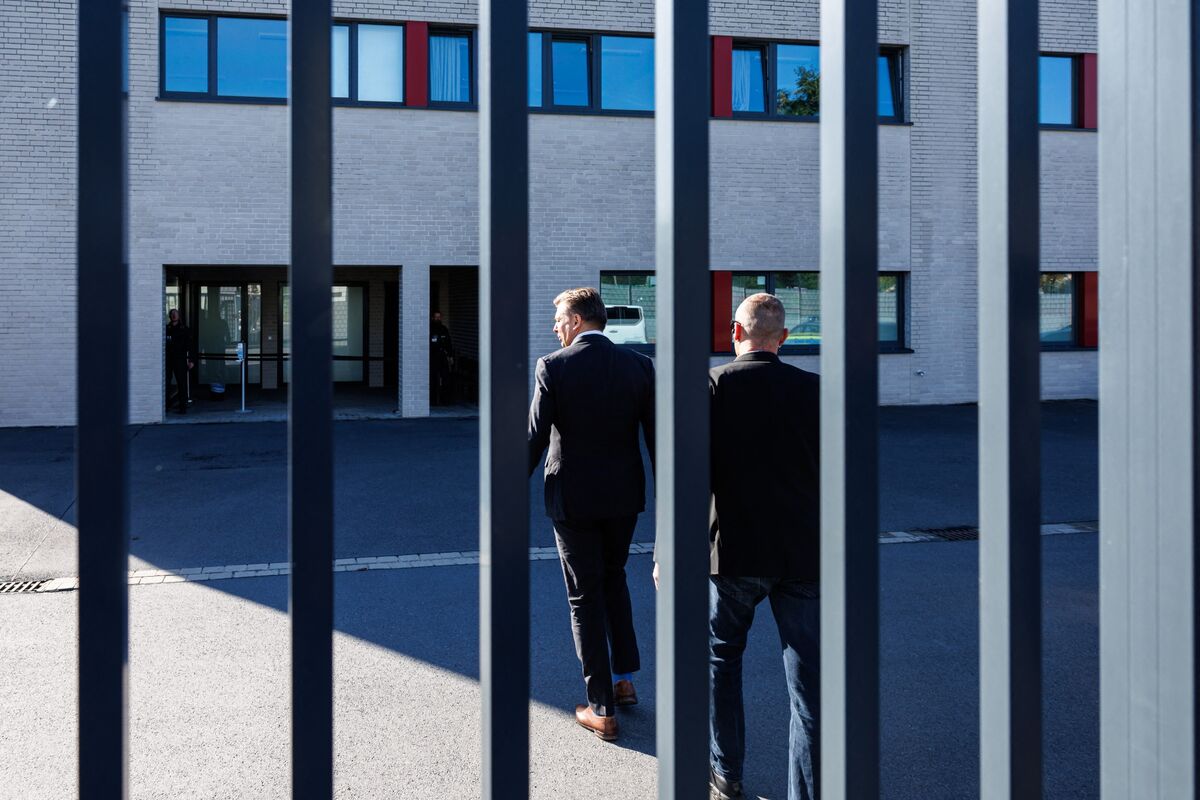
A staffer for German AfD MEP Maximilian Krah, identified as Jian G., has been sentenced to four years and nine months in jail by a Dresden court for spying for China between 2019 and 2024. This conviction highlights escalating geopolitical tensions and intelligence operations targeting European political institutions, potentially impacting EU-China relations and raising concerns about internal political vulnerabilities within the bloc.
A German court has sentenced Jian G., a staffer for Alternative for Germany (AfD) MEP Maximilian Krah, to four years and nine months in prison for espionage on behalf of China. The conviction stems from the illicit transfer of information and confidential documents from the European Parliament to Chinese intelligence services between 2019 and 2024. This event confirms a significant security breach within a core European Union institution, highlighting the tangible threat of foreign intelligence operations targeting European political figures and bodies. While the immediate market impact is negligible, as indicated by a score of 0.1, the incident materially elevates the geopolitical risk landscape. It exacerbates existing tensions between the EU and China, moving beyond trade disputes into the realm of national security, and raises critical questions about political vulnerabilities and vetting processes within European political parties, particularly on the far-right.
AI-powered research, real-time alerts, and portfolio analytics for institutional investors.
Request DemoOverall Sentiment
neutral
Sentiment Score
0.00
