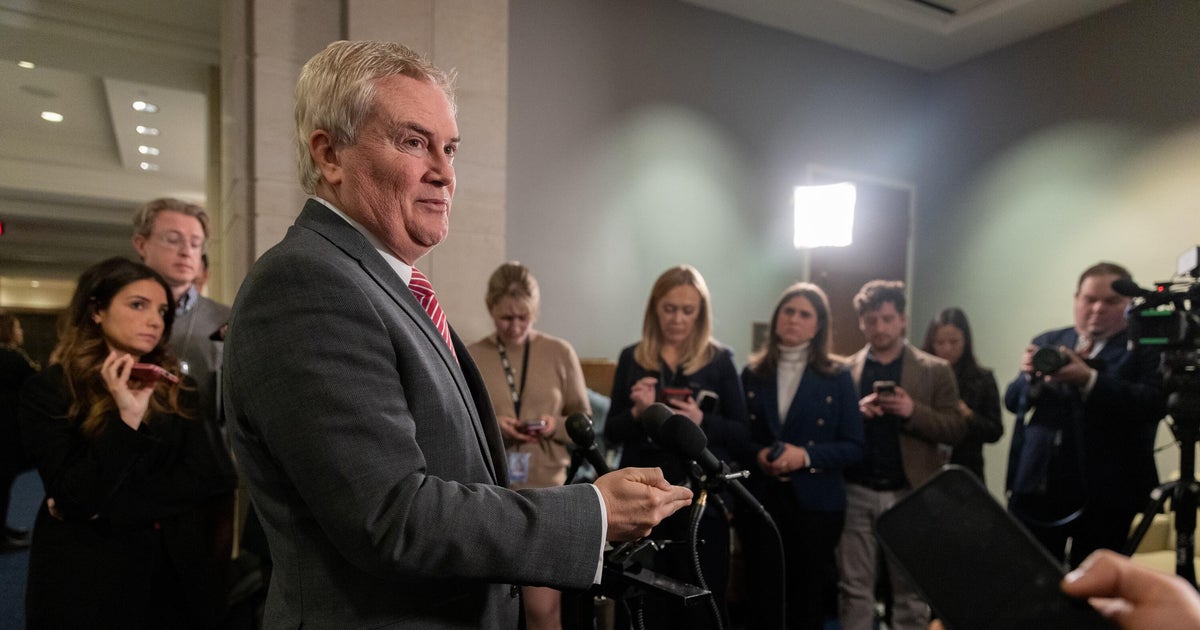
Key event: Rep. Sheila Cherfilus-McCormick faces a House Ethics adjudicatory hearing after a report and federal indictment alleging a July 2021 $5.0M FEMA overpayment was diverted; the Ethics report says Trinity received ~$5.8M in overpayments and investigators say at least $3.6M flowed to her campaign. She is indicted on 15 counts (theft of government funds, money laundering, straw donations, tax fraud), has pleaded not guilty, and faces up to 53 years if convicted. Republicans are pursuing expulsion while House Democrats say they will await the Ethics hearing and criminal trial; this is politically material for her seat but has negligible direct market impact.
This episode is more a governance and enforcement shock than a market-moving credit event; its primary economic consequence will be a sustained uptick in compliance spend by small and midsize government contractors. Expect procurement auditors and counsel budgets to rise meaningfully — a reasonable baseline is a 5–10% uplift in compliance/legal line items over the next 6–12 months for firms with material FEMA or pandemic-related revenue, driven by both voluntary remediation and defensive audits.
Politically, the odds of an immediate membership removal are low absent a conviction (expulsion requires a supermajority), but the near-term administrative outcome (Ethics subcommittee findings, public record of inconsistencies) is a catalytic reputational hit that accelerates fundraising scrutiny. That reduces the marginal value of aggressive “growth through donation” strategies for vulnerable incumbents and increases demand for outside fundraisers and compliance consultants ahead of the 2024–2026 cycle.
For market participants, the actionable channel is sectoral rotation: vendors of anti-money-laundering, donor-tracking, and forensic accounting tools are natural beneficiaries, while small-cap, single-state contractors with concentrated pandemic-era revenues become asymmetric downside candidates if audits trigger clawbacks. A second-order effect is increased underwriting and covenant tightening by lenders to niche government contractors over the next 3–9 months, compressing leverage multiples and potentially forcing balance-sheet repairs.
AI-powered research, real-time alerts, and portfolio analytics for institutional investors.
Request DemoOverall Sentiment
strongly negative
Sentiment Score
-0.75
Ticker Sentiment
