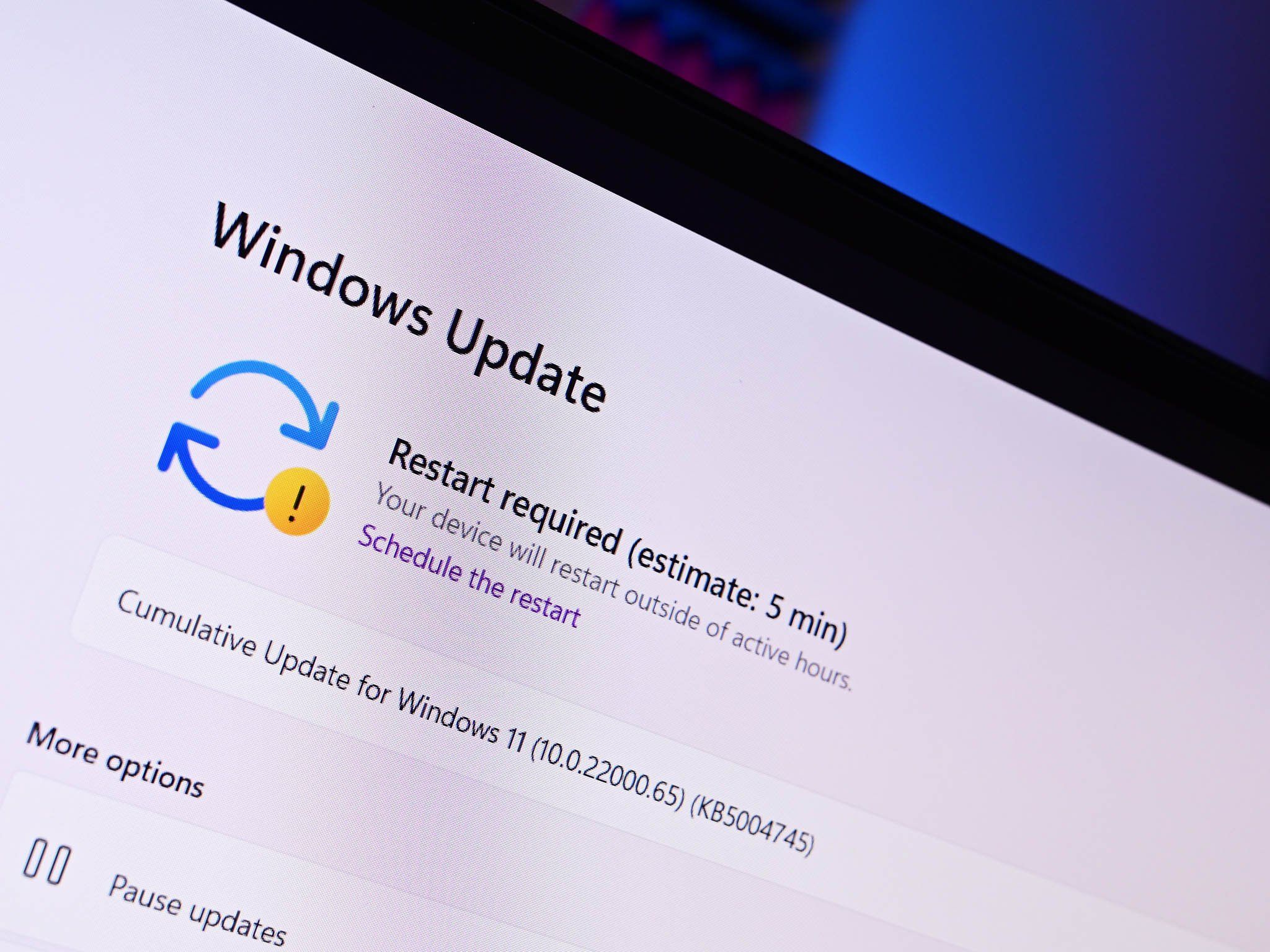
Microsoft pulled Windows 11 non-security preview KB5079391 (released Mar 26, removed Mar 27) after installation failures showing error 0x80073712; Microsoft says removal is temporary and affected PCs remained operational. The optional update included File Explorer fixes, support for up to 1000Hz displays and Windows Hello reliability improvements; immediate disruption is limited but the episode is a modest reputational negative for Windows 11 and could weigh on sentiment toward Microsoft product quality.
A string of quality and reliability hiccups—even if individually limited—has an outsized impact on enterprise procurement behavior; CIOs treat OS stability as a gating item and will typically push major upgrade waves by 1–2 quarters to avoid help-desk churn. If corporate refreshes slip 1–2 quarters, top-line sensitivity for PC OEMs could translate into a near-term revenue swing of ~2–4% for a given quarter (based on historical refresh cadence), while services tied to migrations (consulting, device-as-a-service) would see delayed conversion.
Security and endpoint-management vendors are the natural second-order beneficiaries as firms opt for stricter staging and third-party validation before accepting OS changes; expect managed patching and EDR spend to accelerate, potentially enabling 5–10% outperformance for well-positioned vendors over the next 3–6 months versus broader software names. Conversely, any reputational erosion that influences CIOs’ decisions could compress Microsoft’s upgrade-driven services growth modestly in the short run, but the cloud revenue base remains the dominant anchor.
Catalysts to watch: the next Patch Tuesday (April 14–17 window) is the immediate event where execution or further miscues can materially move sentiment in days; a repeat problem would force longer procurement delays and increase option-implied volatility for MSFT. Tail risks are governance/enterprise-consolidation decisions—large customers could accelerate moves to alternative endpoints or Chromebooks for specific user segments, a multi-quarter structural threat if it gains traction.
The market reaction to these incidents tends to be short-lived given Microsoft’s recurring revenue durability; tactical hedges against event-driven downside are sensible, but the long-term contrarian case favors selectively buying through volatility if fundamentals stay intact. Position sizing should reflect that this is an execution/ops risk, not a demand-cycle blowup absent repeated failures over multiple months.
AI-powered research, real-time alerts, and portfolio analytics for institutional investors.
Request DemoOverall Sentiment
mildly negative
Sentiment Score
-0.30
Ticker Sentiment
