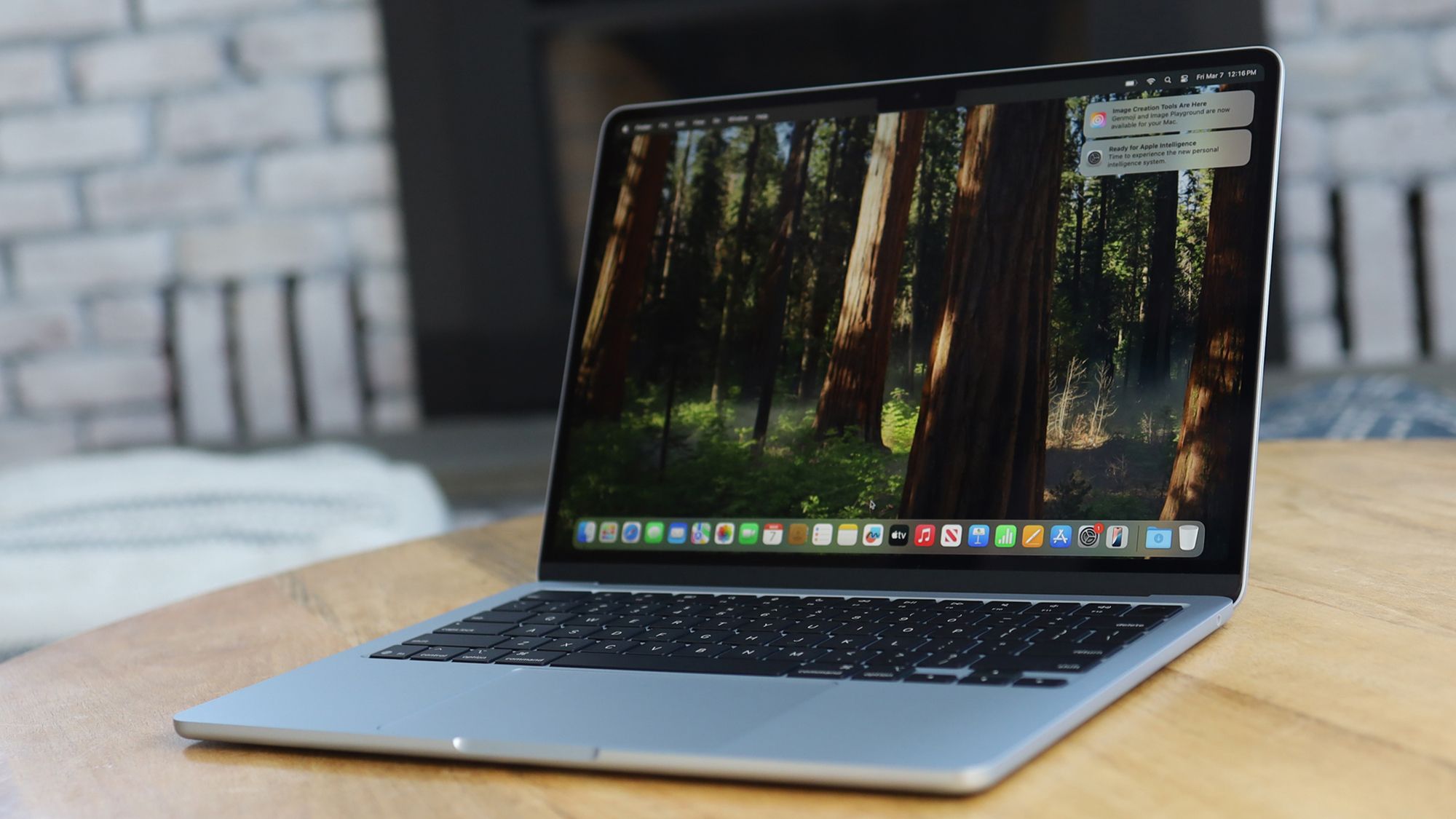
TrendForce expects Apple to launch a lower-cost MacBook in Northern Hemisphere spring 2026 (March–May), targeting the entry-to-mid-range market with a reported 12.9-inch LCD, an iPhone-derived chipset (possibly A18 Pro), multiple color options and a potential US price near $599. If introduced below $600, the device would materially undercut Apple’s current MacBook Air entry price (~$999) and position the company head-to-head with low-end Chromebooks and Windows notebooks, potentially expanding Mac addressable market despite ongoing supply-chain and pricing pressures.
Market structure: A $599 MacBook would shift Apple (AAPL) into the $400–$700 laptop band, directly benefiting Apple via unit volume gains and its foundry/silicon partners (TSMC/TSM) and LCD panel suppliers; losers include Chromebook-heavy sellers and low-end Windows OEMs (HPQ, DELL) with likely share loss of 2–5% in the entry segment within 12–18 months. Pricing power: Apple will trade ASP for share—expect gross-margin dilution pressure of 100–250 bps if the product composes >10% of Mac units, but brand premium and services attach rates could recoup 30–60% of that over 2–3 years.
Risk assessment: Tail risks include a supply shock at TSMC or display fabs (3–6% chance) that delays launch, and regulatory/antitrust scrutiny if Apple bundles services with low-cost hardware (5–10% over 12–24 months). Immediate (days) impact: rumor-driven option vol spikes; short-term (weeks–months): supplier orderbooks and inventory; long-term (quarters–years): structural demand migration to macOS at entry-level.
Trade implications: Tactical trades: small directional AAPL exposure to capture share gains and positive sentiment ahead of spring 2026; hedge with short exposure to HPQ/DELL. Options: buy a calendar/vertical call spread sized to 1–2% portfolio into Apr–Jun 2026 to capture upside while limiting premium. Rotate 1–3% portfolio from low-end OEMs into semiconductors (TSM) and panel suppliers if supplier guidance confirms volume.
Contrarian angles: Consensus underestimates cannibalization of the M4 Air and margin dilution; history (iPhone SE) shows volume can lift ecosystem revenue but depress ASPs for several quarters. Watch for channel inventory build (>6 weeks sell-through) which would flip tailwinds to downside and warrant reducing long AAPL exposure quickly.
AI-powered research, real-time alerts, and portfolio analytics for institutional investors.
Request DemoOverall Sentiment
mildly positive
Sentiment Score
0.25
Ticker Sentiment
