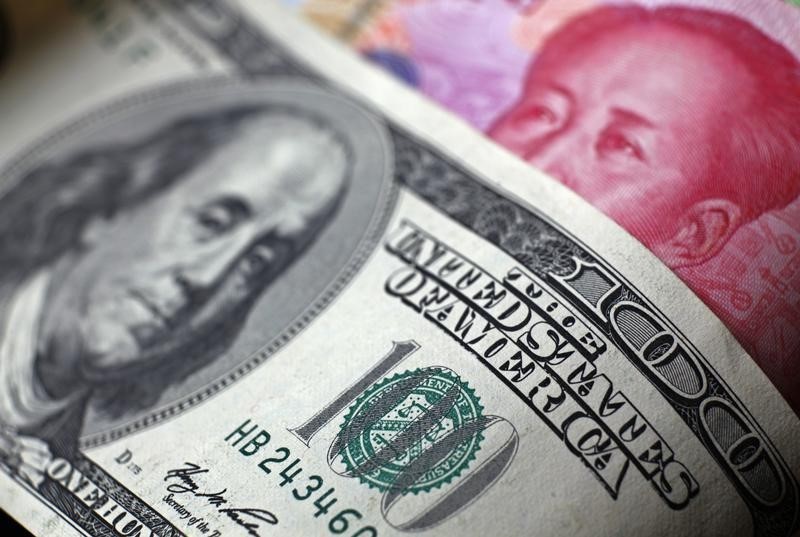
Asian markets exhibited mixed performance, influenced by tempered U.S.-China trade tensions and regional economic data. China's Q3 GDP grew 4.8%, slightly above forecasts, but revealed an increasing reliance on exports and weakness in domestic investment, prompting analyst calls for further stimulus. Meanwhile, the Japanese yen depreciated due to renewed expectations of Sanae Takaichi becoming Prime Minister, given her perceived fiscal dovishness and potential opposition to Bank of Japan rate hikes, while other regional currencies like the Australian dollar gained on improved trade sentiment.
China's Q3 GDP grew 4.8% year-on-year, marginally exceeding forecasts but decelerating from Q2's 5.2% and marking its weakest print since Q3 2024. This growth was primarily export-driven, with industrial production and retail sales strong in September, yet fixed asset investment contracted, highlighting an unsustainable dependence on exports.
Despite the Q3 slowdown, China's year-to-date GDP remains above Beijing's 5% annual target, with ANZ analysts projecting the 2025 target will likely be met. Capital Economics suggests further stimulus is necessary to sustain growth, particularly given potential U.S. trade tariff headwinds, despite President Trump's recently tempered stance.
The Japanese yen weakened, with USD/JPY rising 0.1%, due to renewed expectations of Sanae Takaichi becoming the next Prime Minister. Takaichi is perceived as a fiscal dove, signaling increased government spending and accommodative financial conditions, which could lead to opposition against Bank of Japan interest rate hikes.
Other regional currencies, including the Australian dollar (+0.1%), South Korean won (-0.1%), and Taiwan dollar (-0.1%), strengthened. This was largely attributed to tempered U.S.-China trade tensions and a general optimistic tone in Asian markets, though the Indian rupee faced caution due to U.S. tariff threats.
AI-powered research, real-time alerts, and portfolio analytics for institutional investors.
Overall Sentiment
moderately positive
Sentiment Score
0.40
Ticker Sentiment
