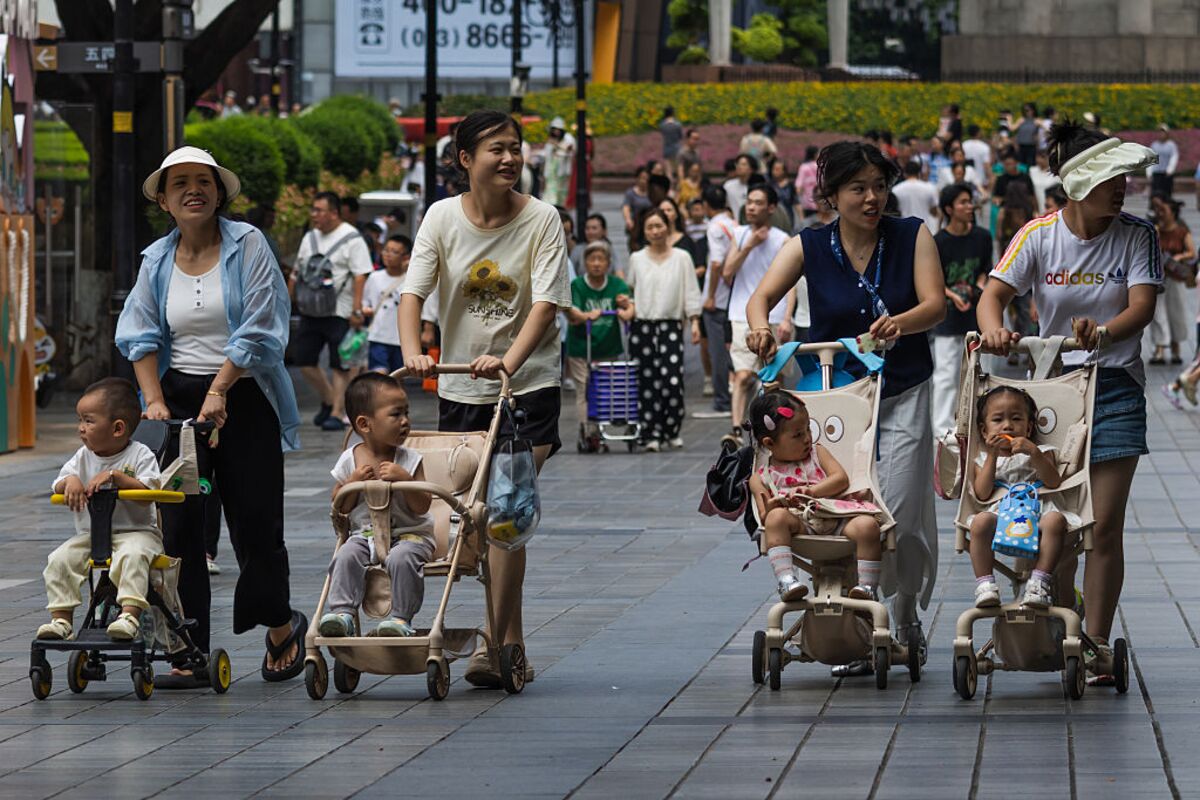
China has launched a nationwide childcare subsidy program, providing 3,600 yuan ($502) annually per child under age three, as a direct measure to combat its declining birth rates. This policy aims to alleviate financial burdens for young couples and represents a significant government intervention to address demographic challenges, potentially influencing long-term consumer spending patterns and labor force dynamics in the world's second-largest economy.
The Chinese government has implemented a nationwide fiscal policy to provide an annual childcare subsidy of 3,600 yuan ($502) per child under the age of three. This measure is a direct response to the country's declining birth rate and aims to alleviate the financial pressures of child-rearing for young families. While the initiative represents a clear government focus on addressing long-term demographic challenges, the subsidy amount is modest when compared to the high cost of raising a child in urban China. The market's "mildly positive" sentiment and low impact score suggest that while the policy is seen as a step in the right direction, it is not perceived as a transformative measure on its own. The key takeaway is the strategic signal of increased state intervention in social and economic planning, which could foreshadow more significant pro-natalist policies in the future. This initiative is best viewed as an incremental step in a longer-term strategy rather than a catalyst for immediate, large-scale economic change.
AI-powered research, real-time alerts, and portfolio analytics for institutional investors.
Request DemoOverall Sentiment
mildly positive
Sentiment Score
0.30
